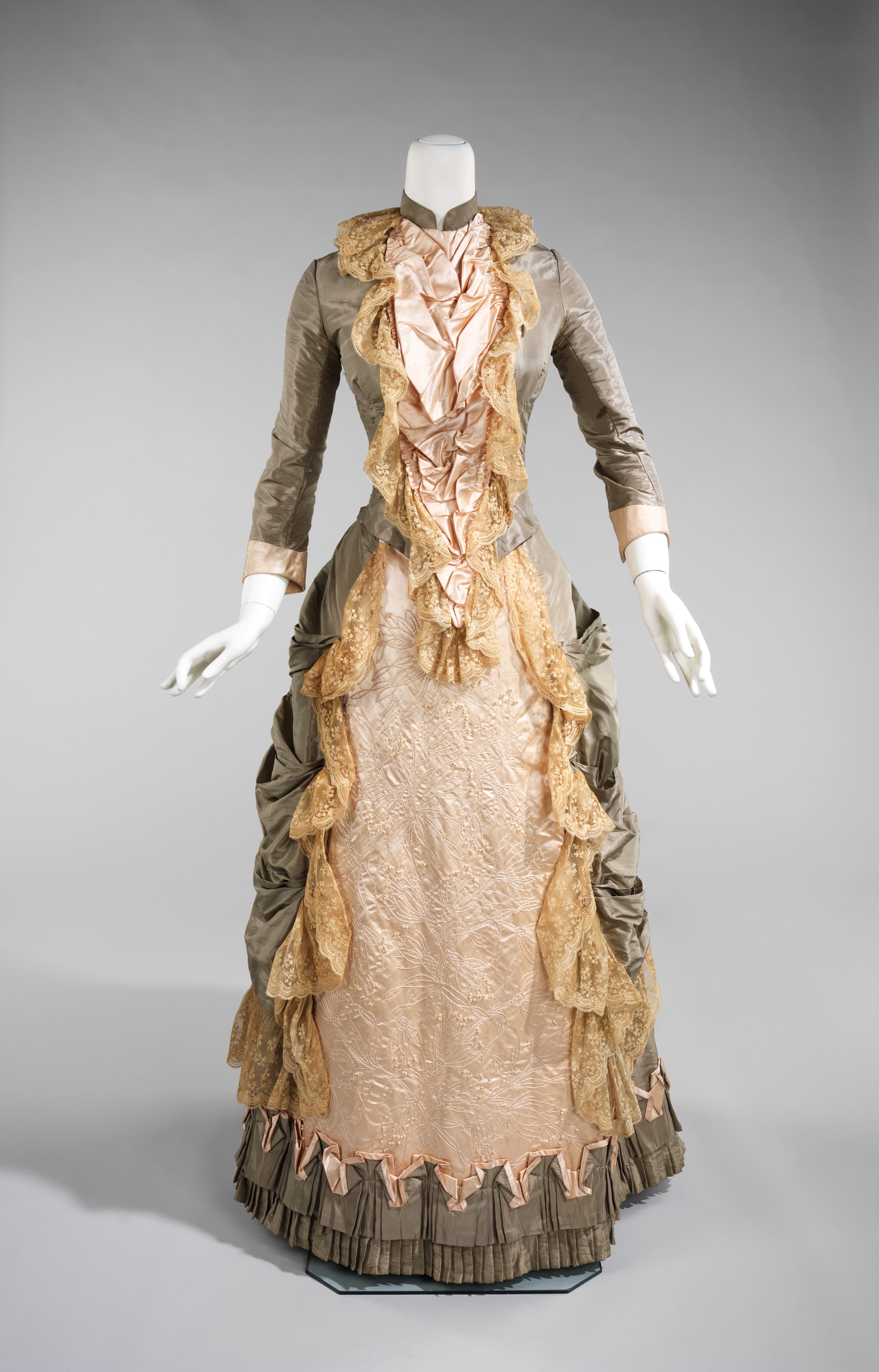
The Semiotics of Silk: An Aesthetic Archaeology of the American Dress and its 2026 Silhouette Manifestations
Within the hallowed archives of Natalie Fashion Atelier, the study of the American dress—particularly in its silk iterations—represents more than a nostalgic glance at a bygone era. It is an act of aesthetic archaeology, a meticulous excavation of the cultural and technical strata that define classical elegance. The American silk dress, often perceived as the pragmatic cousin to French Haute Couture, possesses a distinct lexicon of restraint, movement, and democratic luxury. As we project toward the 2026 collections, this heritage garment emerges not as a relic, but as a foundational blueprint for a new architectural softness. This research artifact deconstructs the classical elegance of the American silk dress to reveal how its inherent materiality and structural philosophy inform the high-end silhouettes of the near future.
Deconstructing Classical Elegance: The American Vernacular
The term "classical elegance" in the American context diverges sharply from European interpretations. While Parisian couture historically celebrated opulent ornamentation and rigid corsetry, the American aesthetic—crystallized in the mid-20th century—championed a fluid pragmatism. This was not an absence of form, but a redefinition of it. The dress became a study in negative space and kinetic potential, where the fabric was the primary architect. The elegance derived from what the garment did not do: it did not constrict, it did not shout, and it did not obscure the wearer’s natural carriage. Instead, it facilitated a new kind of modern femininity—one that was poised, efficient, and intrinsically sensual through its subtlety.
The Materiality of Memory: Silk as a Living Archive
Central to this archaeological dig is the materiality of silk. In the American heritage context, silk was not merely a luxury import; it was a medium of expression for a nation defining its own visual identity. The specific weight, drape, and tensile strength of the silk used in these archival pieces—often a heavier crepe de chine or a lustrous satin faille—were selected for their ability to hold a gentle architectural line while yielding to the body’s motion. This is the paradox of silk: it is simultaneously the most delicate and one of the most resilient of natural fibers. The archaeological evidence in our atelier’s collection shows seams that have held for decades, not through rigid interfacing, but through the inherent integrity of the fiber and the precision of the bias cut. The silk’s surface, now imbued with the patina of time, reflects light differently than its virgin state, teaching us that elegance is a process of becoming, not a static state.
From Archive to Atelier: Translating Heritage for 2026
The translation of this heritage into 2026 high-end silhouettes requires a departure from literal replication. We are not resurrecting the shirtwaist dress or the full-circle skirt. Instead, we are extracting the genetic code of these garments—their principles of construction and their relationship with the human form—to engineer silhouettes that respond to contemporary existential and environmental needs. The 2026 silhouette, as envisioned by Natalie Fashion Atelier, is defined by a concept we term "Fluid Architecture." This is the antithesis of the sharp, padded shoulders of the 1980s or the minimalist tube dresses of the 1990s. Fluid Architecture leverages the silk’s memory to create shapes that are pre-determined yet perpetually in flux.
Silhouette One: The Asymmetric Drape of Autonomy
Drawing from the archival American evening dress, the 2026 silhouette will feature an extreme asymmetric drape. The technical innovation lies in the differential weighting of the silk. By integrating micro-weights into the hemline—invisible to the eye but palpable in movement—we create a garment that falls with a deliberate, gravitational grace. This silhouette deconstructs the classical symmetry of the American dress, replacing it with a dynamic imbalance that speaks to the multifaceted roles of the modern woman. The high-end finish is not in the embroidery, but in the purity of the seam, which is now a structural element, a line of tension that guides the silk’s flow. This is elegance redefined as autonomy; the dress does not dictate posture, it responds to the wearer’s will.
Silhouette Two: The Sculptural Cowl and the Second Skin
Another key extraction from the archive is the cowl neckline, a staple of American 1930s bias-cut dressing. In 2026, this is re-engineered into a full-body sculptural proposition. We are developing a technique of draped compression, where panels of silk are manipulated to create a ribbed, sculptural effect that clings to the torso without a single dart or seam at the waist. This is achieved through a complex pattern-cutting methodology that uses the silk’s bias stretch to create a "second skin" that is both compressive and breathable. The silhouette is a study in contrasts: the strict, vertical lines of the compressed silk against the soft, voluminous expansion of the skirt or train. This informs a high-end aesthetic that prioritizes sensorial comfort as the ultimate luxury, moving beyond the visual to the tactile experience of the garment as an extension of the self.
The Future of Luxury: Ethical Materiality and Timeless Design
The 2026 collection, informed by this isolated aesthetic archaeology, also repositions the value proposition of silk. In an era of hyper-consumption, the heritage American dress teaches us about longevity and utility. The high-end consumer of 2026 is not seeking seasonal novelty but rather a permanent collection of meaningful objects. By focusing on the intrinsic quality of the silk—its provenance, its weft, its ability to age beautifully—we align with a philosophy of slow fashion that is inherently Parisian in its respect for the métier, yet American in its functional clarity.
The classical elegance of the American silk dress is not a static monument. It is a living language, and our role as curators and creators is to speak it fluently in the dialect of tomorrow. The 2026 silhouettes are thus not a departure from heritage but a deepening of it. They represent a synthesis of archaeological knowledge and avant-garde technique, where the soul of the past is housed in the body of the future. The result is a garment that is not merely worn, but inhabited—a true testament to the enduring power of silk and the timeless intelligence of the American design ethos.