The Gilded Frame: Deconstructing Sacred Geometry for the 2026 Silhouette
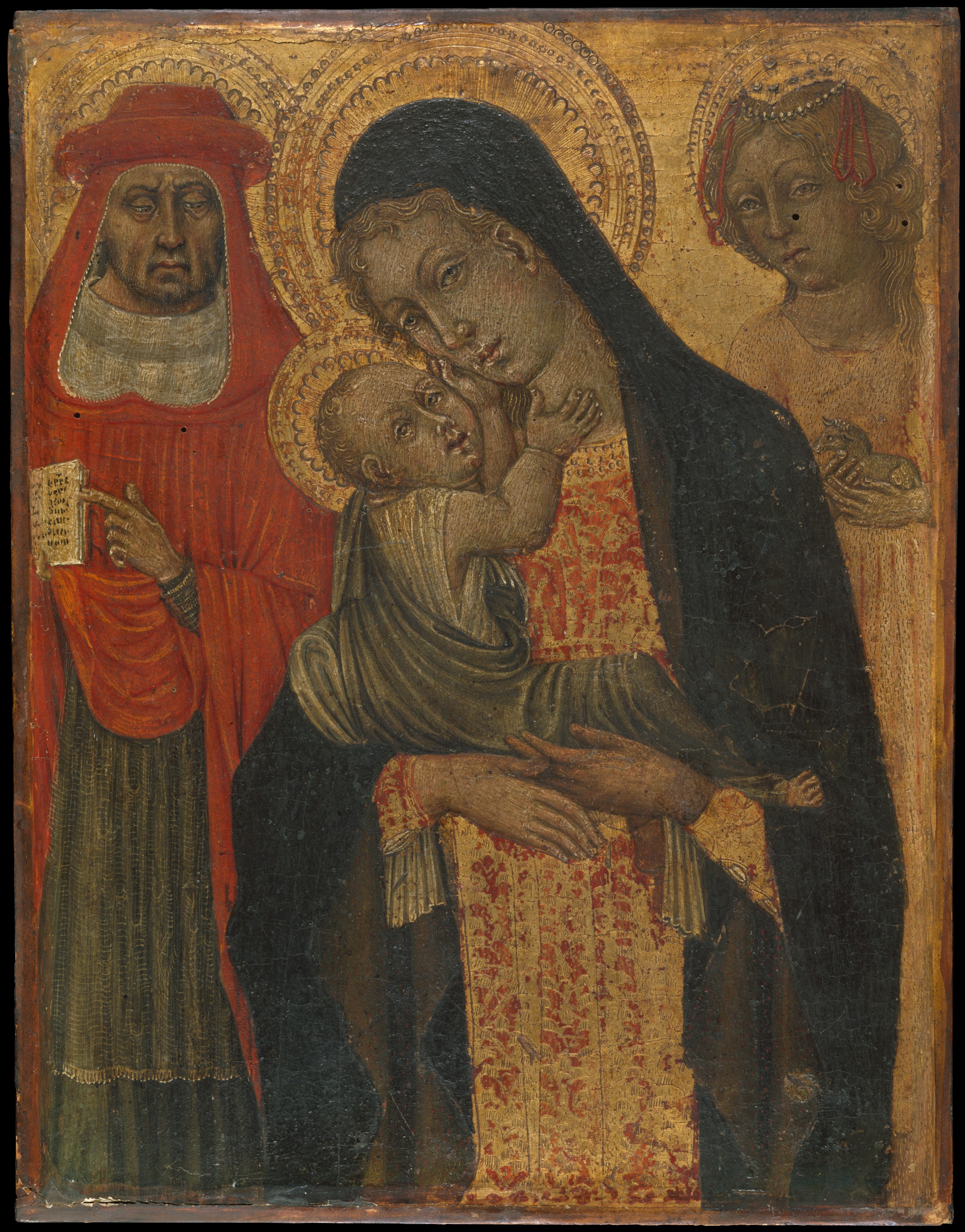
The transition from the sacred altarpiece to the contemporary runway is not a leap, but a deliberate, measured step. At Natalie Fashion Atelier, our aesthetic archaeology of the *Madonna and Child with Saints Jerome and Agnes*—a quintessential example of early Renaissance tempera on wood with its luminous gold ground—reveals a blueprint for a new form of classical elegance. This is not a literal transcription of religious iconography, but a deep extraction of its underlying structural and chromatic principles. The 2026 high-end silhouette, as informed by this heritage masterpiece, is defined by a paradox: a rigorous, architectural frame softened by a transcendent, almost ethereal luminosity. We are designing for the modern woman not as a muse, but as a living, breathing icon of her own making, clothed in the quiet authority of centuries.
I. The Architectural Tempera: Structure as Sacred Ground
The technical exigencies of tempera on wood demand a discipline that is inherently architectural. Unlike the forgiving fluidity of oil, egg tempera is applied in a series of fine, cross-hatched strokes, building form through a mosaic of precision. This methodology translates directly into our 2026 construction techniques. The silhouette is not draped; it is constructed. We have abandoned the purely fluid bias-cut in favor of a new structuralism, one that borrows from the panel’s rigid geometry. The primary form is a columnar, elongated line—a direct homage to the verticality of the saintly figures. This is achieved through a series of internal, invisible seams that act as the panel’s wood grain, providing tension and support. The shoulder line, a critical point of architectural expression, is sharpened into a defined, almost cantilevered point, reminiscent of the gothic arches that frame the original work. This is not a soft, rounded shoulder; it is a deliberate, engineered projection that creates a powerful, statuesque presence. The waist is not cinched but *implied* through the use of a structured, internal corset that allows the outer fabric to fall in a clean, uninterrupted plane, much like the Virgin’s robes, which conceal yet define the body beneath. The result is a silhouette of immense poise—a garment that stands as a monument to the wearer, rather than clinging to her.
II. The Gold Ground: Chromatic Luminosity and Surface Value
The most arresting feature of the altarpiece is, undoubtedly, its gold ground. This is not a mere background; it is a metaphysical space, a plane of divine light that elevates the figures from the terrestrial. For the 2026 collection, we have re-engineered this concept through surface value and material alchemy. The literal gold leaf is translated into a new lexicon of fabrics. We are utilizing a micro-lamé, woven with a metallic thread so fine it behaves like a liquid, offering a subtle, shifting shimmer rather than a flat, ostentatious shine. This is complemented by a revolutionary treatment of silk gazar, where a metallic pigment is baked into the fiber, creating a surface that catches light in a way that mimics the uneven, hand-applied texture of the original gesso and gold. The color palette for the collection is not a literal reproduction of the painting’s hues, but a study in their relative values. The deep, resonant blues of the Virgin’s mantle are reinterpreted as an inky, midnight indigo, almost black in shadow but revealing a profound sapphire undertone in light. The crimson of Saint Jerome’s robes is translated into a desaturated, terracotta-infused red, a color of earth and intellect rather than pure passion. The flesh tones, so delicately rendered by the master, are echoed in a new range of nudes—not beige, but complex, warm, and alive with undertones of peach, rose, and ochre. The gold ground, therefore, is not a color but a light source, and our entire collection is designed around how these fabrics absorb, reflect, and refract that light.
III. The Iconography of the Fold: Draping as Narrative
In the *Madonna and Child*, the drapery is not merely decorative; it is a narrative device. The folds of the Virgin’s robe are heavy with meaning, suggesting both her earthly weight and her spiritual grace. Our draping technique for 2026 is an exercise in controlled volume. We have moved away from the casual, unstructured drape of recent seasons. Instead, we employ a method we call *"sculptural fall."* The fabric is first manipulated on the mannequin to create a specific, engineered fold—one that is sharp, angular, and almost crystalline in its definition. This fold is then stabilized with a series of hand-stitched, invisible tacks, ensuring the garment holds its architectural form throughout the day. The effect is a garment that appears to have been carved from a single block of material, with the folds acting as the chisel marks. This is particularly evident in our evening wear, where a full-length gown in a heavy duchesse satin is manipulated to create a single, dramatic fold that sweeps from the shoulder to the hem, echoing the powerful vertical line of Saint Agnes’s martyrdom palm. This is not about revealing the body; it is about creating a powerful, symbolic presence. The drapery tells a story of strength, of grace under pressure, of a figure who is both grounded and transcendent.
IV. The Gilt Edge: Ornamentation and the Modern Relic
Finally, we must address the question of ornamentation. The gold ground of the altarpiece is also punctuated by the delicate, punched halos of the saints. This is not excessive decoration; it is a precise, symbolic marker of divinity. In our 2026 collection, ornamentation is used with the same restraint and intention. We have developed a signature technique of "gilt piping"—a hairline trim of metallic thread that traces the architectural seams of the garment, acting as a modern-day halo. This is not a glittering border; it is a subtle, defining line of light that emphasizes the garment’s structure. Further ornamentation is introduced through a collaboration with a master metalworker, who creates small, sculptural clasps and closures. These are not functional buttons but functional relics, cast in bronze and finished with a matte, antiqued gold. They are placed at strategic points—the nape of the neck, the wrist, the small of the back—serving as quiet, powerful talismans. The overall effect is one of extreme refinement. The 2026 Natalie Fashion Atelier woman is not adorned; she is *invested*. She wears a garment that carries the weight of history, the precision of architecture, and the luminosity of a sacred space, all distilled into a silhouette of profound, modern elegance. It is a garment for the woman who understands that true luxury is not about volume, but about value—the value of time, of craft, and of a beauty that is, quite literally, eternal.