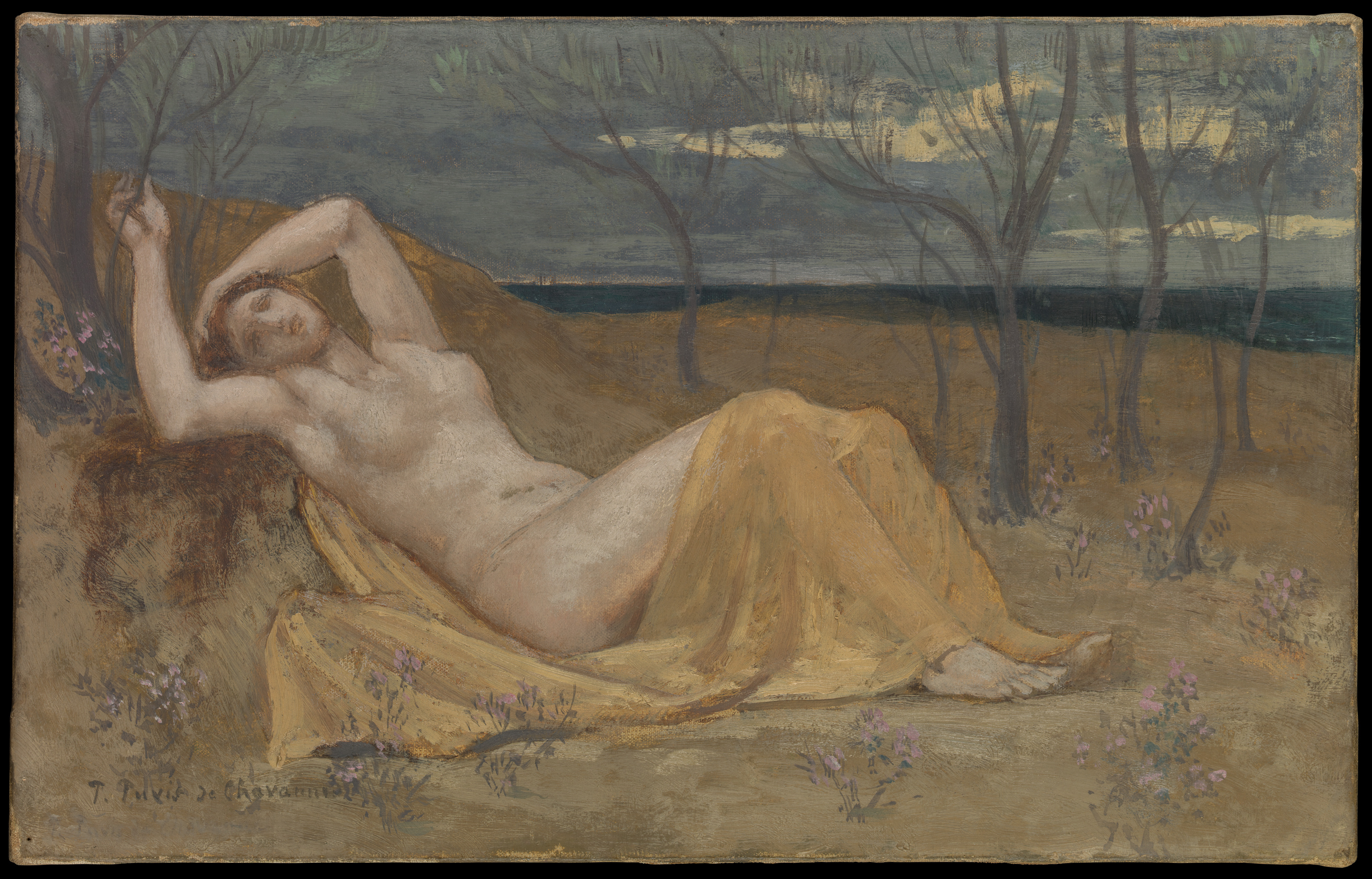
Tamaris: An Aesthetic Archaeology of Oil on Canvas and Its Translation into 2026 Haute Couture Silhouettes
Within the hallowed archives of Natalie Fashion Atelier, the designation “Tamaris” represents more than a mere reference point; it is an isolated stratum of aesthetic archaeology, a singular artifact unearthed from the continuum of global heritage. The subject, rendered in oil on canvas, presents a unique challenge and opportunity for the contemporary couturier. To deconstruct its classical elegance is to engage in a dialogue with a master painter’s understanding of light, volume, and the human form. This research artifact posits that the materiality of oil on canvas—its tactile impasto, its luminous glazes, its inherent tension between permanence and fluidity—serves as a profound blueprint for the architectural and sculptural silhouettes defining the 2026 luxury season.
Deconstructing the Classical: The Canvas as a Structural Metaphor
The classical elegance of the Tamaris artifact is not found in ornamentation, but in the rigorous structural logic of its composition. The painter’s canvas, stretched taut over a wooden frame, is the primal source of tension and support. For the 2026 silhouette, this translates into a renewed focus on internal architectural boning and tensile fabrics. We are moving away from the soft, draped minimalism of previous seasons toward a deliberate, engineered construction. The gown’s silhouette must mimic the canvas’s planar integrity—a bodice that stands as a sculptural plane, a skirt that falls with the calculated weight of a painted fold. The aesthetic archaeology of Tamaris reveals that true elegance lies in the invisible support system, the unseen frame that dictates the outer form. Therefore, our atelier will employ corsetry not as a restrictive undergarment, but as an externalized structural element, visible through strategic cutouts or rendered in contrasting materials, echoing the raw, unprimed edges of a historical canvas.
The Impasto Effect: Sculpting Volume and Texture
Central to the materiality of oil on canvas is the impasto technique—the thick, almost sculptural application of pigment that creates a three-dimensional relief on the two-dimensional surface. This is the most direct translation from the Tamaris artifact to the 2026 couture form. The silhouette must no longer be flat or purely graphic; it must possess a palpable, tactile topography. This is achieved through the strategic layering of fabric, not as simple draping, but as a deliberate accumulation of material. We envision gowns where sculptural rosettes of organza and duchesse satin are built up around the shoulders or hips, not as floral appliqués, but as abstract, painterly masses that catch light and cast shadows, mimicking the ridges and valleys of the oil paint.
This impasto approach extends to the treatment of fabric surfaces. The 2026 palette will favor high-viscosity textures: heavy faille, lacquered silks, and bonded wools that possess a material density capable of holding a defined shape. The color application follows the painter’s logic—not flat dyeing, but a tonal modulation achieved through airbrushing and hand-painting gradients directly onto the garment. This technique, known within the atelier as peinture sur étoffe, allows for a chiaroscuro effect on the body, where the silhouette appears to emerge from shadow, just as the figure in Tamaris emerges from the dark, varnished background of the canvas.
Luminosity and Glaze: The Architecture of Light in Fabric
The classical elegance of oil painting is inextricably linked to its luminosity—the way light penetrates the upper glazes and reflects off the lower opaque layers, creating an inner glow. For the 2026 haute couture silhouette, this principle informs a new approach to translucency and layering. The modern gown will be constructed with a deliberate stratification of materials: an opaque, foundational base layer (the ground), followed by multiple translucent overlays (the glazes) of silk tulle, micro-net, or fine organza. The interplay between these layers creates a complex optical effect, where the skin and the under-fabric are not merely covered, but are part of a chromatic composition.
From Varnish to Veneer: Finishing as a Couture Discipline
Just as a master’s varnish unifies the disparate elements of a painting, the finishing of a 2026 couture garment must be treated as a primary architectural discipline. The final silhouette is defined by its surface treatment. This is where the heritage of craftsmanship becomes paramount. We look to the technique of vernis sage—a subtle, matte finish that imparts a soft, aged luminosity to the fabric, reducing glare and enhancing depth. This is contrasted with selective high-gloss lacquering on specific structural elements, such as a sculptural peplum or a defined shoulder line. This duality of finish—matte and gloss—creates a visual tension that is both modern and deeply historical, echoing the contrast between the matte absorbency of the canvas and the shiny, reflective quality of the oil medium itself.
Global Heritage, Parisian Syntax: Synthesis for 2026
The Tamaris artifact, while rooted in a specific European painting tradition, speaks to a broader global heritage of material mastery and formal restraint. The aesthetic archaeology of this piece allows us to extract universal principles of balance, proportion, and tension, and to re-synthesize them through a distinctly Parisian lens of refined minimalism and technical perfection. The 2026 silhouette is not a costume or a historical pastiche; it is a modern abstraction of classical ideals. The gowns will feature clean, elongated lines that reference the Grecian drapery often found in classical paintings, but they will be constructed with the tensile strength of modern technical fabrics and the precise engineering of contemporary pattern-making.
Ultimately, the Tamaris research informs a silhouette that is monumental yet fluid, structured yet luminous. It is a silhouette that respects the body as a canvas, not for decoration, but for the play of light, shadow, and sculptural volume. The 2026 collection will not simply dress the wearer; it will frame her as a living composition, a masterpiece of engineered elegance. The impasto volumes, the glazed translucencies, and the architectural tension all converge to create a garment that is a testament to the enduring power of materiality—a direct line from the painter’s hand to the couturier’s needle, from the historical canvas to the modern form. This is the ultimate expression of aesthetic archaeology: not to copy the past, but to excavate its foundational principles and rebuild them for the future of luxury.