The Glass Bowl as Structural Genesis: Aesthetic Archaeology for 2026
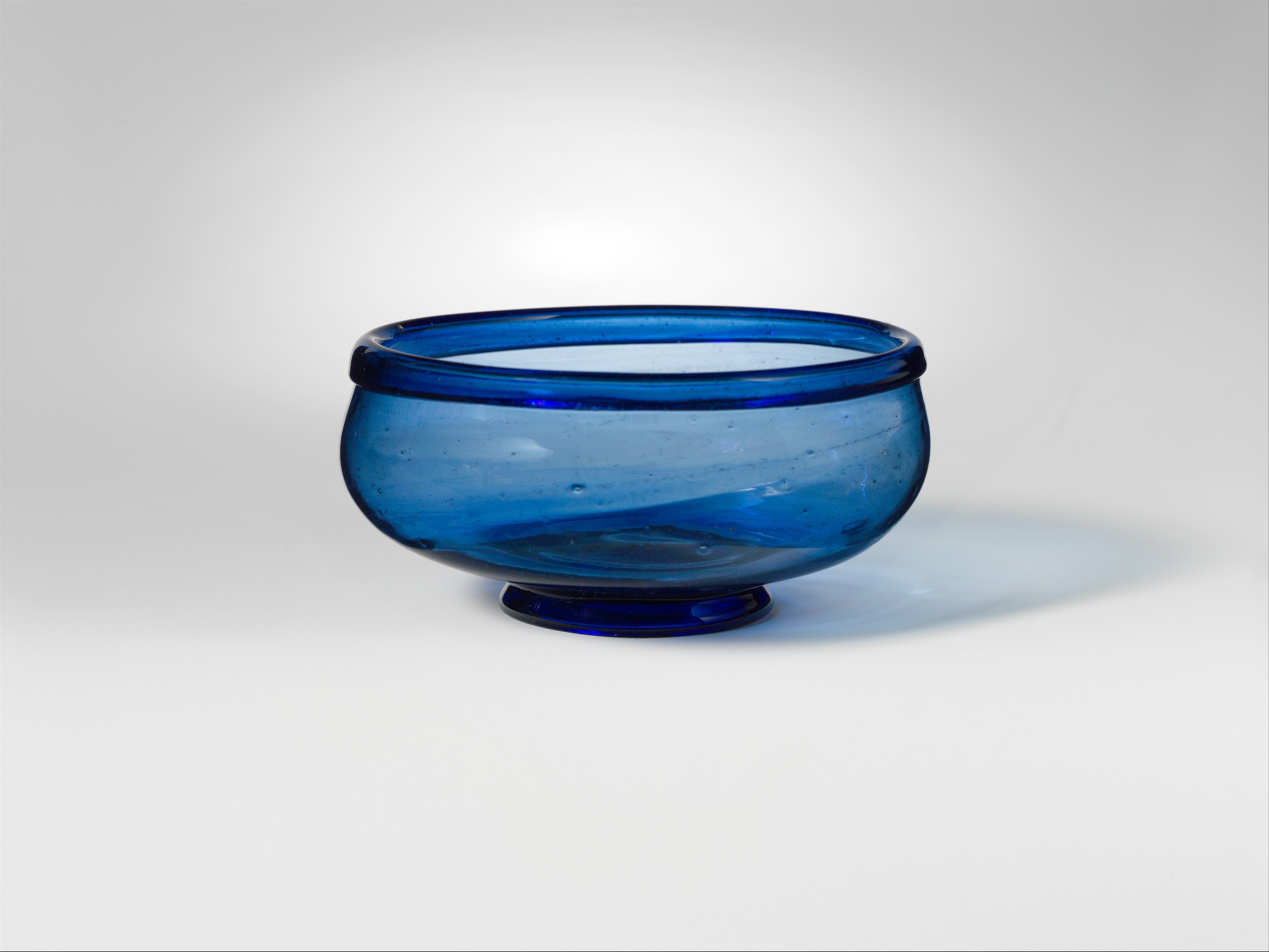
Within the hushed archives of Natalie Fashion Atelier, the isolated study of a Roman glass bowl—fragile, iridescent, and millennia-old—offers more than a mere historical footnote. It presents a masterclass in the tension between rigidity and fluidity, transparency and opacity, and volume and void. For the 2026 haute couture season, this artifact ceases to be a static object of antiquity and becomes a dynamic blueprint. The Roman glass bowl, with its unique manufacturing traces and material philosophy, directly informs a new architectural language for the female silhouette, one that prioritizes engineered drape, chromatic depth, and a sculptural approach to the human form.
I. Deconstructing the Classical: Materiality and Form
The Roman glass bowl, typically produced via core-forming or mold-pressing techniques, was never a vessel of pure utility alone. It was a demonstration of technological mastery and aesthetic restraint. Its defining characteristics—the concentric striations of the glass, the subtle asymmetry of the rim, and the delicate, almost imperceptible gradient of color—are not flaws but rather the fingerprints of a craftsman’s hand. For the couturier, this translates into a rejection of sterile, machine-driven perfection. The 2026 silhouette must embrace the imperfect contour as a luxury marker.
Translating the Rim and Foot
Consider the bowl’s foot, a small, stable disc that grounds the swelling form above. In our 2026 construction, this informs the structured basque waist or the architectural hip yoke. Just as the foot provides a visual anchor, our garments will feature a defined, almost rigid pelvic girdle, constructed from layered horsehair canvas and bias-cut silk gazar. This provides a counterweight to the ethereal volumes above, creating a silhouette that is simultaneously grounded and airborne. The rim of the bowl, often folded and reworked to create a smooth, thickened edge, translates into the precision-bound neckline or the hand-rolled hem. This is not a simple finish; it is a deliberate act of weighting, giving the garment a sense of finality and presence, much like the finished edge of the glass.
II. The Iridescence of Time: Chromatic Strategy
Centuries of burial have given the Roman glass its most coveted attribute: iridescence. This is not a painted surface but a result of chemical weathering, where layers of the glass have flaked and re-crystallized, creating a prismatic play of light across the surface. This phenomenon—the patina of decay—is the central chromatic thesis for 2026. We are moving away from flat, saturated color and toward a nuanced, light-reactive palette.
Layered Transparency and Opacity
The couture interpretation involves a radical layering of micro-transparent organzas and opaque crepe marocain. A single gown might feature a base of pale champagne silk, overlaid with a shimmering layer of celadon green and a final, gossamer-thin veil of smoky quartz. The result is not a solid color but a living, breathing surface that shifts with the wearer’s movement, mimicking the bowl’s play of light. This technique, which we term Chromatic Stratification, requires an obsessive attention to the weight and refractive index of each fabric. The garment, like the glass, becomes a repository of light, capturing and reflecting the ambient environment rather than simply absorbing it.
III. Volume and the Void: Sculpting Negative Space
The most profound lesson from the glass bowl is not its material but its emptiness. The bowl’s primary function is to define a void, a negative space that is as important as the glass itself. In 2026, the couture silhouette will be defined by this principle of internal architecture. We are not merely draping fabric over a body; we are constructing a space around it, a protective aura.
The Inverted Dome Silhouette
This manifests as the Inverted Dome. Unlike the restrictive corsetry of the 19th century or the exaggerated shoulder pads of the 1980s, this silhouette creates volume through internal structure. A jacket, for instance, will be cut with a rigid, circular shoulder seam that projects outward and then falls into a soft, fluid curve, echoing the bowl’s profile. The fabric is not stretched taut but is allowed to hover, creating a pocket of air between the textile and the skin. This is achieved through the use of thermal-molded technical tulle and horsehair braid, which are shaped into three-dimensional forms before being covered with the primary fabric. The wearer is not constrained but inhabits a sculptural space, moving within a volume that is both protective and expressive.
IV. Craftsmanship as a Haute Couture Imperative
The Roman glass bowl was a product of intense labor and specialized skill. Its production was not industrialized; it was artisanal. This ethos is the ultimate luxury in 2026. The machine-made, the mass-produced, and the readily available are the antithesis of couture. The glass bowl demands a response of hyper-artisanship.
Hand-Finishing and the Artisan’s Mark
In our atelier, this translates to a renewed emphasis on hand-painting, pleating, and embroidery. A single evening dress might require 400 hours of labor, with each sequin or bead applied by hand, not to create a pattern, but to follow the organic flow of the fabric, much like the striations in the glass. The seams are not hidden but are treated as structural calligraphy, visible and celebrated. We will employ the technique of soutache, where a braid is applied to the surface of the garment in intricate, swirling patterns, echoing the concentric rings of the bowl’s base. This is not decoration; it is a form of engineering, a way of adding weight, structure, and visual interest to the garment. The artisan’s hand becomes the final tool, leaving a subtle, human trace that no machine can replicate, ensuring that each piece is a unique, wearable artifact.
In conclusion, the Roman glass bowl, in its silent, isolated beauty, is not a relic of the past but a prophecy for the future of haute couture. It teaches us that true luxury lies not in opulence but in the mastery of material, the deliberate construction of space, and the profound value of the handmade. For 2026, Natalie Fashion Atelier will not simply dress the body; we will frame it within a new architectural reality, where the garment is a vessel of light, a sculpture of negative space, and a testament to the enduring power of classical elegance.