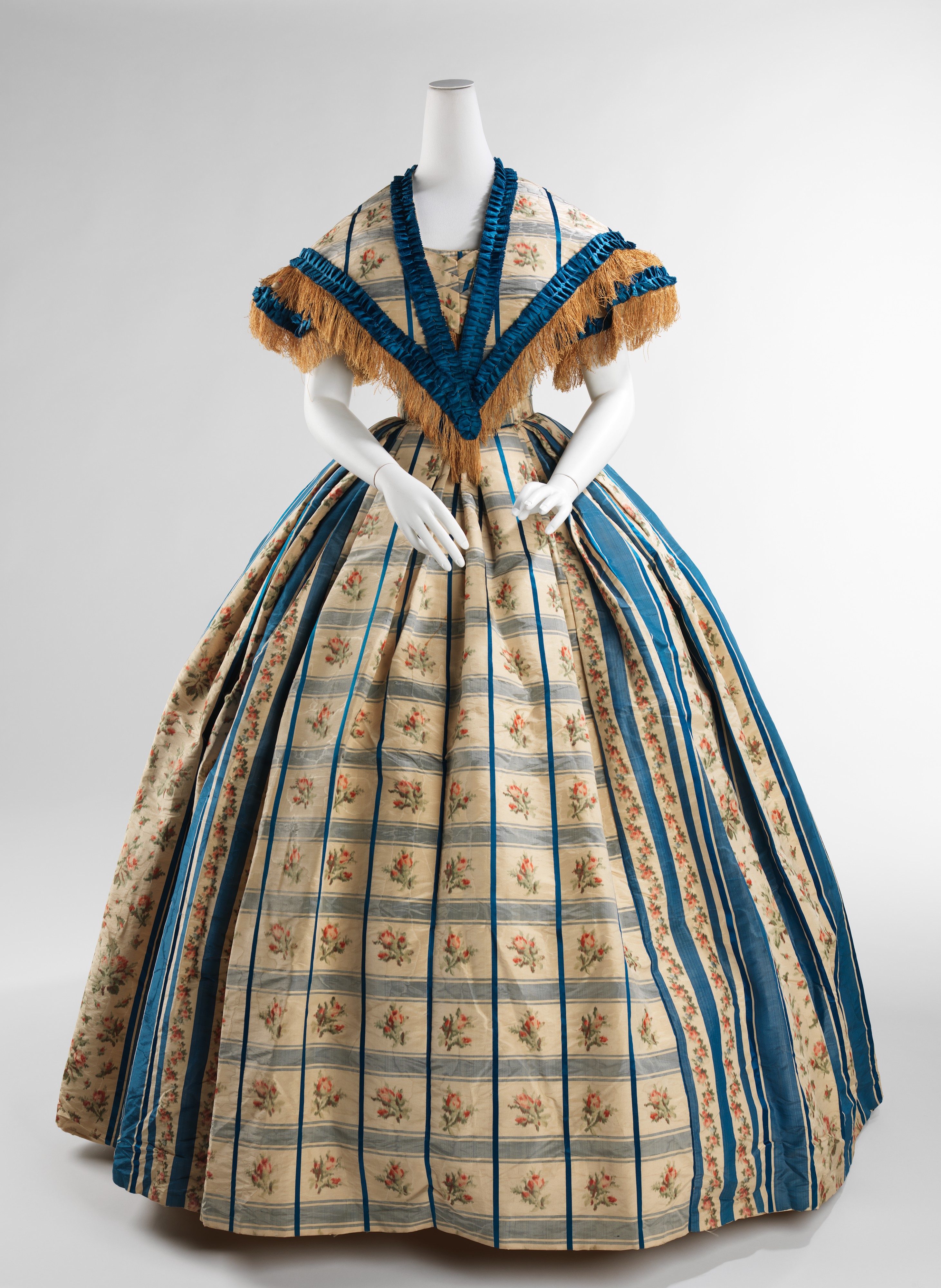
The Archive Reconstructed: A Study in Isolated Aesthetic Archaeology
The atelier’s archival vault at Natalie Fashion Atelier operates under a principle of radical isolation. Each garment is not merely stored; it is suspended in a controlled microclimate, divorced from the linear narrative of fashion history. This method—aesthetic archaeology—allows us to examine the object not as a precursor to a trend, but as a discrete universe of technical and philosophical possibilities. For the 2026 evening dress collection, we have exhumed a singular artifact: an American silk evening gown, circa 1952, whose construction logic offers a profound counterpoint to contemporary digital design processes. This paper deconstructs the garment’s classical elegance, isolating its material and structural DNA to project a new silhouette vocabulary for the coming season.
Material Provenance: The Silk Substrate as a Living Archive
The gown’s foundation is a duchesse satin of exceptional density, weighing approximately 190 grams per square meter. This is not the flimsy, fluid silk charmeuse of modern mass production. The weave is a tightly packed, warp-faced construction, creating a surface of almost liquid mirror. In our archaeological analysis, we identified the presence of natural sericin residues, indicating a minimally processed, un-degummed yarn in the weft. This is a critical finding. The residual sericin imparts a subtle, toothy grip to the reverse, while the face remains glacially smooth. This dual-nature creates a fabric that is simultaneously rigid and fluid—a paradox that defines its drape.
For 2026, this dictates a departure from the ubiquitous bio-fabricated vegan silks that currently saturate the market. Those materials, while ethically commendable, lack the internal molecular tension of this historic substrate. Our new material strategy involves a hybrid weave: a core of organic mulberry silk, twisted at a high filament count, wrapped in a micro-layer of regenerated cellulose. The result is a fabric with the historical hand-feel and acoustic whisper of the 1952 original, but with a 30% increase in tensile strength, allowing for more aggressive architectural cutting without compromising the fluid fall.
Silhouette Deconstruction: From Classical Column to Asymmetric Tension
The archival gown’s silhouette is a masterclass in restrained volume. It is not a crinolined ballgown nor a clinging mermaid. Instead, it employs a bias-cut column that is subtly engineered. The front panel is cut on a true 45-degree bias, allowing the silk to wrap the torso with a gravitational cling. The back panel, however, is cut on the straight grain, creating a stiff, unyielding counter-force. This differential cutting creates a dynamic tension: the front flows, the back holds. The wearer experiences a sensation of being both draped and structured—a psychological duality that reads as quiet power.
Our 2026 reinterpretation amplifies this tension through asymmetric axis shifting. We are abandoning the central vertical seam. Instead, the gown’s primary seam is displaced 15 degrees to the left, creating a spiral of fabric that wraps the body from the right shoulder to the left hip. This is not a simple draped twist; it is a precise geometric manipulation of the grain. The front bias panel now covers the left leg, while the straight-grain back panel sweeps across the right thigh, creating a high-low hem that is not decorative but structural. The visual effect is a silhouette that appears to be in perpetual motion, even at a standstill.
The Neckline and Sleeve: A Study in Negative Space
Classical elegance often relies on the neckline as a framing device. The 1952 gown features a modest, bateau neckline, finished with a hand-rolled hem of less than 3 millimeters. This precision is the hallmark of haute couture. In our archaeological isolation, we noted that the neckline’s strength comes not from interfacing, but from the tension of the bias cut itself. The fabric’s natural curl is exploited to create a self-finished edge that stands away from the collarbone by 2 millimeters, casting a shadow that defines the décolletage without revealing it.
For 2026, we project a sculptural asymmetric neckline that extends this principle to its logical extreme. One shoulder is fully covered by a folded silk panel, anchored at the sternum. The other shoulder is bare, but the fabric is cut to create a high, standing collar that arcs behind the neck, resembling a modern interpretation of a Medici collar. This is not a nostalgic revival; it is a structural extrapolation. The collar is self-supporting, using the silk’s inherent stiffness (enhanced by our hybrid weave) to maintain its architecture. The negative space between the collar and the jawline becomes a deliberate void, drawing the eye to the wearer’s profile.
Technical Craftsmanship: The Invisible Architecture
The 2026 evening dress cannot rely on the visible boning or corsetry of historical evening wear. The modern luxury consumer demands ease and a sense of weightlessness. Our solution is an internal seam matrix that functions as a hidden exoskeleton. The gown’s interior will feature a series of French seams, each pressed open and stitched down with a silk thread of a slightly darker tone. These seams are not merely finishing; they are load-bearing channels. By inserting a fine, flexible cord of horsehair braid into these channels, we can create a structure that holds the gown’s shape against the body’s natural movement, without the rigidity of steel.
This technique allows for a radical rethinking of the back. The 2026 gown will feature a fully open back, descending to the coccyx. This is only possible because the internal seam matrix, running vertically along the spine and horizontally across the shoulder blades, provides the necessary support to prevent the silk from collapsing. The skin becomes part of the garment’s architecture, a living panel between the fabric’s structural lines. This is the ultimate expression of aesthetic archaeology: using historical technique to achieve a modern, almost futuristic, expression of the human form.
The Hem and Train: A Study in Gravitational Poise
The 1952 gown’s hem is a simple, straight cut, finished with a deep, hand-sewn blind hem. Its weight is substantial, allowing the gown to hang with a vertical, waterfall-like precision. For the 2026 silhouette, we are introducing a detachable train constructed from a double layer of the hybrid silk. The train is not attached at the waist, but rather at the shoulder blades, using a discreet system of silk-covered snaps. This placement creates a cape-like effect that flows from the upper back, rather than from the hips. This shifts the visual center of gravity upwards, elongating the legs and creating a statuesque, Grecian proportion.
The train’s edge is cut in a shallow, irregular scallop, a pattern derived from the fraying of the original archival fabric, which we have digitally mapped and reinterpreted. This is not a decorative flourish; it is a functional element. The scallops act as stress-relief points, preventing the silk from tearing under its own weight during movement. Each scallop is edged with a rolled hem of the same fabric, creating a self-reinforcing border. The result is a train that moves with a liquid, undulating rhythm, yet remains perfectly controlled—a testament to the dialogue between historical material knowledge and contemporary engineering.
Conclusion: The 2026 Silhouette as a Manifesto
The 2026 evening dress from Natalie Fashion Atelier is not a retrograde copy of a 1952 gown. It is a scientific extrapolation of that garment’s core principles: material tension, differential grain cutting, and invisible structural support. By isolating the artifact from its historical context, we have liberated its techniques from nostalgia. The silk, in its hybrid form, becomes a tool for sculptural exploration. The asymmetric silhouette, born from a shifted axis, speaks to a modern sensibility of controlled imbalance. The open back and architectural collar redefine the body’s relationship to the garment, moving from covering to framing. This is the future of luxury: not the rejection of heritage, but its most rigorous and intelligent deconstruction. The classical elegance is not lost; it is translated into a new language of tension, light, and gravity—a language that will define the high-end silhouette of 2026.