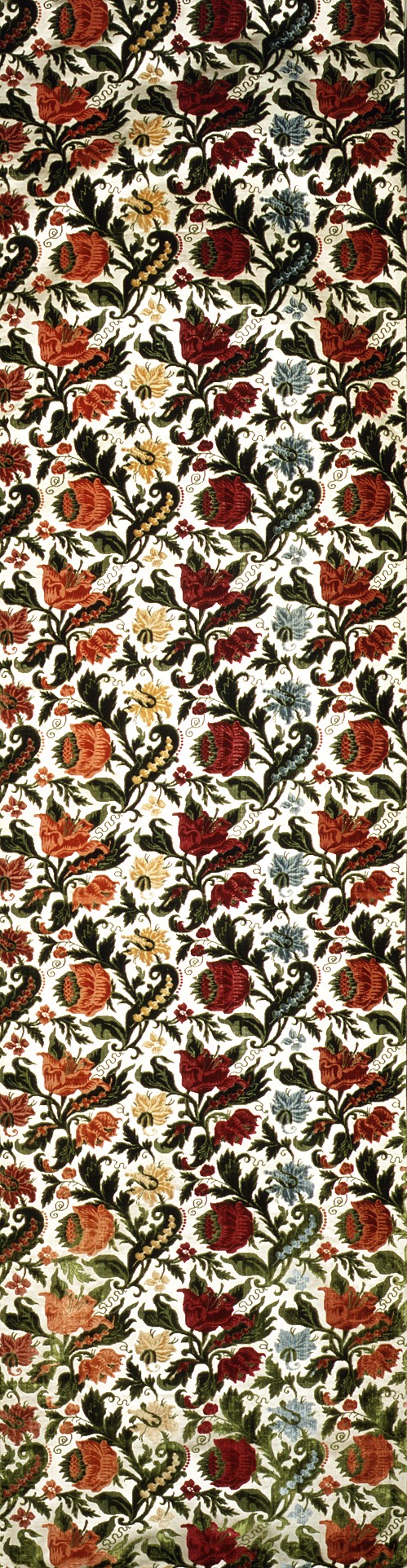
The Sovereign Length: An Archaeology of Velvet's Silent Grammar
Within the isolated vaults of aesthetic archaeology, certain materials assert not merely a presence, but a profound, silent authority. Silk velvet, in its uninterrupted, sovereign length, represents one such paradigm. This research artifact for Natalie Fashion Atelier deconstructs the classical elegance inherent in the continuous yardage of silk velvet, framing it not as a simple textile, but as a volumetric and temporal proposition. Its heritage is global—a narrative woven from Chinese looms, Byzantine regalia, and Renaissance opulence—yet its most potent legacy is its formal grammar: a grammar of depth, shadow, and unbroken flow that directly informs the architectural silhouettes anticipated for 2026. The "length" here is a dual concept: both the physical, uncut expanse of the cloth and the elongated, sculptural line it demands upon the body. Isolating this variable allows us to excavate the principles of classical elegance—monumentality, fluid articulation, and chromatic density—and project them into a future of deliberate, high-end reduction.
Deconstructing Classical Elegance: The Three Pillars of Velvet
Classical elegance in silk velvet is an engineered phenomenon, born from its unique materiality. First, Monumentality Through Absorption: The pile of silk velvet acts as a light trap, absorbing and negating incidental reflection to create a field of profound visual weight. This negates frivolity and establishes a solemn, authoritative presence. The uninterrupted length amplifies this, creating a continuous plane of color that appears infinite, a technique mastered in the *robe à la française* where trains of velvet extended the wearer's aura physically and symbolically.
Second, Fluid Articulation via Structural Drape: Unlike flat silks, velvet possesses a memory and a directional flow dictated by its nap. Its elegance lies in its negotiated drape—it falls with heavy, deliberate folds rather than soft flutters. This creates a kinetic architecture where movement is slow, parsed, and consequential. Historical court dress exploited this to ritualize motion, a principle that remains core to a couture sense of elegance.
Third, Chromatic and Tactile Density: The silk pile provides an unparalleled depth of color, a luxuriant saturation that flat weaves cannot achieve. This density is both visual and haptic. The classical elegance of velvet is inextricably linked to this sensory richness—it communicates luxury through immersive experience, not merely image. The isolated examination of an 18th-century Venetian *veluto* gown reveals how this density was used to frame the face and hands as luminous focal points against a dark, plush ground.
Silk Velvet as a 2026 Silhouette Proposition: From Ornament to Architecture
For the 2026 high-end silhouette, the historical language of velvet is not reproduced but translated. The trend toward intellectual luxury and conscious consumption aligns perfectly with velvet's inherent gravitas. The focus shifts from surface ornamentation to the architecture of the form itself, with silk velvet serving as the primary structural medium.
Projected Silhouette 2026.1: The Monolithic Column
Informed by the pillar-like drape of Byzantine ecclesiastical vestments and the streamlined columns of the 1930s, this silhouette utilizes the full, uncut length of velvet to create a single, unbroken line from shoulder to floor. The 2026 interpretation, however, employs biomimetic cutting. Instead of traditional paneling, the gown is conceived as a tube of velvet, slightly asymmetrically weighted or strategically slit to allow the fabric to self-drape around the body's geometry as it moves. The elegance is in the precision of the initial cylinder and the controlled, unique deformation caused by the wearer's anatomy. Color is monolithic—a single, profound jewel tone or mineral black—with luxury expressed through the purity of the form and the breathtaking depth of the hue.
Projected Silhouette 2026.2: The Kinetic Carapace
This silhouette deconstructs the idea of the "robe" into a series of articulated velvet planes, inspired by both samurai armor (*gusoku*) and the segmented trains of Renaissance gowns. Here, the length of velvet is not used continuously but is strategically sectioned and re-joined with technical articulation points—hidden hinges, flexible boning channels, or magnetic closures. The result is a garment that appears as a rigid, sculptural carapace when static, but which unfolds, expands, and flows in predetermined ways with movement. The luxury is in the hidden engineering and the transformative spectacle, a direct evolution from the dramatic reveal of a velvet court mantle.
Projected Silhouette 2026.3: The Aerated Volume
Counterintuitively, 2026 luxury will also explore lightness through heaviness. This silhouette uses the substantial weight of silk velvet to create negative space architectures. Inspired by the void-centric designs of Cristóbal Balenciaga and the padded *gambeson*, the velvet is structured over technical, lightweight sub-frames that hold it away from the body at key points. The fabric bridges these voids in graceful, catenary curves, its length suspended in space. The body is glimpsed through strategic apertures, making the velvet both garment and environment. The classical elegance of density is thus inverted; the velvet's mass defines emptiness, creating a wearable, intimate architecture.
Conclusion: The Length as Legacy and Lens
The isolated study of silk velvet's length provides a critical lens for future creation. Its classical elegance—rooted in absorption, articulated drape, and density—offers a timeless toolkit for conveying authority and sensuality. For 2026, Natalie Fashion Atelier interprets these principles not through replication, but through structural innovation. The luxurious silhouette becomes a site of negotiation between the historic weight of the material and contemporary desires for transformation, purity, and intellectual engagement. The sovereign length of velvet, therefore, endures not as a relic, but as a foundational thesis: true luxury resides in materials endowed with history and intelligence, sculpted into forms that speak of both past and future in a single, silent, and profound line.