Deconstructing Classical Elegance: The Textile Fragment as a Blueprint for 2026 Haute Couture Silhouettes
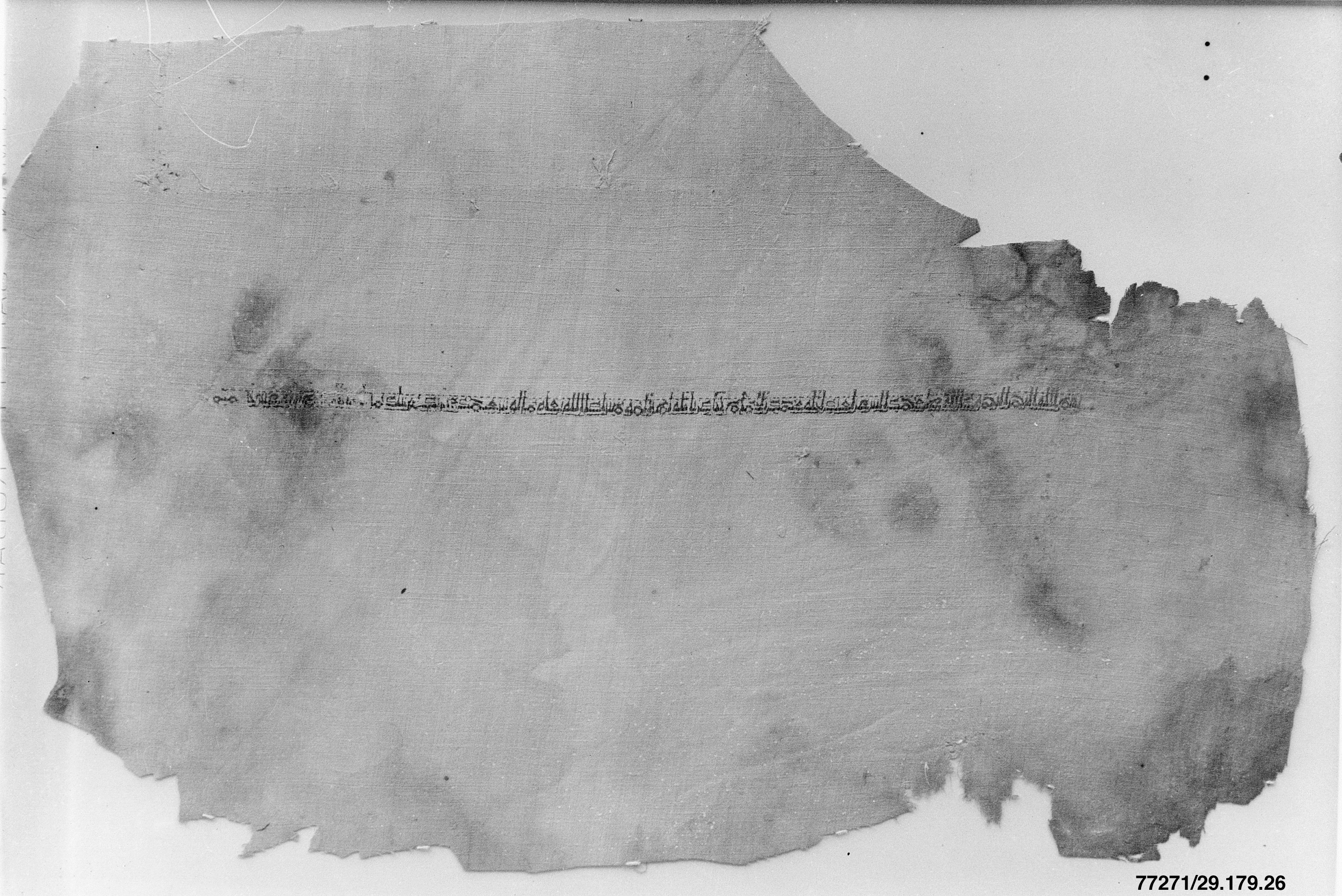
Within the hushed archives of Natalie Fashion Atelier, a singular textile fragment—a relic of indeterminate provenance yet universal resonance—demands rigorous interrogation. Composed of a foundational plain weave in linen, overlaid with the lustrous tactility of silk and punctuated by intricate embroidery, this artifact transcends its physical decay to function as a primary source document. It is not merely a remnant of a bygone garment; it is a concentrated thesis on proportion, tension, and the dialectic between structure and fluidity. For the 2026 haute couture season, this fragment is not an object of nostalgia but a technical blueprint. It compels us to deconstruct its classical elegance, extracting the geometric and textural principles that will define the next generation of luxury silhouettes—silhouettes that respond to a contemporary desire for permanence, authenticity, and architectural grace.
Material Dialectics: The Structural Grammar of Linen and Silk
The fragment’s materiality establishes a foundational tension that is immediately translatable to modern garment construction. The linen warp and weft, in their uncompromising plain weave, provide a rigid, almost architectural scaffold. This is not a fabric that drapes passively; it asserts a planar integrity, a resistance that demands the designer’s respect. Conversely, the silk embroidery—whether executed in satin stitch or a delicate chain—introduces a counterpoint of liquid luminosity and dimensional relief. This is the core dialectic: the austerity of linen against the opulence of silk; the matte, dry hand against the glossy, supple accent.
For 2026, this dialectic informs a new approach to composite layering. We are moving away from the monolithic, fluid jersey drapes that dominated the previous decade. Instead, the silhouette will be constructed through a strategic juxtaposition of rigid panels and fluid inserts. The linen provides the skeleton—a defined shoulder, a sculpted hip—while the silk embroidery acts as the nervous system, tracing pathways of light and movement across the body’s surface. The 2026 couture client seeks garments that offer both armor and caress. This fragment teaches us that true luxury is not found in unadulterated softness, but in the masterful negotiation between unyielding structure and delicate embellishment.
From Flat Plane to Volumetric Architecture
The plain weave’s inherent flatness is its most radical proposition. In an era obsessed with exaggerated volume and deconstructivist chaos, this fragment reminds us of the power of the controlled plane. The 2026 silhouette will therefore feature a return to precision-cut, flat-fronted panels that create a columnar, elongated line. This is not a rejection of volume, but a redefinition of it. Volume will be engineered through internal architecture—interlinings of horsehair canvas and structured tulle—rather than through external draping. The linen’s planar quality allows for a garment that holds its shape, creating a clean, uninterrupted contour from shoulder to hem. This is a silhouette of quiet confidence, one that prioritizes the wearer’s presence over the garment’s spectacle.
However, this architectural rigidity is deliberately subverted by the silk embroidery. The embroidered motifs, often floral or geometric, are not flat appliqués. They are relief sculptures that catch and refract light, creating a secondary, illusory silhouette that shifts with the wearer’s movement. This technique informs the 2026 practice of surface modulation. We will see garments where the primary silhouette is stark and minimalist, but the surface is alive with three-dimensional texture. This creates a sophisticated visual paradox: a garment that is simultaneously severe and ornate, static and kinetic. The embroidery acts as a form of trompe l’oeil, suggesting a softness and fluidity that the underlying linen structure explicitly denies.
Embroidery as Cartography: Mapping the 2026 Body
The placement of the embroidery on the fragment is not arbitrary; it is a deliberate mapping of the body’s zones of power and vulnerability. The concentration of silk threads along what would have been the neckline or cuffs suggests a strategic framing of the extremities. This principle is paramount for 2026. The silhouette will no longer be defined solely by its overall mass, but by the accentuation of specific anatomical points. We will see embroidered collars that extend into rigid, sculptural neckpieces, effectively merging jewelry with garment. Cuffs will be elongated into glove-like extensions, creating a continuous line of embellishment that draws the eye to the hands—the primary instruments of expression in the digital-physical hybrid world.
This cartographic approach also dictates the silhouette’s internal proportions. The embroidery can be used to create optical waistlines or to visually broaden the shoulders without adding physical bulk. By concentrating the silk’s luminosity at the hip, we can create an exaggerated hourglass effect against the matte linen’s neutrality. This is a form of aesthetic archaeology, where we excavate the historical practice of using embellishment to correct or enhance the natural form, and re-engineer it for a contemporary audience. The 2026 body is not a passive canvas; it is an active participant in a dialogue between the garment’s structural logic and its decorative narrative.
Silhouette Synthesis: The Neo-Classical Column and the Asymmetric Drape
Synthesizing these material and decorative principles, two distinct yet complementary silhouettes emerge for the 2026 collection. The first is the Neo-Classical Column. This silhouette is a direct descendant of the fragment’s planar integrity. It is a long, unbroken line, often floor-length, constructed from a heavyweight linen blend that holds a razor-sharp crease. The garment is devoid of darts or waistline seams, relying instead on the fabric’s own rigidity to skim the body. The silk embroidery is deployed in a single, vertical band—a pars pro toto—running from the shoulder to the hem, acting as a visual spine. This is a silhouette of monumental calm, referencing the drapery of classical statuary but executed with a modern, almost brutalist precision.
The second silhouette is the Asymmetric Structural Drape. While the column celebrates symmetry, this silhouette explores the fragment’s tension between plane and relief through imbalance. Here, a single shoulder is capped with a rigid, embroidered epaulet, while the opposite side features a fluid cascade of silk that appears to have been “poured” over the linen structure. This is not a soft drape; it is a controlled fall, engineered with internal weights and tunnels to ensure the fabric folds exactly as the designer intends. The asymmetry creates a dynamic, forward-moving line, suggesting motion and modernity. This silhouette is a direct response to the fragment’s lesson: that elegance is not static, but a carefully choreographed interplay between opposing forces.
In conclusion, the textile fragment serves as a profound pedagogical tool. It teaches us that the future of haute couture lies not in novelty for its own sake, but in the rigorous reinterpretation of enduring principles. By deconstructing its material dialectics and decoding its embroidered cartography, we have extracted a clear directive for 2026: silhouettes that are architecturally severe yet texturally opulent, structurally defined yet optically fluid. The atelier’s role is not to replicate the past, but to perform an aesthetic archaeology that unearths its foundational grammar, allowing us to compose new sentences of form, light, and luxury for the discerning clientele of the future.