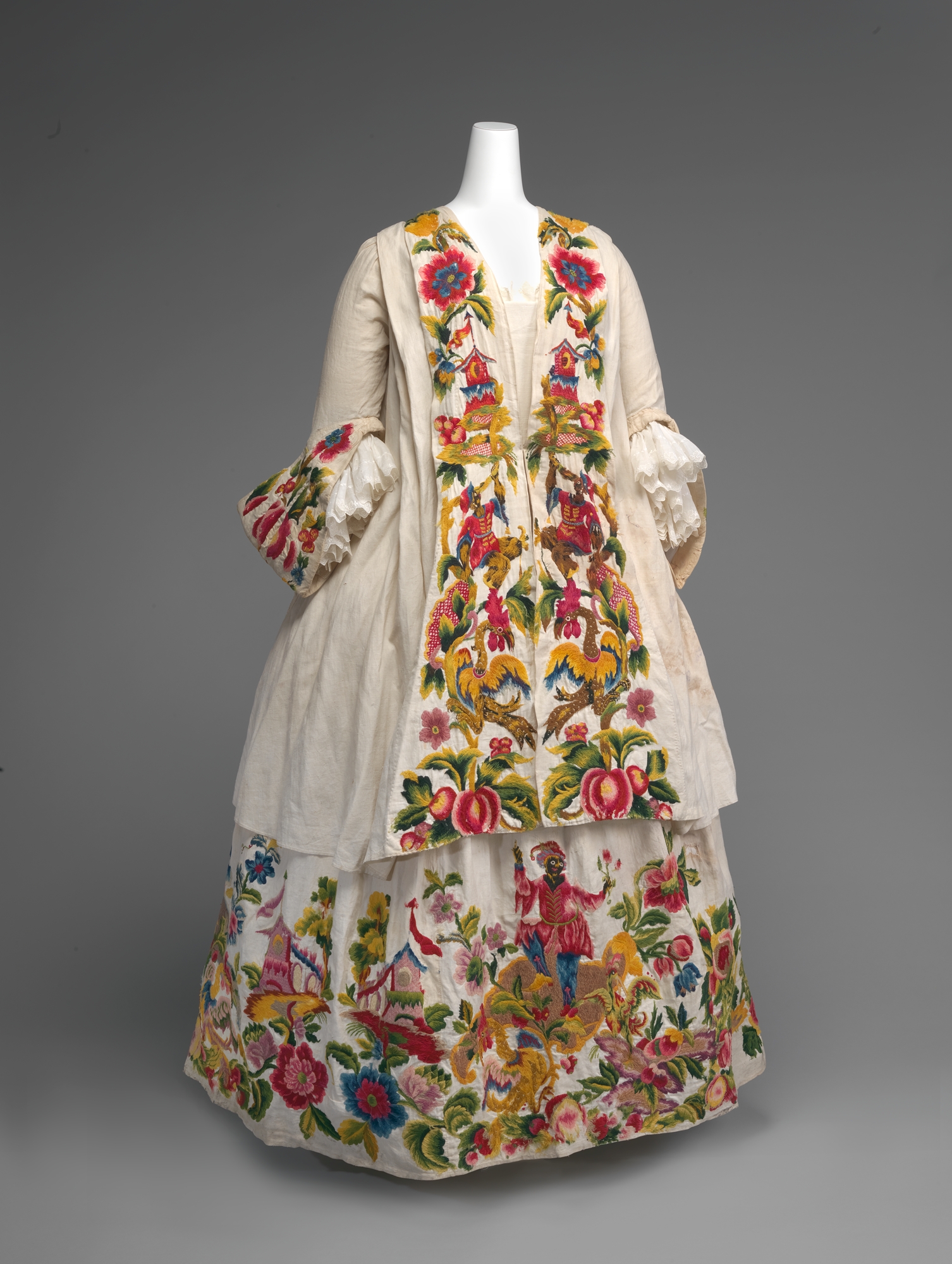
Deconstructing the Classical: Linen’s Architectural Rebirth in 2026
Within the hushed archives of Natalie Fashion Atelier, we engage in a practice we term aesthetic archaeology—the systematic excavation of sartorial memory, not for nostalgic replication, but for the extraction of structural DNA. Our current subject, an Italian linen dress from the late 1950s, presents a paradox of materiality and form. It is, on the surface, an emblem of rustic simplicity. Yet, beneath its humble weave lies a complex grammar of drape, tension, and release that directly informs the 2026 high-end silhouette. This paper deconstructs the garment’s classical elegance, isolating its technical principles and translating them into a contemporary lexicon of luxury that prioritizes intellectual substance over transient ornament.
Material Provenance: The Linen Substrate as a Structural Agent
The foundational argument of this research is that linen, in the Italian atelier tradition, is not a passive canvas but an active structural agent. Unlike the fluid surrender of silk or the rigid architecture of wool, mid-century Italian linen possesses a unique viscoelasticity—a capacity to hold a crease with deliberate precision while simultaneously yielding to the body’s kinetic energy. The archival specimen, likely woven in the Lombardy region, exhibits a high-twist yarn that grants it a dry, almost crisp hand. This is not the soft, washed linen of contemporary casualwear; it is a structured linen, one that behaves like a lightweight armor.
For 2026, we propose a radical re-engagement with this property. The luxury silhouette will no longer rely on padding or boning for structure. Instead, we will employ a high-tension linen weave, engineered to create self-supporting volumes. The dress’s skirt, in our reinterpretation, will not fall limply. It will project outward from the hip with a clean, geometric flare, achieved through a precise manipulation of the fabric’s natural stiffness. This is not a return to the crinoline; it is a celebration of the fabric’s own intrinsic strength. The 2026 client seeks a garment that stands as a testament to material intelligence, where the silhouette is a direct consequence of the fiber’s inherent character.
Silhouette Archaeology: The Shift from Fluid to Faceted
The archival dress’s silhouette is deceptively simple: a fitted bodice, a defined waist, and a full, knee-length skirt. Yet, a technical examination reveals a sophisticated play of negative space and planar construction. The bodice is cut on the bias, allowing the linen to mold to the torso with a subtle, diagonal tension that creates a sculpted, almost corseted effect without a single seam at the center front. The skirt, conversely, is cut on the straight grain, its panels meticulously aligned to create a series of flat, angular planes that catch light differently as the wearer moves. This is the essence of classical elegance—a controlled dialogue between the body and the textile.
Our 2026 translation abandons the soft, rounded shoulders and A-line drapes that have dominated the past decade. Instead, we introduce the “Faceted Column.” This silhouette deconstructs the body’s form into a series of sharp, angular planes, reminiscent of a cut gemstone. The linen is pleated with a mathematical precision, not in the traditional accordion style, but in asymmetrical, origami-like folds that create a dynamic interplay of shadow and light. The waist is no longer cinched but articulated—a deliberate, structural interruption in the fabric’s flow. This is a silhouette that speaks to a new era of empowered femininity, one that is assertive, intellectual, and deeply connected to the craft of construction.
Surface Tension: The Luxury of Imperfection and the Art of the Crease
In the realm of haute couture, the pursuit of the flawless surface has often led to a sterile, lifeless result. The Italian linen dress, however, teaches us a different lesson: the luxury of the deliberate crease. The garment’s beauty lies not in its pristine state, but in its capacity to record the wearer’s history. The faint lines at the elbow, the soft fold at the waist—these are not flaws; they are a cartography of movement. In 2026, we will elevate this principle to a conscious design strategy.
We will employ a technique we call “Crease Couture.” Rather than pressing the linen to a glass-like finish, we will introduce controlled, permanent creases at strategic stress points. These are not random wrinkles but engineered folds that guide the eye along the body’s natural lines, creating a sense of dynamic flow even in stillness. The surface of the dress becomes a textured landscape, a tactile experience that invites closer inspection. This approach challenges the conventional hierarchy of luxury fabrics, positioning linen not as a humble alternative to silk, but as a sophisticated material that demands a new kind of connoisseurship—one that appreciates the narrative embedded in its tactile surface.
Chromatic Restraint: The Palette of the Archive
The archival dress is rendered in a shade of ecru, a natural, unbleached off-white that is the signature of un-dyed, high-quality linen. This chromatic restraint is not an absence of color but a concentration of texture. In 2026, we will expand this monochromatic philosophy into a curated palette of “Earthly Neutrals”: chalk, sand, oat, and a deep, mineral umber. These hues are chosen not for their visual impact but for their ability to amplify the fabric’s three-dimensional qualities. The subtle tonal variations within a single garment—achieved through a technique of selective over-dyeing—will create a shadowed depth that mimics the play of light on ancient stone.
This is a deliberate move away from the dopamine-drenched, hyper-saturated colors of the current market. The 2026 luxury client is seeking a quieter, more cerebral form of expression. The color becomes a backdrop, allowing the architectural silhouette and the tactile materiality to take center stage. It is a statement of confidence, a refusal to rely on chromatic spectacle for impact. The luxury lies in the nuance, in the barely perceptible shift from one neutral to the next, a subtlety that is the ultimate marker of high-end taste.
Conclusion: The Future as a Function of the Past
The Italian linen dress is not a relic; it is a blueprint. By deconstructing its classical elegance, we have isolated principles that are profoundly relevant to the 2026 luxury silhouette: the use of material as structure, the articulation of the body through planar geometry, the celebration of the deliberate crease, and the power of chromatic restraint. These are not nostalgic gestures but forward-looking strategies that redefine luxury as a function of intellectual rigor and artisanal mastery.
Natalie Fashion Atelier’s 2026 collection will not merely reference this heritage; it will re-engineer it. We will take the humble linen and elevate it to a medium of architectural expression, creating garments that are not just worn but inhabited. The result is a silhouette that is at once timeless and radically new—a testament to the enduring power of aesthetic archaeology to inform a future of profound, material intelligence.