Stucco Fragment: The Archaeology of Draped Light in 2026 Couture
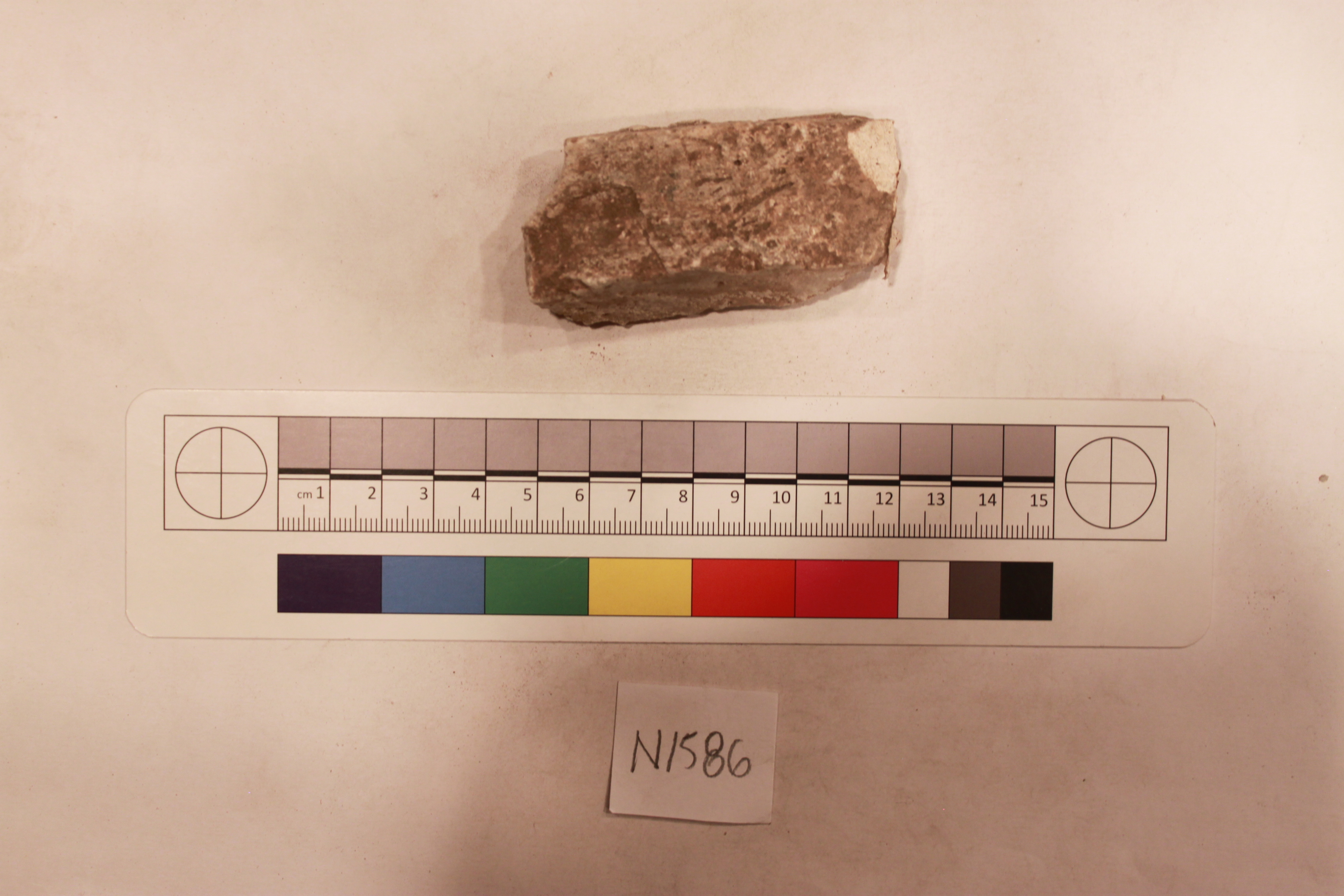
Within the silent archive of Natalie Fashion Atelier, a singular object commands attention: a carved and painted stucco fragment, isolated from its architectural origin. This remnant of mortar, transformed by the artisan’s hand, is not merely a decorative relic. It is a masterclass in the manipulation of volume, surface, and shadow—principles that resonate with profound urgency for the 2026 luxury silhouette. By decoupling the stucco from its historical context, we are afforded a pure, aesthetic archaeology. We extract its formal grammar: the compression of mass, the illusion of softness within a rigid medium, and the deliberate choreography of light across a painted plane. This analysis deconstructs these elements to propose a new technical lexicon for haute couture, where fabric behaves not as textile, but as a structural membrane of frozen movement.
I. The Material Paradox: Rigidity as a Vehicle for Fluidity
The stucco fragment’s primary lesson lies in its inherent contradiction. Mortar, in its raw state, is a humble, utilitarian substance. Yet, through carving, it achieves the visual language of billowing fabric, of wind-caught drapery, of a momentary pause in motion. The artisan’s chisel did not fight the material’s rigidity; it exploited it. The resulting folds are not soft; they are compressed volumes, each crease a deliberate, structural decision. This paradox—the representation of fluidity through absolute fixity—is the foundational concept for our 2026 research.
Translating Compression into Construction
For the atelier, this translates into a radical departure from conventional draping. Instead of allowing fabric to fall naturally, we will engineer controlled compression. This involves constructing garments from the inside out, using internal boning and architectural understructures that push the outer shell into predetermined, ‘carved’ folds. The silhouette will not drape; it will appear to have been draped and then frozen in time. The technique demands a new approach to pattern cutting, where each panel is treated as a facet of a sculptural whole, rather than a flat plane. The 2026 silhouette, therefore, will feature pronounced, angular hip formations and shoulder lines that mimic the stucco’s sharp undercuts, creating a sense of weight and permanence that is alien to the transient nature of contemporary fashion.
II. The Painted Surface: A Dialogue Between Chromatic Depth and Form
The stucco fragment is not monochromatic. Its painted surface—likely polychrome in its original state, now faded to a suggestive patina—offers a second critical directive. The paint does not merely color the form; it defines the topography. In areas of high relief, the pigment is worn, allowing the white ground to catch light. In the recessed folds, the pigment pools, creating a shadow that is both physical and chromatic. This is not a surface treatment; it is an integral part of the object’s sculptural logic.
Chromatic Relief and the 2026 Palette
We will apply this principle through a technique we term ‘chromatic relief’. For 2026, this involves using fabric with a deliberate, uneven surface—such as a double-faced silk gazar or a technical faille—and treating it with a combination of dyeing and overprinting. The print will not be a pattern; it will be a map of the garment’s intended shadows. Darker pigments will be precisely placed in the areas where the fabric is destined to fold, while lighter, almost iridescent pigments will be reserved for the peaks of the carved volumes. This requires a pre-visualization process where the print is designed in tandem with the pattern, not after. The result is a garment where color and light perform a synchronized dance, creating a three-dimensional optical effect that enhances the silhouette’s sculptural presence without adding a single gram of physical weight.
III. Aesthetic Archaeology: Deconstructing Classical Elegance
The fragment’s elegance is not derived from ornamentation, but from proportional restraint. The carving demonstrates a masterful understanding of negative space—the voids between the folds are as important as the folds themselves. This classical sense of balance, of knowing when to stop, is the ultimate luxury. In an era of maximalist noise, the stucco whispers a more sophisticated truth.
The New Proportion: Negative Volume as Luxury
Our 2026 silhouettes will embrace this austerity. We will move away from the body-con and the oversized, and toward a new proportion defined by negative volume. This means constructing garments that create deliberate, architectural voids between the fabric and the body. A jacket, for instance, will not be tailored to the waist, but will be carved to stand away from it, creating a crescent of shadow that is as integral to the design as the lapel. Skirts will feature asymmetrical, cantilevered panels that project outward, supported by invisible internal structures, echoing the stucco’s dramatic overhangs. This is not a return to historical corsetry; it is a forward-looking exploration of how clothing can define space, creating an aura of quiet power and intellectual elegance. The wearer does not inhabit the garment; they are framed by it, as a statue is framed by its niche.
IV. Technical Synthesis: From Fragment to Silhouette
The translation from stucco to silk is not a literal one. It is a process of material transubstantiation, where the essence of the object—its structural logic, its chromatic depth, its proportional restraint—is distilled and re-embodied in a new medium. The 2026 collection will feature three primary silhouette archetypes derived from this research:
Archetype 1: The Carved Column
A floor-length gown that appears to be a single, monolithic block of fabric. The surface is manipulated through a series of deep, vertical tucks and pleats that are heat-set or sewn with a rigid horsehair braid, creating the illusion of carved fluting. The color is a single, deep hue—perhaps a faded Pompeian red—with a subtle, tonal gradation from top to bottom, mimicking the wear of time on the original fragment.
Archetype 2: The Cantilevered Torso
A tailored jacket or bodice where the shoulder and hip lines are extended and sharpened, creating pronounced, architectural projections. These are not padded; they are engineered with internal cantilevers of lightweight carbon fiber or sculpted couture felt, allowing the fabric to ‘float’ over the body. The surface is treated with a matte, almost chalky finish, echoing the stucco’s texture, and is devoid of any hardware or visible closures, preserving the purity of the line.
Archetype 3: The Negative Space Gown
An evening dress that is defined by its absence. The bodice is a minimal, structural harness, from which a skirt of dramatic, asymmetric panels is suspended. The panels are cut to create deliberate gaps, revealing the body in fleeting, controlled glimpses. The fabric is a technical crepe with a subtle, metallic sheen that catches the light only on its sharpest edges, replicating the worn highlights of the painted stucco. This silhouette is the ultimate expression of the fragment’s lesson: that true elegance lies in the confidence of what is left unsaid, and what is left uncovered.
In conclusion, the stucco fragment, isolated and decontextualized, serves as a potent catalyst for innovation. It reminds us that luxury is not about abundance, but about mastery over material and light. As we move toward 2026, Natalie Fashion Atelier will not follow trends; we will carve them, one precise, deliberate fold at a time.