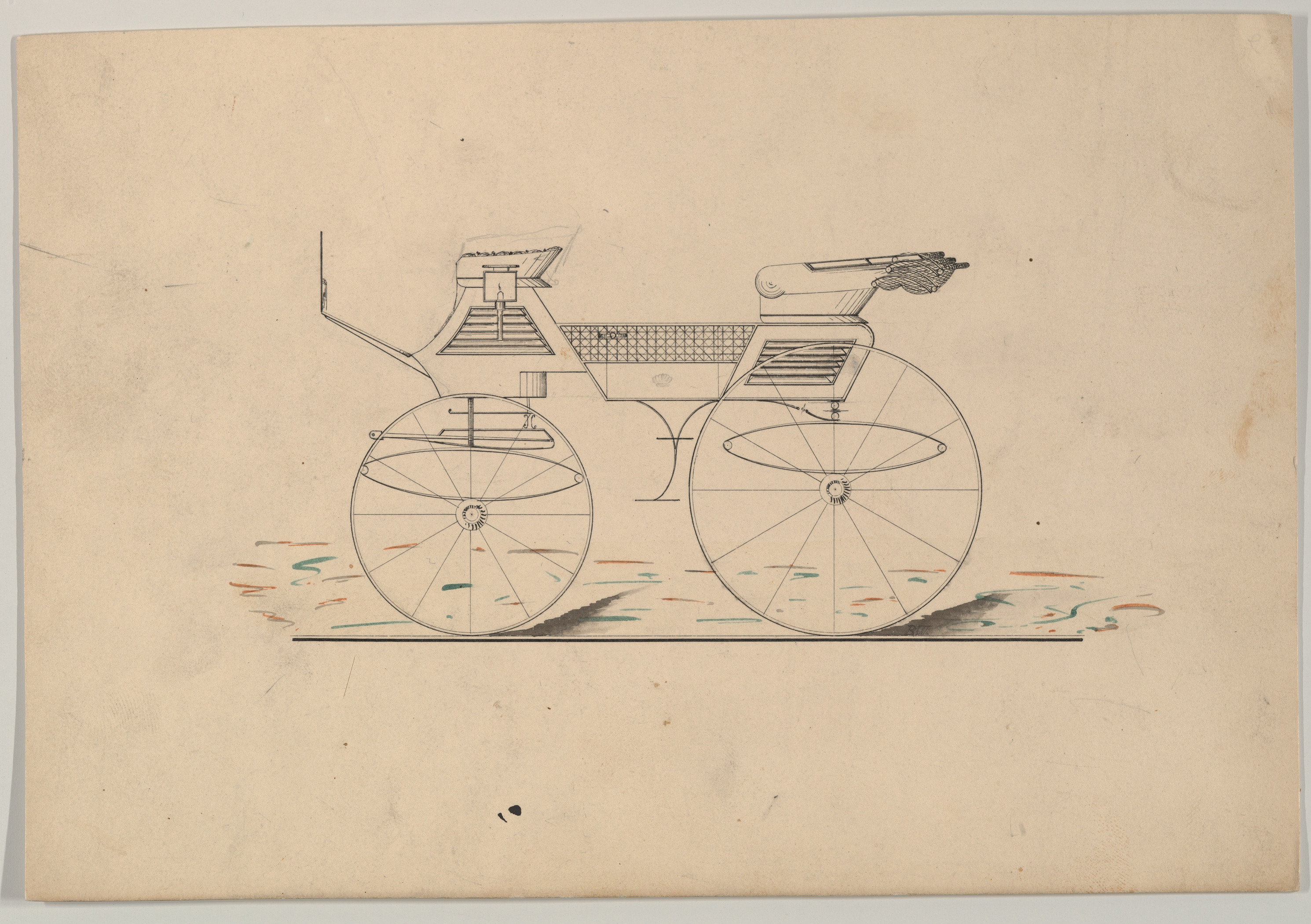
Phaeton Unnumbered: An Aesthetic Archaeology of Line and Luminescence
The designation “Phaeton” within the Natalie Fashion Atelier archive denotes more than a mere vehicular reference; it signifies a paradigm of motion arrested in a state of poised velocity. In the context of aesthetic archaeology, this unnumbered study—rendered in graphite, pen, black ink, and watercolor—operates as a palimpsest of classical proportion overlaid with the urgency of modern dynamism. For the 2026 couture season, the Phaeton is not a nostalgic reproduction but a generative matrix, a source code for silhouettes that negotiate the tension between sculptural stasis and fluid propulsion. This artifact demands a technical deconstruction that moves beyond surface mimicry to extract its underlying architectural principles.
I. The Graphite Underdrawing: The Skeleton of Restrained Opulence
The initial graphite strokes in the Phaeton study are not tentative; they are assertive cartographies of the human form. These lines, visible beneath the translucent watercolor washes, establish a canon of proportions that echo the Greco-Roman ideal—specifically the contrapposto stance that imbues the figure with a latent, coiled energy. For 2026, this translates into a radical departure from the prevailing trend of exaggerated, volume-driven silhouettes. Instead, the Atelier proposes a return to the “internal architecture” of the garment.
Technically, the graphite line informs the seam placement and panel construction of our forthcoming haute couture pieces. We are developing a series of columnar gowns and sharp-shouldered tailoring where the primary seam is not a functional afterthought but a drafting directive. The line descends from the acromion, traces the lateral contour of the thorax, and terminates just below the iliac crest, creating a visual “cut” that lengthens the torso. This is achieved through a process of negative-pattern drafting, where the fabric is cut to follow the internal logic of the sketch, not the external drape of the mannequin. The result is a silhouette that feels almost chiseled, a garment that holds its shape with the tensile strength of a drawn line, yet moves with the fluidity of a watercolor bleed.
II. Pen and Black Ink: The Precision of the Contour and the New Tailoring
Where graphite suggests, the pen and black ink defines. The ink in the Phaeton artifact is used for the final, decisive contour—the edge that separates the figure from the void. This is the language of haute couture precision, a system of absolute clarity in which every millimeter is intentional. In the 2026 collection, this ink line translates into the boundary of the garment itself. We are exploring a technique we term “ink-edge tailoring,” where the hem, the neckline, and the cuff are not merely finished edges but are treated as drawn boundaries—crisp, unyielding, and graphic.
This is realized through the use of horsehair braid and melted-edge organza, applied with a precision that mimics the stroke of a rapidograph pen. The ink also dictates the negative space within the silhouette. The Phaeton study reveals a significant amount of untouched paper between the figure and the edge of the sheet. This is the “void of influence”—the space that the garment does not occupy but which it commands. For 2026, this informs our asymmetric closures and high-side slits. These are not merely provocative; they are strategic voids that delineate the silhouette’s authority. The black ink line, therefore, becomes a tool for graphic subtraction, carving the body’s form out of the surrounding air with the same confidence that the artist carved the figure from the page.
III. Watercolor Wash: The Chromatic Drape and the Luminescent Body
The watercolor in the Phaeton artifact is the element of transience, the antithesis of the ink’s permanence. The washes are applied in thin, overlapping glazes, creating a sense of depth without opacity. This is the most critical translation for 2026: the move from solid fabric to chromatic atmosphere. The Atelier is pioneering a new fabric development process involving gradient-dyed silk gazar and lacquered tulle to replicate this effect. The color is not printed on the surface but is infused into the fiber, allowing the light to pass through the garment and illuminate the skin beneath, creating a luminous interiority.
The watercolor’s bleed—where one hue dissolves into another without a hard boundary—informs our approach to drape and bias-cutting. In the Phaeton, the wash suggests a fabric that is both weightless and viscous, clinging to the form yet suggesting flight. For 2026, this is achieved through a technique of “liquid tailoring.” We are constructing gowns in panels of bias-cut charmeuse that are then bonded to a micro-thin layer of silicone-coated jersey. This creates a fabric that behaves like a liquid metal—it pools at the feet with the density of a watercolor shadow but ripples with the fluidity of a brushstroke when the wearer moves. The silhouette is no longer a fixed shape but a series of shifting chroma zones, where the color and the form are in a state of continuous, elegant flux.
IV. Synthesis: The Phaeton Silhouette for 2026
The synthesis of these three materialities—graphite, ink, and watercolor—yields the definitive Phaeton silhouette of 2026: the “Fluid Armature.” This is not a single garment but a system of dress characterized by three distinct principles.
First, the Armature: a structured, ink-line-defined bodice or tailored jacket, often in a high-twist wool or rigid faille, that provides the architectural skeleton. This piece holds the body in a state of poised tension, echoing the graphite underdrawing. Second, the Fluid Extension: a skirt or train executed in the liquid, watercolor-inspired fabric, which cascades from the armature’s precise edge. This extension is cut with a complex geometric flare—derived from the watercolor bleed—that allows it to expand and contract with the wearer’s stride. Third, the Chromatic Veil: an outer layer of lacquered tulle or gradient silk that hovers over the entire ensemble, creating a subtle, translucent aura that mimics the watercolor glaze over the graphite.
This is the classical elegance deconstructed. It is not the static perfection of a Grecian urn, but the dynamic perfection of a chariot in mid-flight. The Phaeton for 2026 is a garment that respects the past’s commitment to line and proportion, yet embraces the contemporary need for movement and ethereality. It is a study in controlled abandon, where the precision of the ink is softened by the poetry of the wash, and the strength of the graphite is veiled by the luminosity of color. The result is a haute couture silhouette that is both a historical artifact and a futuristic prophecy—a true testament to the enduring power of aesthetic archaeology.