An Aesthetic Archaeology: Deconstructing the Classical Gaze
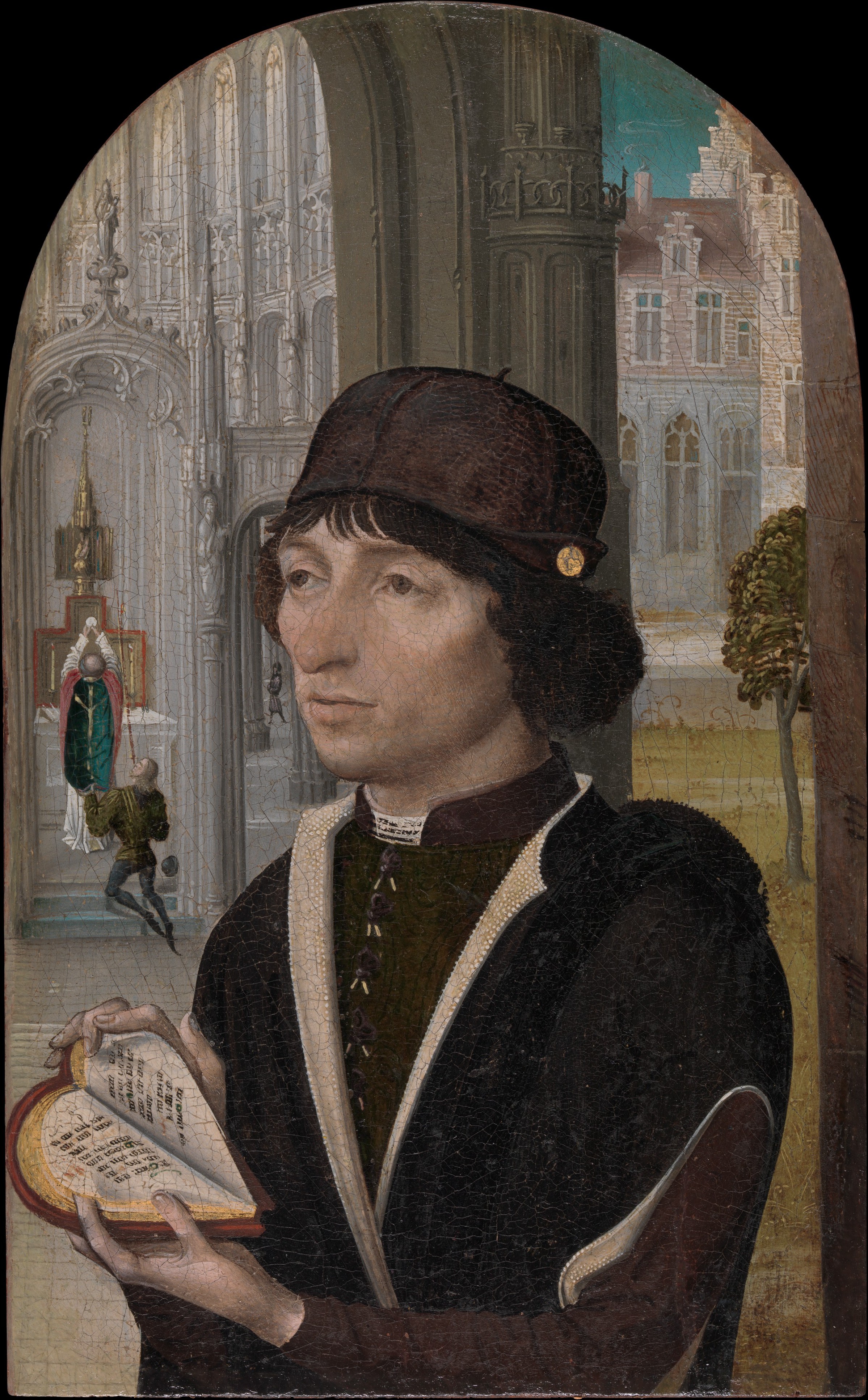
The isolated artifact under examination—Young Man Holding a Book, rendered in oil on wood—presents a compelling case study in the transmission of aesthetic value across centuries. Within the archival silence of its provenance, the work speaks with remarkable clarity to the principles of restraint, intellectual poise, and material integrity. For the 2026 couture cycle at Natalie Fashion Atelier, this painting is not merely a historical curiosity but a functional blueprint. It demands a deconstruction of the male silhouette that moves beyond contemporary notions of casual athleticism, re-centering the discourse on a structured, contemplative elegance that has lain dormant in the Western canon. The sitter’s posture—the slight inclination of the torso, the deliberate cradle of the volume against his chest—offers a kinetic vocabulary that we must translate into tailored architecture.
Materiality as a Semiotic Field: Oil, Wood, and the Fabric Analogue
The substrate of the work is its first and most profound lesson. Oil on wood provides a density of pigment and a luminosity of surface that canvas cannot replicate. The wood panel offers a rigid, unyielding support, forcing the painter into a precision of stroke that mirrors the discipline of haute couture tailoring. In translating this to 2026, we must consider the structural analogies between the panel and the modern silhouette. The wooden ground suggests a return to rigid, molded interlinings—not the soft, fused canvases of mass production, but the meticulously basted horsehair and wool chest pieces that define a sculptural jacket front. The oil’s inherent depth, its ability to absorb and reflect light in subtle gradations, finds its fabric equivalent in double-faced cashmere and densely woven vicuña, materials that possess a similar internal luminosity and a weight that drapes with authoritative stillness.
From Pigment to Texture: The Tactile Translation
The artist’s handling of oil—visible in the fine, directional brushstrokes that model the young man’s face and the folds of his garment—dictates a textile language of surface variation and tonal depth. For 2026, we propose a departure from flat, monochromatic suiting. Instead, the silhouette will be articulated through jacquard weaves that mimic the painterly impasto, creating a micro-topography of light and shadow on the shoulder and sleeve. The wood grain, subtly visible beneath the paint in the artifact’s less-treated areas, suggests a concept of revealed structure. This informs a design philosophy where the internal construction is not hidden but celebrated—through exposed seam allowances, contrast piping in a darker tonal family, or a deliberate peeking of the canvas under the lapel. The garment becomes a palimpsest, with the historical technique of construction visible as a ghost layer beneath the contemporary exterior.
The Contemplative Silhouette: Posture and the Architecture of the Book
The subject’s relationship to the book is the central compositional and conceptual fulcrum. He does not read; he holds. The book is an object of intellectual weight, a physical anchor that organizes his upper body into a geometry of protection and presentation. This gesture—the arm bent at a precise angle, the hand supporting the volume’s base—generates a new set of proportions for the 2026 jacket. We must design for the “held space” between the bicep and the ribcage. The traditional two-button stance is insufficient. Instead, we propose a single, high-closure buttoning point, positioned to create a clean, unbroken diagonal from the shoulder to the waist, echoing the line formed by the sitter’s supporting arm. The shoulder itself is not the exaggerated, padded expanse of the 1980s, but a natural, slightly extended line that suggests strength without aggression, mirroring the quiet confidence of the painted figure.
Proportional Shifts: The High Armhole and the Extended Torso
To accommodate this contemplative posture, the 2026 silhouette will feature a higher armhole and a narrower sleeve cap. This is a critical technical adjustment. It allows for a full range of motion while maintaining a clean, unbroken line when the arm is bent to hold a book, a glass, or simply to gesture in discourse. The torso is elongated, with the waist suppression placed lower than the anatomical waist, creating a longer, more aristocratic line that recalls the elegance of the painting’s era. Trousers will follow a similar logic: a high-rise, straight-leg cut with a subtle taper that breaks just above the shoe, avoiding any pooling of fabric that would disrupt the verticality of the figure. The overall effect is one of vertical compression—a column of fabric that moves with the body but never loses its architectural integrity.
Chromatics of Restraint: A Palette from the Panel
The color palette of the painting—likely a somber ground of deep browns, blacks, and the warm, flesh-toned highlights of the sitter’s face—provides a sophisticated chromatic directive. We are moving away from the saturated, digital-friendly hues of recent seasons. The 2026 palette is one of nocturnal neutrals and earthy umbers. Consider a primary offering in “Panel Black,” a color that is not a pure black but a blend of charcoal, burnt umber, and a hint of indigo, offering depth and warmth rather than flatness. This is paired with “Oil Ochre,” a muted, golden yellow that recalls the varnish’s patina, used for a signature lining or a subtle topstitch. The skin tone of the young man—a pale, luminous ivory—translates into a new iteration of “Atelier Ivory,” a crisp but softly textured cotton or silk poplin for shirts and neckwear, designed to frame the face with a painterly glow.
Conclusion: The Living Archive
The isolated artifact of Young Man Holding a Book ceases to be a passive image when subjected to the rigorous lens of aesthetic archaeology. It becomes a generative source code for a new luxury. The 2026 silhouette at Natalie Fashion Atelier is not a costume or a pastiche; it is a structural and philosophical response to the painting’s core values: restraint, intellectual gravity, and a profound respect for material. The oil’s depth informs our fabric selection; the wood’s rigidity dictates our tailoring architecture; the subject’s posture defines our proportional system. This is the essence of haute couture—not to copy the past, but to distill its essence into a garment that speaks fluently to the present, offering a silhouette of quiet, powerful authority for the discerning man of the future.