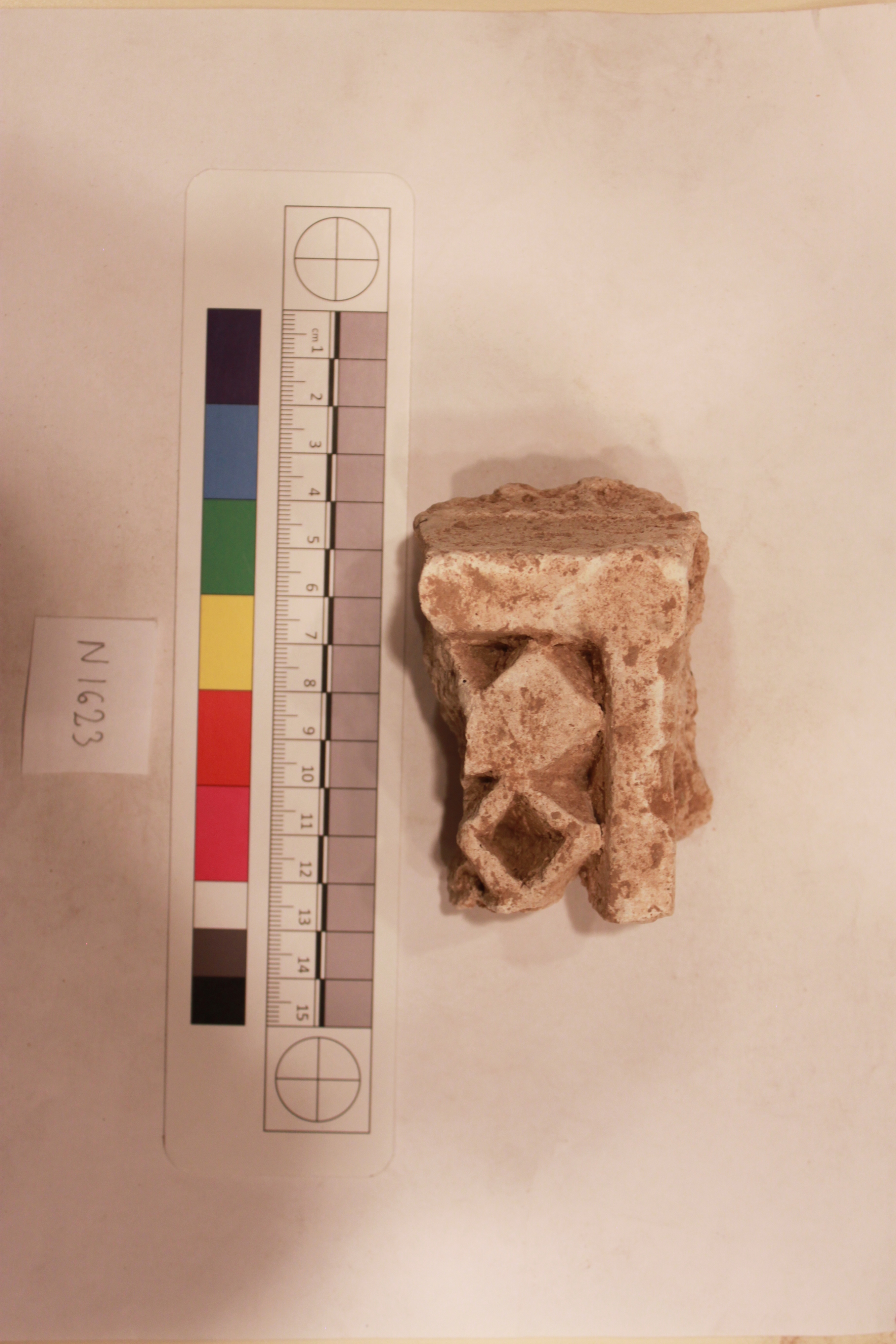
Artifact Exegesis: The Stucco Fragment as a Lexicon of Form
The isolated stucco fragment, a relic of architectural grandeur, presents not as a mere decorative afterthought but as a concentrated treatise on classical elegance. Its very condition—fractured, partial—invites a forensic deconstruction. The materiality of carved and painted stucco is inherently paradoxical: it is a humble plaster, yet through artisan intervention, it achieves the illusion of weighty stone or intricate wood, subsequently elevated by polychrome fantasy. This dialogue between the substantial and the illusory, the structural and the superficial, forms the core hermeneutic for translating this artifact into the lexicon of 2026 haute couture. The fragment’s heritage, while globally resonant, is interpreted here through a specifically Parisian lens—one that values the intellectual rigor of deconstruction alongside the sensual pleasure of adornment.
Deconstructing the Classical Grammar: Line, Volume, and Patina
A technical analysis reveals a tripartite grammar. First, the Line: carved stucco work is defined by its incision—a definitive, confident groove that creates shadow and delineates form. This is not the soft drape of fabric but the decisive cut of the chisel. It speaks to precision, to an architecture imposed upon material. Second, the Volume: despite its bas-relief nature, the fragment manipulates perception through graduated depth. Foliage may swirl from a shallow plane to a more pronounced apex, creating a rhythm of projection and recession. This is a controlled, rhythmic volume, never chaotic. Third, the Patina: the surviving paint layers, however faded, indicate a original intention that combined local color with simulated effects (marble veining, gilt highlights). The resulting surface is a palimpsest of time, where the underlying white plaster might peer through, creating a complex, non-uniform finish that tells a story of existence.
Transmaterialization: From Architectural Plaster to Haute Couture Silhouette
The transposition of this grammar to the human form for the 2026 Natalie Atelier collections requires a process of transmaterialization—the conceptual translation of one material’s properties into another. The objective is not literal replication but the capture of essence, achieving the fragment’s poised tension between solidity and illusion.
The Incisive Silhouette: Architecture as Dart
The definitive, carved line finds its sartorial equivalent in the hyper-precise tailoring line and the strategic deployment of structural darts. For 2026, we move beyond the soft shoulder. Imagine a tailored jacket where the seam from neck to shoulder is not merely a join but a pronounced, carved groove, emphasized by a contrasting piping or a recessed channel of silk. Darts will be exaggerated, not hidden—transformed from functional elements into graphic, linear decorations that map the body’s topography like chisel marks on plaster. This creates a silhouette that appears architecturally assembled, yet on closer inspection, reveals the softness of wool or cashmere. The line, as in stucco, creates the foundational shadow and definition.
Rhythmic Volume: Controlled Projection and Recession
The fragment’s graduated volume informs a new approach to fullness. The 2026 silhouette will embrace asymmetrical and rhythmic volume, rejecting uniform puffiness. Inspired by the bas-relief, a gown may feature a bodice that is taut and shallow, like the background plane, from which a single, sculpted ruffle emerges at the hip, cascading in a controlled spiral—a translation of carved acanthus leaves. This volume is directional and specific, creating points of visual projection while other areas of the garment remain sleek and recessed. Techniques like internal boning with horsehair or sculpted crinoline will be used not to create a full skirt, but to engineer isolated, architectural forms that extend from the hip or shoulder, mirroring the stucco’s play of depth.
The Palimpsest Finish: Patina as Surface Narrative
This is perhaps the most profound translation. The painted, time-worn patina of the fragment dictates a move beyond pristine fabrics. For 2026, luxury will express itself through complex, layered surface treatments that emulate a narrative of wear and artistry. Imagine a duchesse satin gown, first dyed a deep terre verte, then over-painted by hand with metallic faux-finis (false finishes) to mimic peeling gilt, allowing glimpses of the undercolor to show through—a direct reference to the fragment’s layered paint. Techniques like devoré, strategic abrasion, and multi-pass embroidery will create textiles that are tactile palimpsests. A tailored coat may have areas of dense, raised embroidery adjacent to zones of finely cracked leather, simulating the craquelure of aged pigment. This finish challenges the notion of the "new," proposing instead a luxury of authored antiquity and depth.
Conclusion: The Archaeology of the Future Silhouette
The isolated stucco fragment, through the methodology of aesthetic archaeology, ceases to be a static relic. It becomes a dynamic blueprint. For Natalie Fashion Atelier’s 2026 vision, it mandates silhouettes that are incisively architectural yet poetically weathered. The classical elegance deconstructed is one of intelligent contrast: between the sharpness of the line and the softness of the form it defines, between the boldness of a rhythmic volume and the restraint of its negative space, between the initial brilliance of creation and the beautiful, inevitable narrative of patina. The resulting couture is not a costume of the past but a progressive articulation of memory in form—garments that carry the intellectual weight and crafted soul of the fragment, engineered for the contemporary body and sensibility. This is the essence of Parisian elegance: an eternal dialogue between the enduring principles of the past and the inexorable innovation of the future, rendered in a stitch, a seam, and a story-worn surface.