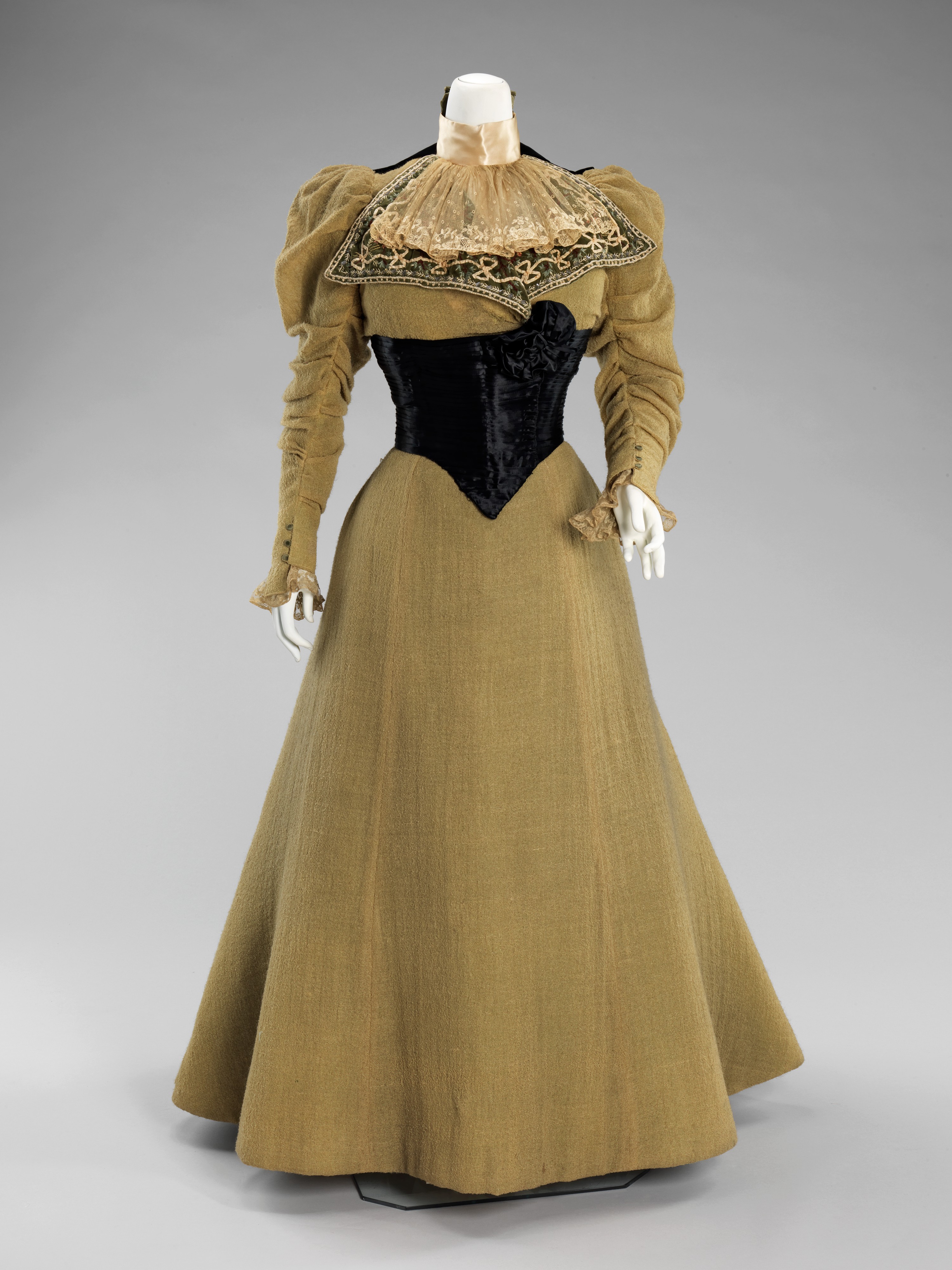
Archaeology of an American Silhouette: Deconstructing Classical Elegance
Within the isolated vaults of aesthetic archaeology, certain garments resonate not merely as artifacts but as silent manifestos of a national identity in flux. For Natalie Fashion Atelier, the examination of a specific American dress heritage—the tailored wool and silk ensembles of the mid-20th century, circa 1947-1955—provides a profound case study in constructed elegance. This period, emerging from the austerity of war, saw American designers like Norman Norell, Charles James, and the early work of Anne Fogarty synthesize European couture principles with a distinctly pragmatic, dynamic femininity. The resulting silhouette was not an inherited aristocracy of form, but an engineered elegance: confident, clean, and strategically opulent. Through a technical deconstruction of its material dialectic—the structural wool and the expressive silk—we unearth a blueprint for 2026 luxury, where integrity of construction and intelligent sensuality redefine the haute silhouette.
Material Dialectic: The Wool Substructure and the Silk Superstructure
The classical American elegance of this archive is fundamentally a tale of two materials operating in precise, hierarchical synergy. The wool, typically a resilient crepe or a finely woven flannel, served as the architectural substructure. Its purpose was foundational: to create and maintain a specific, clean silhouette through meticulous tailoring. Darts were precisely calculated to follow the natural contours of the torso without constriction, while internal constructions—horsehair canvas interfacings, boned seams, and weight-distributing waist stays—were engineered for invisible support. This wool base was not merely a shell; it was a calibrated chassis, providing what we term “dynamic posture”—a silhouette that moved with the wearer’s body while retaining its essential graphic shape.
Conversely, the silk—manifest as lustrous satin linings, delicate crepe de Chine blouses, or cascading faille bows—constituted the superstructure of emotion and tactility. Its role was psychosensorial. The cool, smooth glide of a silk lining against the skin transformed the act of dressing into a private luxury, while external silk elements introduced fluidity, light, and a soft counterpoint to wool’s matte authority. This was not mere decoration; it was a calculated release of tension. The material dialectic established a powerful narrative: strength articulated through softness, authority tempered by allure. The intelligence of the design lay in this binary integrity; neither material compromised the other, but together they created a whole greater than the sum of its parts.
Deconstructing the Core Principles: Architecture, Propriety, and Isolated Opulence
Three core principles emerge from this archaeological study, principles that move beyond period style to become timeless tools for silhouette engineering.
1. The Autonomous Architecture: The silhouette was self-sufficient, requiring no external embellishment to command presence. Its power derived from impeccable proportion, the strategic placement of seams to elongate the body, and the subtle manipulation of fabric over the structured form. The celebrated “American Look” was, in essence, a mastery of negative space and controlled volume, creating an aura of confident ease.
2. Strategic Propriety and Revelation: Elegance was defined by a rigorous editing process. Coverage was not conservative, but strategic—a high neckline or a long sleeve served to heighten the impact of a revealed back, a slit, or the delicate skin at the wrist. This principle of “isolated revelation” created a potent, intellectual sensuality, where desire was directed by design.
3. The Isolated Opulence of the Detail: Opulence was not diffuse but concentrated. A single, exquisite silk bow at the décolleté, a perfectly executed buttonhole on a wool cuff, a plunge line finished with a hidden silk bias binding—these were moments of concentrated luxury that rewarded closer inspection. This philosophy champions the “hyper-crafted detail” as the ultimate signifier of value, a concept paramount for 2026 connoisseurship.
Informing the 2026 Silhouette: A Synthesis for the Connoisseur
The translation of this isolated archaeology into the 2026 luxury lexicon requires not replication, but resonant synthesis. The forthcoming silhouette will be defined by a new materialism and intellectual construction.
The Neo-Chassis: The foundational wool substructure evolves into advanced material hybrids. Imagine lightweight, molded wools fused with technical polymers for memory-shape, or quilted wool-silk composites that provide thermal regulation and a new, padded graphic line. The 2026 dress will feature an “exoskeletal interior”—internal boning or flexible resins integrated seamlessly to create sculptural, self-supporting forms that eliminate traditional infrastructure, offering liberation through engineering.
The Sensorial Superstructure: Silk’s role expands into the realm of engineered sensation. We will deploy liquid silk matte jerseys for draped, body-conscious layers that contrast with rigid wool forms. Silk will be treated for texture contrast—embossed, devoré, or fused into technical laminates that change transparency under light or movement. The dialectic becomes more pronounced: ultra-structured, matte wool volumes will be slit, pierced, or open to reveal interiors of unexpected, sensuous silk treatments, making the private experience of the garment a core component of its design narrative.
The Silhouette Code: The 2026 outcome is a silhouette of architectural ease and intelligent contrast. We propose the "Draped Carapace"—a dress with a sharp, wool-tailored bodice that dissolves into a waterfall of silk georgette from the hip. Or the "Aperture Dress," where a severe wool column is interrupted by geometric cut-outs revealing a second skin of bonded silk. The principle of isolated opulence manifests in closures: magnetic silk-covered fasteners, or lacings of wool cord backed with silk satin.
In conclusion, the isolated American archive teaches us that true elegance is a logical system. It is the engineering of posture, the psychology of material contrast, and the elevation of detail to doctrine. For 2026, Natalie Fashion Atelier will advance this legacy by creating dresses that are architecturally intelligent and sensually profound. We move beyond nostalgia to offer the connoisseur a new classicism: garments where every seam, material interface, and revealed moment is the result of a deliberate, archaeological calculus, re-establishing the dressed body as the most compelling site of aesthetic innovation.