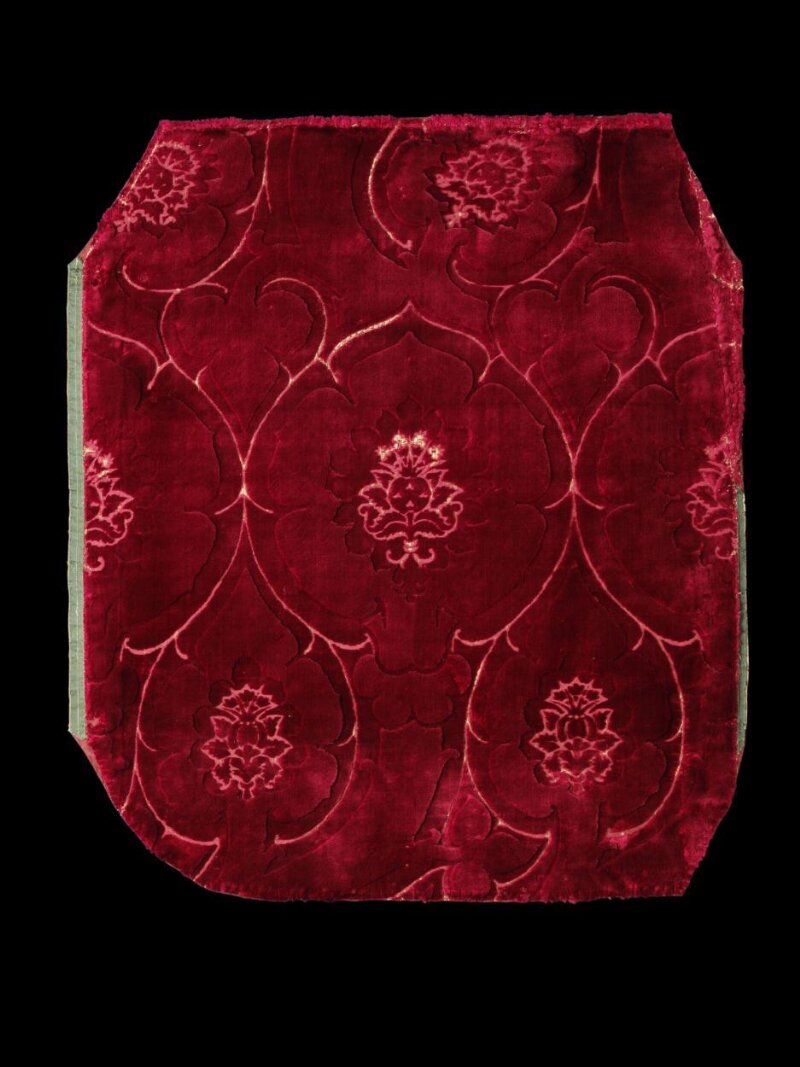
Couture Archaeology Report: Velvet in the Second Renaissance
Subject: Technical Deconstruction of 15th-Century Italian Velvet
Report Code: NFA-ARCH-ITVEL-001 Period: Second half of the 15th century (circa 1450-1500) Origin: Republics of Venice, Florence, and Genoa Senior Historian: Natalie Fashion Atelier Textile Archive
This report provides a technical analysis of the velvet production techniques, material ontology, and cultural significance of Italian velvets from the stated period. The objective is to deconstruct their inherent properties to inform and inspire the 2026 high-end luxury collection, proposing a translation of historical materiality into contemporary silhouettes that resonate with modern codes of opulence and consciousness.
Technical Deconstruction: The Architecture of Light
Fifteenth-century Italian velvet was not merely a fabric; it was a constructed, three-dimensional textile architecture. Its luxury was engineered through complex loom technology and unparalleled artisan skill.
Weave Structure and Pile Formation
The foundational technique was the use of a drawloom, which allowed for the integration of supplementary warp threads to create the pile. The genius lay in the manipulation of two distinct sets of warp threads: the ground warp (forming a base of linen or silk) and the pile warp (high-quality silk). The use of metal rods inserted during weaving determined pile height and character. A flat rod produced a looped pile (cio), while a blade-edged rod, later cut, created the signature cut pile. The most luxurious examples combined both in a single cloth, creating contrasting textures of ciselé velvet.
The pile ratio was exceptionally high, often with more pile warp than ground warp, resulting in a dense, plush surface that consumed vast quantities of raw silk. The weight and drape were substantial, creating a fabric that moved with a slow, heavy fluidity, absorbing and reflecting light from myriad miniature vertical columns.
Materiality and Chromatic Alchemy
The materiality of these velvets was defined by three pillars: fiber, dye, and metallics.
Silk: Primarily used was high-twist organzine silk for the pile, offering resilience and a sharp, light-reflective edge. The quality of the Italian silk thread, rivaling that of the East, was non-negotiable.
Dyes: The legendary depth of color was achieved through sequential dyeing processes. The most prized was velluto di porpora, utilizing kermes (a scale insect) to produce a crimson of unparalleled warmth and fastness. Woad and later indigo provided profound blues. The process often involved dyeing the silk in the thread (in matassa) before weaving, ensuring saturation.
Metallic Integration: True cloth of gold velvets incorporated flat strips of silver or gold (wound around a silk core) as supplementary wefts. These were woven into the ground, appearing in the background of patterns, creating a literal and luminous wealth of texture. The contrast between the matte, light-absorbing pile and the shimmering metallic ground was the period's pinnacle of textile splendor.
Pattern and Symbolic Language
Patterns were large-scale, symmetrical, and vertically oriented, designed to align with the human form. Common motifs included the pomegranate (symbolizing fertility and resurrection), the pinecone, and intricate arabesques adapted from Ottoman imports. These were not mere decoration but a heraldic language of power woven directly into the material. The precision of pattern alignment across seams in surviving garments indicates an extraordinary level of planning and fabric consumption, a testament to conspicuous, artisanal luxury.
Translation for Natalie Fashion Atelier 2026 Collection
The translation for 2026 must move beyond pastiche, capturing the engineering spirit and phenomenological impact of the original velvets while adhering to modern luxury ethics and aesthetics. We propose a focus on "Material Intelligence" and "Sculpted Light."
Technical Reinterpretation: The New Velvet Matrix
Bio-Engineered Pile: Replace traditional silk with a regenerative silk-alternative (e.g., lab-grown silk protein or luxury-grade lyocell) engineered to have a higher refractive index, enhancing chromatic depth. The pile structure should be innovated—consider variable-height pile woven using AI-assisted looms to create subtle, tonal patterns (like topographical maps) that emerge only upon movement.
Alchemical Dyeing: Partner with biotech firms to develop organic, hyper-concentrated dyes derived from microbial fermentation, achieving the legendary saturation of kermes but with genomic consistency and sustainability. Explore structural color techniques on the cut ends of the pile to create iridescent effects that shift from crimson to aubergine, echoing the play of light on historic cloth of gold.
Metallic Reimagined: Discard metal threads. Instead, develop a metallic yarn through vacuum-deposition coating of a cellulose base, creating an ultra-lightweight, fully recyclable thread with mirror-like reflectivity. Alternatively, use laser etching on a contrasting ground fabric to create micro-reflective patterns beneath a sheer velvet overlay.
Silhouette Translation: Architecture of the Body
The 15th-century silhouette was a canvas for the fabric. The 2026 silhouette must be a co-creation with the fabric's behavior.
The Fluid Volume: Create volume not through rigid understructures but through the fabric's own weight and drape. Propose a deconstructed "giornea"—an oversized, open-sided coat with immense, fluid sleeves, the pile direction engineered to cascade like liquid. Seams should be minimal and strategically placed to allow the fabric to fall in monolithic folds.
The Sculpted Column: Develop a body-conscious column gown using a velvet with a bi-directional pile. The pile is woven to lie flat against the body in specific zones (creating a sleeker effect) and rise vertically in others (creating volume and shadow), effectively sculpting the silhouette through textile alone.
Modern Ciselé: Use the technique of mixed pile heights to create tactile, tonal logos or abstract patterns for the NFA house. A minimalist, repeating motif felt rather than seen, speaking to a new, intimate language of luxury.
Conclusion: The Velvet Principle
The 15th-century Italian velvet masters understood that luxury was a deep manipulation of material, light, and symbol. For the 2026 Natalie Fashion Atelier collection, we must adopt this principle, not the artifact. By leveraging contemporary technology and a sustainable ethos, we can create velvets that possess the same awe-inspiring material intelligence, depth, and transformative power. The result will be a collection that does not reference history but re-engages with its fundamental ambition: to create, from thread and ingenuity, an object of profound and undeniable beauty. The new velvet will not just be worn; it will be experienced.