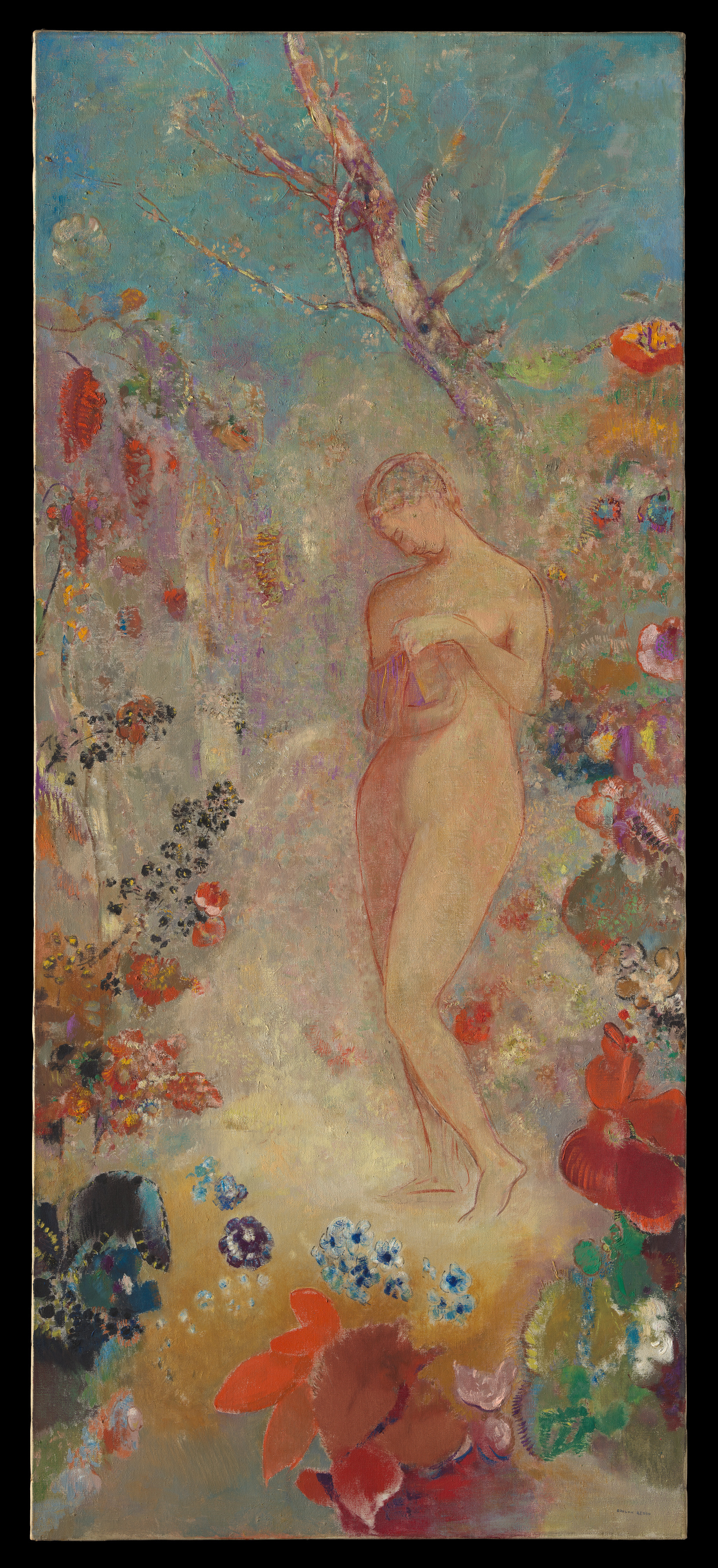
Pandora Recontextualized: Aesthetic Archaeology and the 2026 Silhouette
Within the isolated context of aesthetic archaeology, an artwork ceases to be merely a historical artifact; it becomes a stratified site of formal codes, symbolic gestures, and technical challenges. The mythological subject of Pandora, as rendered in the classical European tradition of oil on canvas, presents such a site. For Natalie Fashion Atelier, this is not an exercise in mythological illustration but a rigorous deconstruction of a specific visual grammar—the grammar of classical elegance. This grammar, defined by contrapposto, controlled revelation, allegorical drapery, and a profound tension between ideal form and narrative consequence, provides a foundational matrix for the 2026 luxury silhouette. The forthcoming analysis posits that the 2026 couture form will be characterized by a neo-structural romanticism, directly informed by the deconstructed principles extracted from this heritage.
Deconstructing the Classical Elegance: Pandora's Anatomical Blueprint
The classical depiction of Pandora, often in the moment of opening the famed pithos, is a masterclass in balanced tension. The elegance is not passive but dynamic, engineered through precise anatomical and sartorial mechanics. Firstly, the contrapposto stance establishes a harmonic asymmetry—a weight-bearing leg creating a stable vertical, countered by a relaxed leg introducing a soft curve to the hip line. This creates a foundational silhouette of opposing forces, a concept we translate as “architectural poise.” Secondly, the treatment of drapery is never arbitrary. Fabrics cling to reveal the idealized form of the shoulder, breast, and thigh, while simultaneously billowing or falling away to obscure and suggest. This dialectic of revelation and concealment is the core of sophisticated allure. The fabric itself often acts as an allegorical extension of the narrative—a swirling cloak may symbolize the escaping evils, a delicate, slipping sheath her innocent curiosity. The materiality of oil paint is crucial here; its viscosity allows for the rendering of both diaphanous gauze and heavy brocade, of luminous skin and deep, shadowed folds, all within a single, cohesive tonal atmosphere.
From Pigment to Pattern: Transposing Heritage into a 2026 Framework
The transposition of these painted principles into a three-dimensional, wearable architecture requires a technical decomposition. Our atelier’s methodology moves from pigment to pattern via three key operations.
1. The Structural Line of Contrapposto: The 2026 silhouette abandons symmetrical rigidity for a silhouette built on a single, fluid line of balance. This is achieved not through posture alone, but through internal construction. Imagine a gown where the internal corsetry is engineered to subtly lift one hip, creating a natural, unforced curve that echoes the painted stance. Seam lines will follow this anatomical mapping, with diagonal bias cuts originating from the weighted hip, creating a cascade of fabric that emphasizes the body’s natural torque. This results in a silhouette that appears effortlessly poised, its complexity hidden within the foundational structure.
2. The Allegory of Drapery and Modern Materiality: The classical dialectic of reveal/conceal is reinterpreted through contemporary textile science and cutting techniques. The 2026 collection will feature “intelligent draping,” where a single length of fabric—a modern analogue to the painted robe—is manipulated to perform multiple functions. A section may be laminated to hold a sculptural, body-revealing curve across the torso, while the same fabric, untreated, flows into a soft, obscuring cloud at the hem. We look to the materiality of oil paint itself: its layering, its glaze, its impasto. This translates to techniques like thermal bonding of sheer and opaque jerseys to create a single textile with variable transparency, or the use of resin-coated silks that hold a precise, painted-on fold. The “allegory” is now one of technical mastery and material innovation.
3. The Chromatic Atmosphere and Monolithic Elegance: The unified, often somber yet luminous tonal palette of Old Master paintings informs a move away from blatant color blocking. The 2026 palette will be monolithic yet stratified. A single gown may explore up to fifteen tonal variations of, for instance, terre verte or burnt umber, achieved through fabric dyeing, embroidery thread gradients, and the strategic application of translucent overlays. This creates a silhouette of profound depth and sophistication, where the form is accentuated by shadow and light woven into the very fabric, rather than applied by an external light source. The silhouette becomes a self-contained environment, much like the figure of Pandora within her painted world.
The 2026 Silhouette: Neo-Structural Romanticism
The synthesis of these deconstructed elements crystallizes as the 2026 signature: Neo-Structural Romanticism. This silhouette is romantic in its allusion to the body’s idealized form and its use of emotive, flowing fabric. It is resolutely structural in its hidden engineering, its precision-cut seams, and its technically advanced material hybrids. It is a silhouette that carries the weight of narrative—not of Pandora’s myth per se, but of the narrative of craftsmanship itself.
The final 2026 form will possess a serene, almost statuesque exterior belying its complex internal architecture. It will feature asymmetrical hemlines that respond to the contrapposto line, bodices that combine rigid boning with unexpectedly soft, draped necklines, and skirts that transition from sleek, painted-on sheaths to explosive, allegorical volumes. This is the legacy of the isolated aesthetic artifact: it provides not a motif to copy, but a system of elegance to decode and re-engineer. For Natalie Fashion Atelier, Pandora’s box, once opened, releases not chaos, but a refined new set of principles for constructing beauty—a blueprint for the future, meticulously excavated from the past.