The Curtain as Couture: An Archaeological Deconstruction of Draped Luminosity for 2026
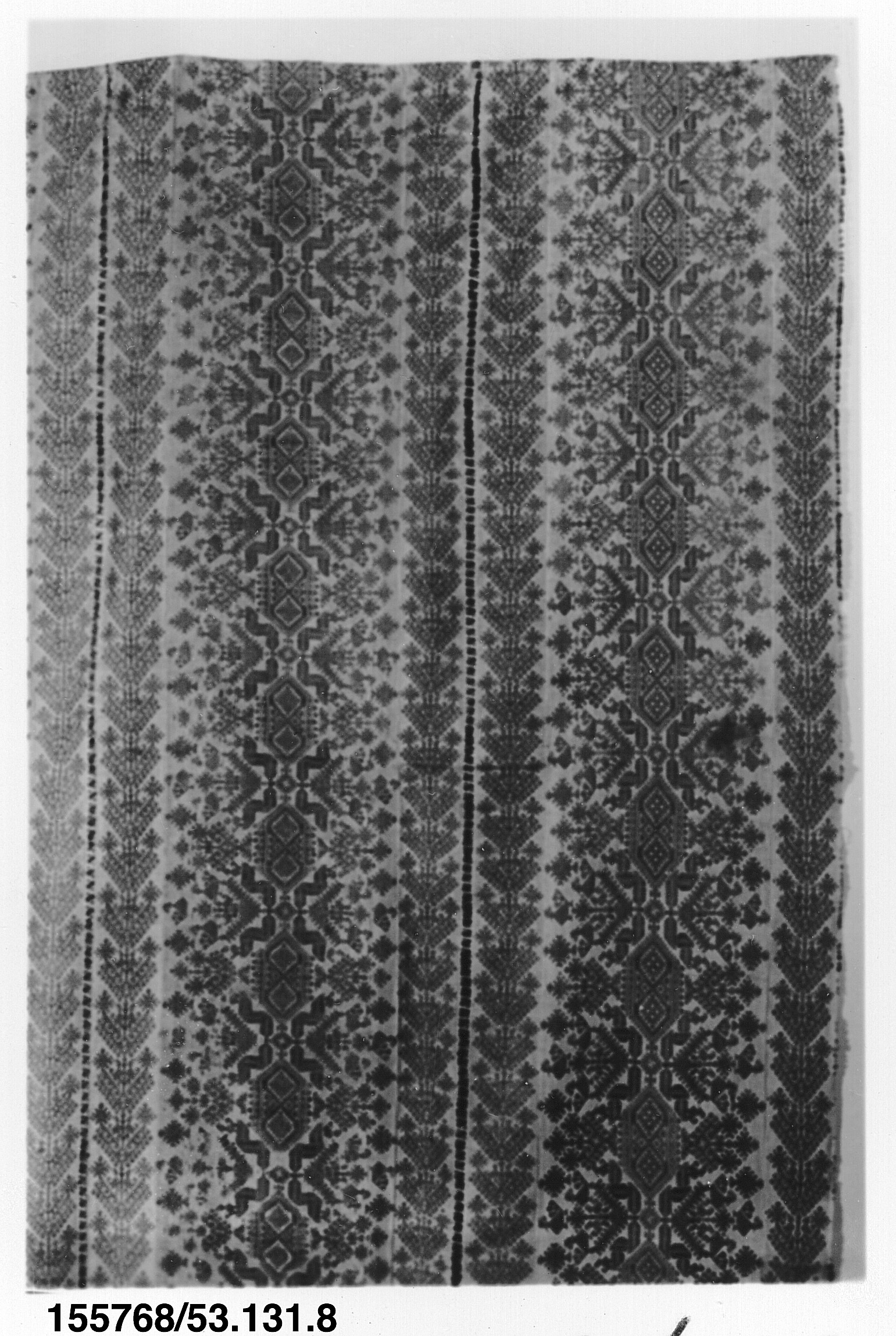
Within the silent archives of Natalie Fashion Atelier, we encounter an artifact of profound, yet unassuming, elegance: a bed curtain. Not a royal canopy, nor a theatrical drape, but a domestic object of pure, functional grace. Its heritage is global—a synthesis of European linen cultivation and the silk routes of the East—yet its voice is singular. Through the lens of aesthetic archaeology, we isolate this object from its historical context, not to reconstruct a past, but to deconstruct a principle. The bed curtain is a masterclass in controlled volume, ambient light, and the architecture of suspension. For the 2026 haute couture silhouette, this artifact offers a radical lexicon: how to build garments that breathe, shield, and reveal with the silent authority of a draped portal.
Materiality: The Dialogue of Silk on Linen
The foundational tension of this artifact lies in its material composite. The linen ground provides a structural, almost architectural, integrity. Its crisp, dense weave offers body and a matte, absorbent surface. Upon this, the silk—likely a filament of Bombyx mori—is applied or embroidered, introducing a counterpoint of liquid luminosity. This is not a simple overlay; it is a dialogue. The silk catches and refracts light, creating a moiré effect of shifting depth, while the linen anchors the form, preventing the silk from collapsing into mere fluidity.
For 2026, this dualistic materiality informs a new approach to surface treatment. We propose “architectural iridescence”: a fabric where a matte, structured base (a high-twist wool or a dense cotton sateen) is selectively augmented with silk filaments, not as a full face, but as a strategic, almost calligraphic, embroidery. This creates a garment that reads as solid from one angle, yet shimmers with latent movement from another. The weight of the linen provides the silhouette’s anchor; the silk provides its narrative of light. This is not a fabric for the passive wearer; it is a material that demands a specific posture, a deliberate motion to activate its full visual spectrum.
Silhouette: The Architecture of the Drape
The classical bed curtain is defined by its suspension. It hangs from a single point, falls in a cascade of folds, and terminates in a pool of fabric upon the floor. This is the “curtain fall”—a silhouette that rejects the rigid tailoring of the body in favor of a volumetric, almost geological, presence. The 2026 silhouette derived from this artifact must therefore abandon the strictures of the fitted bodice and embrace the “draped column”.
We deconstruct this into three key architectural components:
1. The Suspension Point. The curtain’s ring or rod is reinterpreted as a structural shoulder or a high-waisted yoke. In a 2026 evening gown, this takes the form of a single, sculpted shoulder strap—not a thin spaghetti strap, but a broad, architectural band of structured silk, perhaps reinforced with a hidden boning. This strap is the sole point of tension. From it, the entire garment descends.
2. The Controlled Cascade. The folds of the curtain are not random; they are dictated by the width of the fabric and the weight of the material. In our 2026 interpretation, these folds are engineered. Using a bias cut on the linen-silk composite, we create a series of “gravity pleats” that are wider at the top and narrow as they approach the hem. This creates a controlled, almost mathematical, fall of fabric. The pleats are not pressed; they are weighted. Small, discreet silk-covered weights are sewn into the hem of each pleat, ensuring the fabric falls with a specific, deliberate tension. The garment does not flutter; it cascades.
3. The Terminal Pool. The curtain’s final pool on the floor is a statement of volume and excess. For 2026, this is translated into a “train of substance”—not a fragile, trailing wisp, but a substantial, circular pool of fabric that extends two to three feet beyond the heel. This pool is not merely decorative; it is functional. It creates a negative space around the wearer, a zone of personal architecture. The hem is left raw, or finished with a narrow, hand-rolled edge, to emphasize the material’s weight and the intentionality of its fall.
Volume and Void: The Negative Space of the Curtain
The most profound lesson from the bed curtain is its relationship with void. The curtain does not merely cover; it creates a space behind it. It is a partition, a threshold. In the 2026 silhouette, this translates into a radical manipulation of the garment’s interior.
We propose the “inverted curtain” silhouette. Here, the front of the garment is a solid, draped column, while the back is constructed as a series of horizontal, overlapping panels, each suspended from the shoulder and falling to a different length. This creates a layered, architectural void that reveals the wearer’s back in a sequence of controlled exposures. The panels are not sewn together; they are connected only at the suspension point, allowing air and light to pass through the garment. This is not a backless dress; it is a dress that is back-as-architecture, a series of curtains opening and closing with each step.
Color and Light: The Monochrome of a Shadow
The artifact’s color—likely a faded ivory, a stone grey, or a deep indigo—is not a hue but a condition of light. The bed curtain’s elegance lies in its ability to absorb and soften ambient illumination. For 2026, we reject chromatic vibrancy in favor of a monochrome of shadow. The palette is restricted to raw linen, unbleached silk, charcoal, and a single, deep pigment—perhaps a madder root red or a woad blue—applied only to the interior of the folds. When the wearer moves, the interior color flashes, a secret revealed only in motion. This is chromatic restraint as a form of luxury.
Conclusion: The Curtain as a Living Garment
The bed curtain, isolated from its domestic history, emerges as a blueprint for a new kind of couture: one that prioritizes volume over fit, suspension over structure, and light over color. The 2026 silhouette derived from this artifact is not a dress that clings to the body; it is a garment that occupies space with the quiet authority of a curtain drawn across a window. It is a statement of intentional presence, a dialogue between the wearer and the environment. The silk on linen is not just a fabric; it is a philosophy of controlled luminosity. The drape is not a style; it is an architectural principle. In the hands of Natalie Fashion Atelier, the humble bed curtain becomes a manifesto for a new era of haute couture—an era where the garment is not worn, but inhabited.