Deconstructing the Ceramic Fragment: Sgraffito Ware as a Blueprint for 2026 Haute Couture Silhouettes
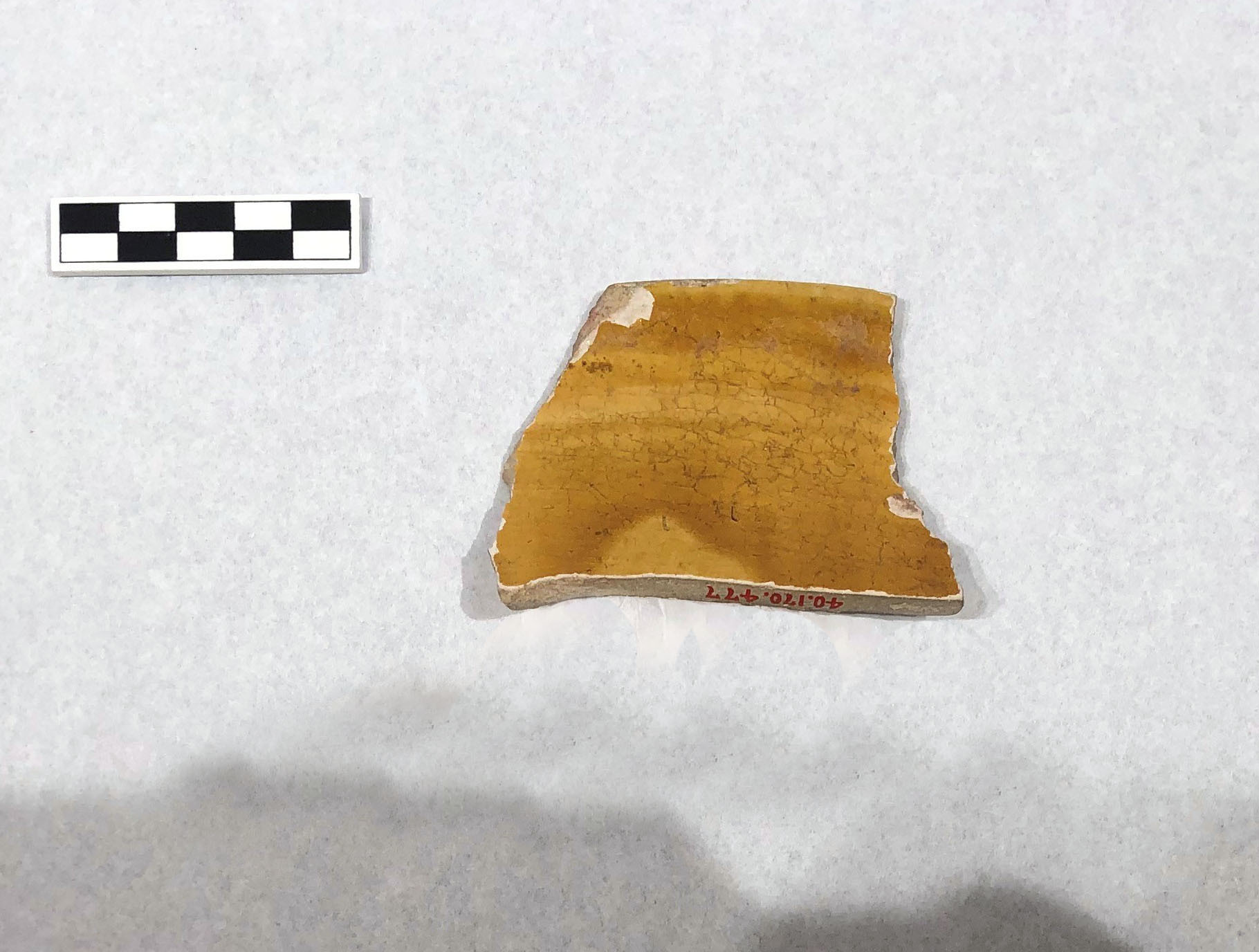
Within the hallowed archive of Natalie Fashion Atelier, the isolated aesthetic archaeology of a singular ceramic fragment—a piece of earthenware bearing the intricate marks of sgraffito—offers a profound departure point for the 2026 collection. This is not a mere decorative inspiration; it is a structural and philosophical dialogue with a material that embodies the tension between the raw and the refined. The fragment, characterized by its white slip, incised lines, and polychrome glazes splashed under a transparent glaze, presents a lexicon of textures and forms that directly challenge and refine the haute couture silhouette.
Materiality as Structural Language: The Earthenware Paradox
At its core, earthenware is a humble material—porous, fragile, and unapologetically terrestrial. Yet, the application of a white slip and the subsequent incising of precise, deliberate lines elevate it to a plane of classical elegance. For the 2026 silhouette, this paradox is paramount. The structural integrity of a garment must be rethought not as a rigid, unyielding form, but as a vessel that holds its shape through tension and incision. We are moving away from the heavy, structured corsetry of the past and toward a new geometric architecture that mimics the ceramicist’s hand. The silhouette will be defined by sharp, incised seams—not merely decorative, but functional, acting as the “slip” that holds the fabric’s volume in place. These seams, like the sgraffito lines, are not afterthoughts; they are the primary structural elements, carving the fabric into a three-dimensional canvas.
The polychrome glazes, splashed with apparent abandon yet controlled by the underlying incision, inform a new chromatic strategy for the 2026 atelier. We will not use color as a flat application. Instead, color will be “splashed” onto the silhouette in strategic, volumetric blocks, guided by the garment’s architectural lines. A deep indigo might pool at the shoulder, bleeding into a pale celadon at the waist, the transition dictated by the placement of a structural seam. This is not print; it is color as a liquid, structural element, echoing the way glaze pools in the incised grooves of the ceramic fragment. The transparency of the final glaze layer finds its analog in the use of sheer organza overlays that veil the incised seams, creating a depth of field that invites the eye to explore the garment’s construction, much as one studies the layers of a ceramic surface.
Deconstructing Classical Elegance: The Incised Line and the New Silhouette
The classical elegance of the sgraffito fragment lies in its restraint. The incised line is a mark of intention, a removal of material to create a new form. In haute couture, this translates to a negative-space construction for the 2026 silhouette. We will deconstruct the classical hourglass, not by adding volume, but by removing fabric in precise, incised arcs. The silhouette will be defined by cut-outs that follow the body’s natural musculature, creating a visual rhythm akin to the ceramicist’s stylus. These are not random apertures; they are calculated incisions that reveal the underlying “slip” of the body, creating a dialogue between the garment and the form it contains.
This approach demands a re-evaluation of the drape and weight of our materials. The earthenware fragment is heavy, yet its incised lines create a sense of lightness and movement. For the 2026 collection, we will employ double-faced fabrics—a dense, matte exterior (the earthenware body) and a lustrous, fluid interior (the transparent glaze). The incised seams will be cut through the exterior layer, allowing the interior fabric to “bleed” through, creating a dynamic, sculptural fringe that moves with the wearer. This is the sgraffito effect in motion: the removal of the outer layer reveals a hidden, more luminous stratum, transforming a static silhouette into a living, breathing artifact.
Global Heritage and the 2026 Silhouette: A Transcultural Lexicon
The global heritage of sgraffito ware—from Byzantine ceramics to Italian Renaissance maiolica—provides a rich, transcultural lexicon for the 2026 silhouette. We are not replicating patterns; we are extracting the underlying principles of balance, asymmetry, and surface tension that define these masterpieces. The classical elegance of a 14th-century Persian bowl, with its incised calligraphy and controlled splashes of turquoise and cobalt, informs a silhouette that is asymmetrical yet perfectly balanced. One shoulder may be heavily structured, incised with sharp, geometric lines, while the other falls in a fluid, unglazed drape. This is not a lack of symmetry; it is a dynamic equilibrium that honors the ceramicist’s understanding of weight and counterweight.
The polychrome splashes themselves become a blueprint for the 2026 garment’s volume. A sudden burst of fuchsia at the hip, contained by a precise, incised line, will be translated into a sculptural ruffle that erupts from a controlled seam. The color is not applied; it is constructed. The ruffle, like the glaze splash, is an event—a moment of exuberance within a disciplined architectural framework. The transparent glaze, which unifies the disparate elements of the ceramic fragment, finds its couture equivalent in a fine, transparent tulle that envelops the entire silhouette, softening the incised lines and blurring the boundaries between the garment and its environment. This is the final, unifying layer that transforms the collection from a series of structural experiments into a cohesive, ethereal whole.
Conclusion: The Fragment as a Complete System
The isolated ceramic fragment, in its materiality and technique, is not a relic of the past but a complete system of design principles for the 2026 haute couture silhouette. The earthenware body teaches us about weight and structure. The white slip and incised lines instruct us on negative-space construction and the power of the precise mark. The polychrome glazes, splashed and controlled, reveal a new chromatic and volumetric strategy. And the transparent glaze provides the final, unifying veil. For Natalie Fashion Atelier, the sgraffito fragment is not a source of motifs; it is a masterclass in the integration of material, technique, and form. The 2026 collection will not merely reference this heritage; it will embody it, creating silhouettes that are at once ancient and utterly contemporary, fragile and structurally profound, classical and radically new. This is the future of haute couture: a dialogue with the earth, incised into the fabric of time.