Aesthetic Archaeology: The Comb Punch as a Structural Lexicon for 2026
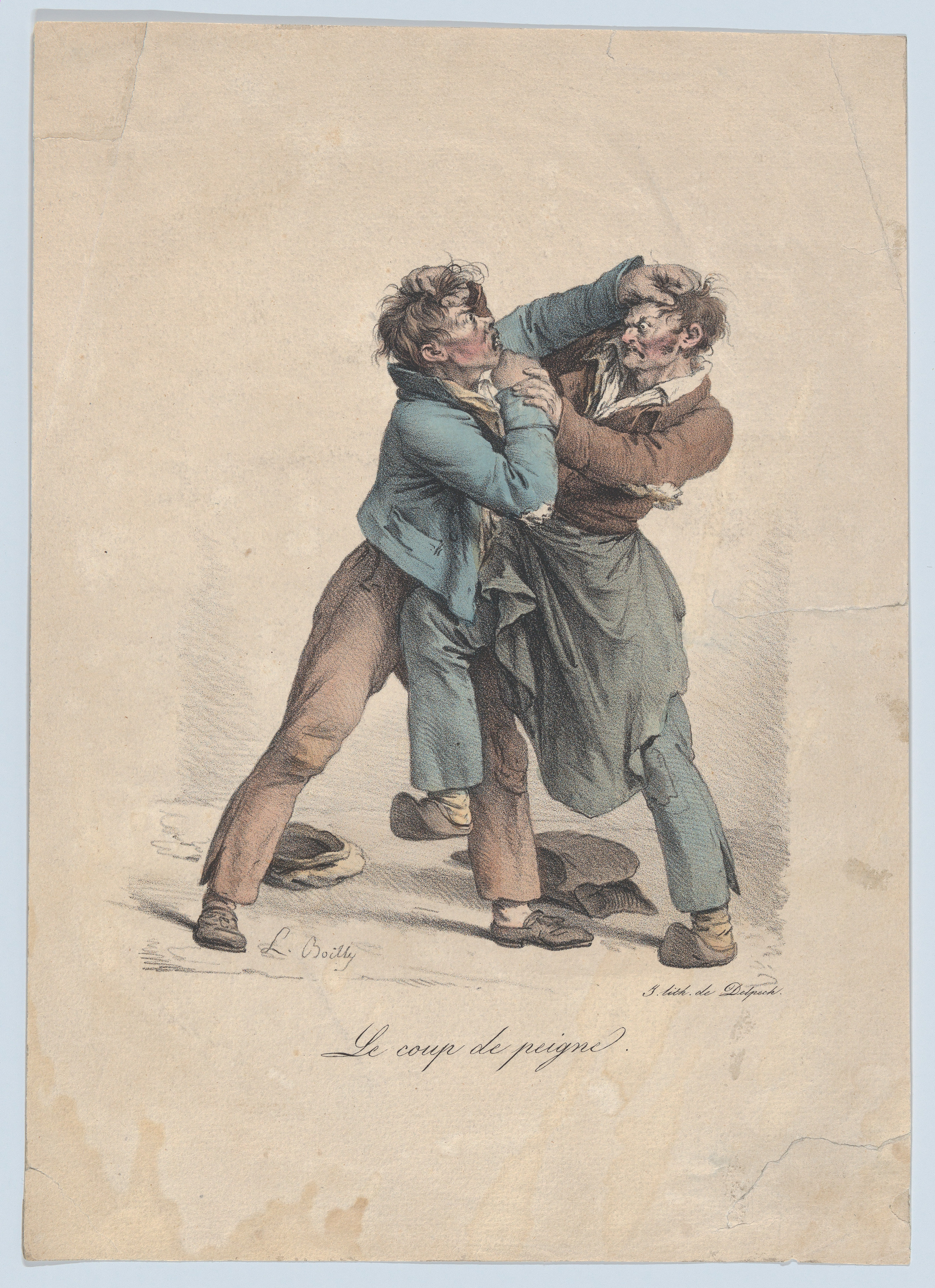
Within the sacred archives of Natalie Fashion Atelier, the object known as the Comb Punch exists not as a functional tool, but as a relic of graphic precision. This lithograph, a masterwork of chromatic restraint, presents a deceptively simple motif: a series of repetitive, punched apertures arranged in a comb-like sequence. Printed in a disciplined palette of blue, brown, black, green, yellow, and a second blue, the piece transcends its two-dimensional medium. It becomes a blueprint for volumetric architecture. For the 2026 Haute Couture season, this artifact informs a radical departure from fluid drapery toward a language of negative space, punctured geometry, and chromatic stratification. The Comb Punch is not merely a pattern; it is a structural manifesto.
The Materiality of the Lithograph: Chromatic Stratification
The lithograph’s materiality is its first and most profound lesson. The six inks—blue, brown, black, green, yellow, and a secondary blue—are not applied as mere decoration. They are laid in successive, translucent layers, each color modifying the one beneath it. This process of chromatic stratification creates a visual depth that is both flat and volumetric. The yellow, for instance, does not simply sit atop the black; it vibrates against it, generating a faint, optical shimmer. The two blues, one a deep indigo and the other a cerulean, create a tonal gradient that suggests shadow and light without any actual chiaroscuro.
This technique directly informs the 2026 silhouette through the concept of pigment-layered textiles. We are not printing onto fabric; we are constructing fabric through print. For the atelier, this means developing a new category of garment: the chromatic carapace. A jacket, for example, is built from multiple panels of silk organza, each screen-printed with a single color from the lithograph’s palette. The panels are then assembled not by stitching edge-to-edge, but by overlapping and floating them, allowing the yellow of one layer to bleed optically through the blue of another. The result is a silhouette that changes color as the wearer moves, a living lithograph. The Comb Punch’s materiality teaches us that color is not a surface; it is a structural depth.
Deconstructing Classical Elegance: The Negative Space Silhouette
The classical elegance of the Comb Punch lies in its rigorous geometry. The repeated punches are not random; they follow a strict, rhythmic cadence. Yet, the true subject of the lithograph is not the ink, but the absence of ink—the punched holes themselves. This is the core of aesthetic archaeology: the artifact’s meaning is found in its voids. For the 2026 silhouette, this translates into a radical redefinition of the garment’s outline. We move away from the classical, continuous form of the body and toward a fragmented, punctured, and perforated architecture.
The silhouette is no longer a single, flowing line. It is a series of negative space apertures that carve into the fabric, revealing the body or an under-layer as a second, chromatic ground. Consider a gown where the bodice is constructed from a single, stiffened panel of black faille. Using laser-cutting technology informed by the lithograph’s precise punch geometry, we remove a sequence of oval apertures along the waist and hip. These are not random cutouts; they are the Comb Punch’s rhythm translated into three dimensions. The brown and green inks of the lithograph become the under-dress—a second, fitted sheath of printed silk that is visible only through these voids. The classical elegance of the gown is thus deconstructed: the silhouette is defined by what is missing, not by what is present. The garment breathes, not through fabric, but through absence.
Structural Lexicon: The Comb as Architectural Rib
The Comb Punch’s repetitive, tooth-like forms suggest a structural system beyond mere decoration. The comb is an architectural rib, a series of parallel, load-bearing elements. In the 2026 collection, this translates into a new category of engineered support. We are developing the comb corset, a structural undergarment that is not hidden but exposed. The corset is constructed from rigid, laser-cut leather panels, each shaped like the lithograph’s comb teeth. These panels are joined not by fabric, but by articulated metal hinges, allowing the structure to flex and move with the body while maintaining its geometric integrity.
The silhouette that emerges is a hybrid of armor and lingerie. The comb panels are printed with the lithograph’s chromatic sequence: the first rib in blue, the second in brown, the third in black, and so on, creating a vertical, rhythmic stripe of color that echoes the original artifact. Over this, a sheer, unprinted organza is draped, allowing the comb corset to appear as an internal skeleton. The classical elegance of the corset—traditionally a hidden, shaping device—is inverted. It becomes the primary visual and structural element of the silhouette. The body is not shaped by the garment; the garment is shaped by the comb’s architectural logic.
Chromatic Rhythm and the 2026 Silhouette
The lithograph’s six inks are not static; they create a chromatic rhythm that moves the eye across the surface. The sequence—blue, brown, black, green, yellow, blue—is a visual melody. For the 2026 silhouette, this rhythm dictates the vertical and horizontal proportion of each garment. A coat, for instance, is divided into six horizontal bands, each corresponding to one of the lithograph’s colors. The blue band at the hem is wide and grounding; the yellow band at the shoulder is narrow and light. This is not arbitrary color-blocking; it is a proportional system derived from the artifact’s own internal logic.
The silhouette becomes a scored composition. The wearer’s body is the staff upon which this chromatic score is played. The green band, for example, is placed at the waist, acting as a visual pivot. The black band is at the bust, creating a zone of compression and opacity. The second blue band, the final note, is at the collar, a whisper of the first. This systematic application of color and proportion ensures that the 2026 silhouette is not merely inspired by the Comb Punch; it is a direct, three-dimensional translation of its graphic structure. The garment is a wearable lithograph, and the body is its substrate.
Conclusion: The Artifact as Future Lexicon
The Comb Punch, as an isolated artifact of aesthetic archaeology, offers a complete vocabulary for the 2026 Haute Couture season. Its materiality of chromatic stratification teaches us to build depth through layered, translucent pigments. Its classical elegance, deconstructed through negative space, redefines the silhouette as a series of voids and apertures. Its structural logic of the comb rib provides a new system of architectural support, visible and celebrated. And its chromatic rhythm dictates a proportional system that is both precise and poetic. At Natalie Fashion Atelier, we do not look to the past for nostalgia. We excavate it for structural principles. The Comb Punch is not a historical curiosity; it is a blueprint for the future of luxury silhouettes. The 2026 collection will be a testament to the power of the void, the rhythm of the punch, and the depth of the lithograph’s six inks.