Deconstructing the Assyrian Ivory: Aesthetic Archaeology and the 2026 Silhouette
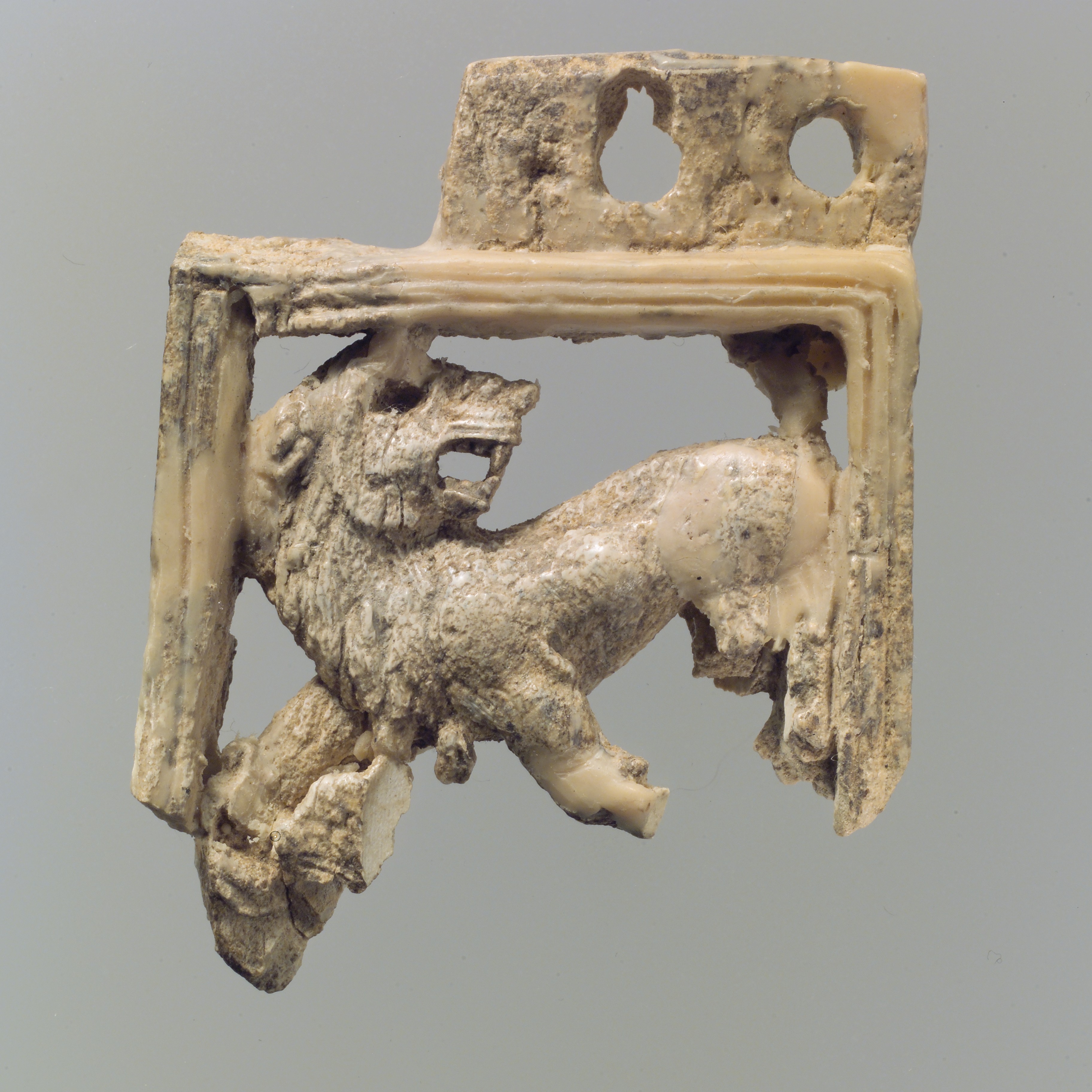
The openwork furniture plaque with a lion, carved from elephant ivory and attributed to the Neo-Assyrian period (circa 9th–8th century BCE), represents a pinnacle of ancient craftsmanship. As an artifact of aesthetic archaeology, it is not merely a decorative fragment but a coded lexicon of power, proportion, and material mastery. For the 2026 couture season at Natalie Fashion Atelier, this piece serves as a foundational reference, informing a new architectural vocabulary for the female silhouette. The plaque’s interplay of negative space, its disciplined tension between animalistic force and geometric restraint, and its luminous, organic materiality offer a precise template for deconstructing classical elegance into a contemporary, high-end language.
The Lexicon of Openwork: Structural Negation as Design Principle
The defining technical feature of the Assyrian plaque is its openwork—the deliberate carving away of material to create a lattice of form and void. In the 2026 silhouette, this principle is translated into structural negation. Rather than constructing garments through additive volume or draping, we employ subtractive tailoring. The lion’s mane, rendered as a series of pierced, concentric arcs, inspires a new category of cut-out corsetry and exoskeletal shell tops. These are not mere apertures for skin exposure; they are engineered negative spaces that define the body’s architecture. The ivory’s original function as a furniture plaque—a planar, rigid surface—informs the use of crisp, non-stretch textiles such as double-faced wool, patent leather, and resin-coated silk organza. The garment’s silhouette is built around these voids, with the body as the positive form that completes the composition.
Materiality and Luminescence: The Ivory Aesthetic in Fabric
The Assyrian ivory, aged and patinated over millennia, possesses a unique luminescence—a warm, milky translucency that absorbs and refracts light. For 2026, we replicate this through layered, semi-sheer fabrications. A primary silhouette might consist of a double-layered georgette in an off-white, ecru, or champagne tone, with an inner layer of micro-pleated matte jersey that creates a subtle, shifting opacity. The effect is not transparency but a controlled depth, echoing the ivory’s internal glow. The materiality further dictates a monochromatic palette—bone, ivory, alabaster, and limestone—with occasional accents of oxidized bronze or lapis lazuli, referencing the original inlays that would have adorned such plaques. This restraint allows the silhouette’s structural complexity to dominate, aligning with the Assyrian aesthetic of power through precision.
The Lion’s Stance: Power and Tension in the 2026 Silhouette
The lion depicted in the plaque is not static; it is captured in a moment of controlled tension—muscles coiled, head turned, ready to spring. This dynamic equilibrium is the core of the 2026 power silhouette. We translate this through asymmetrical draping and angular shoulder lines. A tailored jacket, for instance, features a single, exaggerated shoulder that extends outward like the lion’s haunch, while the opposite side remains fitted and streamlined. The hemline of a gown might be cut on a severe bias, creating a diagonal sweep that mimics the animal’s forward momentum. This is not a literal representation but a kinetic abstraction—the garment’s lines suggest latent movement, a poised readiness that commands the room. The silhouette is thus both armor and allure, echoing the plaque’s dual function as protective furniture element and decorative statement.
Geometric Precision and the Reimagined Empire Line
The Assyrian plaque’s composition is rigorously geometric. The lion is framed by a border of repeating rosettes and stylized palmettes, creating a rhythm of repetition and proportion. For the 2026 collection, this informs a reimagining of the empire line. Rather than a soft, Romantic waist, we introduce a structured, architectural yoke that sits just below the bust. This yoke is constructed from laser-cut leather or bonded fabric, with a repeating pattern of negative-space rosettes inspired by the plaque’s border. The yoke acts as a structural anchor, from which the rest of the garment—a flowing, bias-cut skirt in liquid silk—falls in a controlled cascade. The contrast between the rigid, geometric yoke and the fluid, organic skirt creates a dialogue between the plaque’s carved surface and its original context as a functional object. The empire line is no longer a nostalgic nod to antiquity but a precision-engineered component of a modern, architectural garment.
Negative Space as Narrative: The Cut-Out and the Gown’s Silhouette
The most direct translation of the openwork technique is the strategic cut-out in evening gowns and cocktail dresses. For 2026, these are not decorative slits but narrative voids that reveal the body in a choreographed manner. A floor-length column gown, for example, features a series of asymmetrical, oblong cut-outs along the torso, echoing the pierced mane of the lion. These voids are edged with a fine, hand-stitched piping in a contrasting metallic thread, mimicking the carved edge of the ivory. The silhouette remains columnar and severe, but the negative spaces create a sense of architectural lightness, as if the garment has been carved from a solid block of fabric. This approach requires exceptional fit and engineering; the cut-outs must align with the body’s natural contours without compromising structural integrity, a challenge that elevates the garment to haute couture status.
Conclusion: The Ivory as a Blueprint for Timeless Modernity
The openwork furniture plaque with lion, isolated from its original context, becomes a pure aesthetic artifact. Its ivory materiality, its openwork geometry, and its dynamic tension provide a precise, technical vocabulary for the 2026 luxury silhouette. At Natalie Fashion Atelier, we do not replicate the past; we deconstruct its principles and rebuild them within a contemporary framework. The result is a collection that embodies the same power, precision, and luminescence as the Assyrian original, but expressed through the language of modern couture. The silhouette is not merely worn; it is inhabited, a structural dialogue between the body and the artifact that transcends time.