Aesthetic Archaeology: Deconstructing the Madonna and Child for 2026 Haute Couture
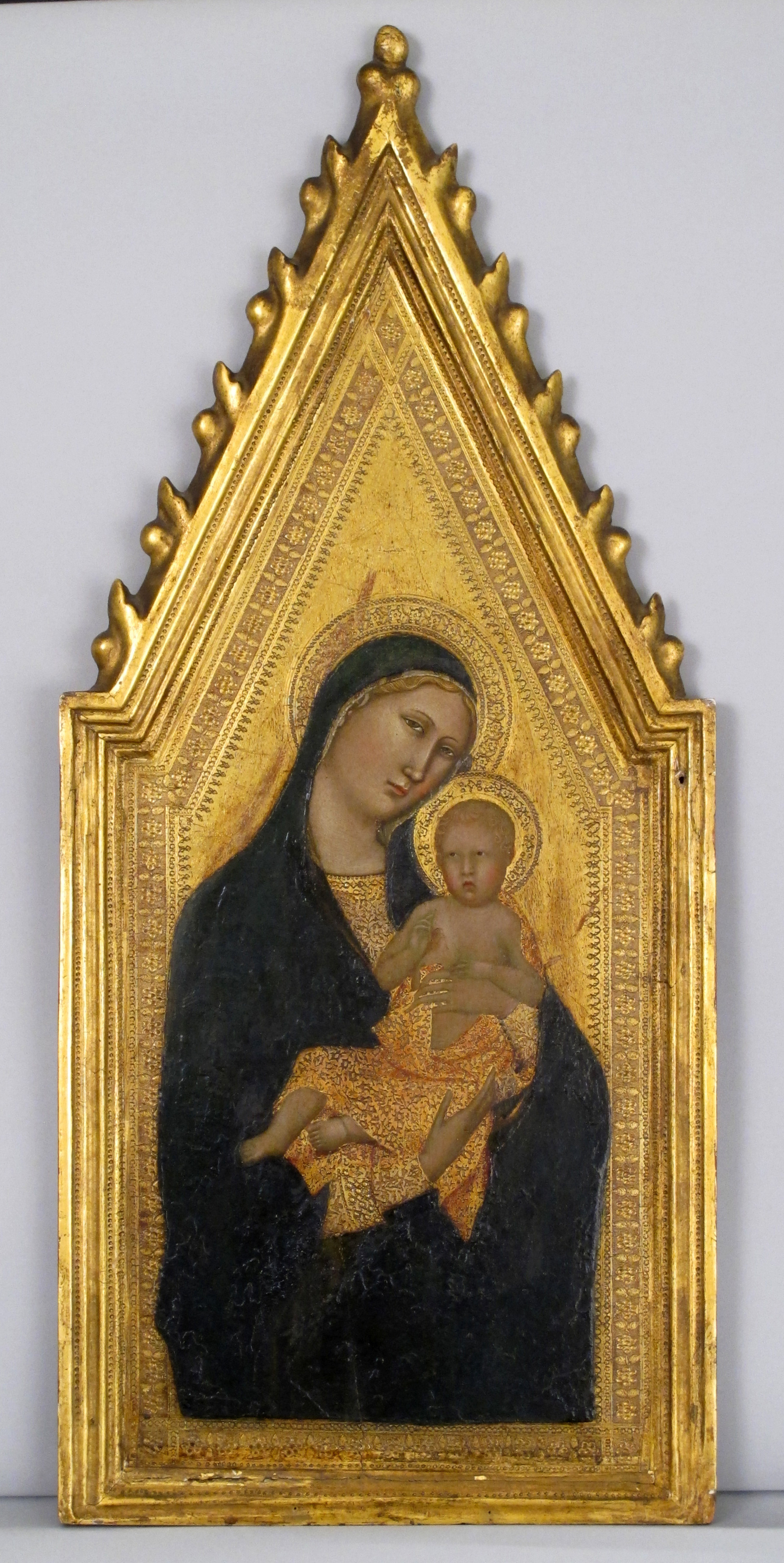
The Natalie Fashion Atelier presents a rigorous aesthetic archaeology of the Madonna and Child motif as rendered in tempera on wood with a gold ground. This artifact, isolated from its devotional context, is examined not as religious iconography but as a masterclass in material hierarchy, spatial tension, and chromatic restraint. For the 2026 luxury silhouette, the tempera technique’s inherent flatness and luminosity, combined with the gold ground’s reflective authority, offer a radical departure from contemporary volume and texture. The following deconstruction translates these historical principles into a lexicon of high-end form, drape, and finish.
I. The Tempera Imperative: Flatness as Structural Virtue
Tempera on wood demands a disciplined opacity. Unlike oil’s fluid blending, tempera requires successive, thin layers of pigment suspended in egg yolk, creating a surface that is both matte and intensely saturated. This technique informs the 2026 silhouette through a rejection of volumetric draping in favor of planar construction. The garment becomes a series of discrete, painted panels—akin to the gessoed panels of a polyptych—where each seam is a deliberate, visible line of demarcation.
Silhouette Application: The 2026 collection will feature architectural sheath dresses and structured coats with zero-gravity, flat-front panels. The tempera effect is achieved via pigment-infused matte silks and lacquered cotton poplins, where color is locked into the fiber rather than applied as a print. The silhouette’s strength lies in its two-dimensional purity; the body is a support for a painted surface, not a volume to be enveloped. This is a direct translation of the Madonna’s rigid, frontal pose—a figure that commands space through stillness, not movement.
II. Gold Ground: The Architecture of Luminosity and Restraint
The gold ground is not mere decoration; it is a structural element that defines negative space and elevates the figurative subject. In the Madonna and Child, the gold leaf creates a non-representational, infinite backdrop against which the human form is rendered with heightened clarity. For 2026, this translates into a metallic infrastructure that is both supportive and abstract.
Materiality in Practice: The gold ground is reinterpreted as burnished metallic panels integrated into the garment’s internal architecture—corsetry, boning, and structural underlays that are visible only through strategic cut-outs or sheer overlays. The external silhouette remains matte and pigment-rich, but the gold is revealed as a hidden luminosity at the waist, shoulders, or hem. This creates a dialectic between surface and depth, mirroring the tempera painting’s tension between the flat gold field and the modeled flesh.
Furthermore, the gold ground informs negative-space tailoring. The 2026 silhouette will feature asymmetrical, gilded cut-outs that frame the body as the gold frame frames the Madonna. These cut-outs are not decorative; they are functional apertures that control the eye’s movement and create a rhythm of void and presence.
III. Chromatic Palette: The Tempera Color Field
Tempera’s palette is characterized by high-key, unmuddied hues—ultramarine, vermilion, malachite green, and lead white. These colors are applied in pure, unblended fields, creating a chromatic flatness that is both medieval and hyper-modern. The 2026 collection adopts this color-as-substance philosophy, rejecting tonal gradation in favor of saturated, monolithic blocks.
Color Strategy: The primary palette is drawn from the Madonna’s robe: a deep, mineral ultramarine derived from lapis lazuli, paired with a crimson lake for accents. The Child’s flesh is rendered in a warm, ivory lead white, which becomes the collection’s base for underlayers and linings. The gold ground is not a color but a light source, used sparingly as a chromatic anchor at key structural points—cuffs, collars, and interior seams.
This color blocking is executed with meticulous seam alignment, where each color transition is a clean, unbroken line. The effect is one of painted precision, where the garment reads as a series of contiguous, flat color planes rather than a draped form.
IV. Silhouette Translation: From Panel to Body
The Madonna and Child composition is inherently front-facing and symmetrical. For 2026, this is deconstructed into modular, panel-based silhouettes that are rigid yet wearable. The key silhouettes are:
- The Triptych Gown: A three-panel dress where the central panel is a solid color (ultramarine) and the side panels are gilded or in a contrasting tempera hue. The seams are exposed and finished with a burnished gold edge, mimicking the gold ground’s framing function.
- The Halation Coat: A structured, double-breasted coat with a matte tempera exterior and a full gold-ground lining. The coat’s volume is minimized; it is a flat, painted shell that opens to reveal a radiant interior, echoing the painting’s shift from gold field to figurative depth.
- The Iconic Bodice: A corseted top with integrated gold panels at the shoulders and sternum, creating a halo effect around the wearer’s face. The bodice is constructed from rigid, painted leather or lacquered silk gazar, ensuring the tempera-like flatness is maintained.
V. Craftsmanship Protocol: The Tempera Finish
To achieve the tempera aesthetic, the Atelier employs a proprietary multi-layer pigment application on fabric. This involves:
- Gesso-like base layer: A matte, absorbent undercoat applied to silk or cotton, creating a surface that accepts pigment without reflection.
- Successive pigment washes: Each color is applied in thin, translucent layers, building intensity without gloss. The finish is velvety and dry, with no visible brushstrokes.
- Gold leaf integration: Real 22-karat gold leaf is applied to specific panels using a water-gilding technique, then burnished to a high shine. This creates a tactile contrast between the matte pigment and the reflective gold.
This craftsmanship protocol ensures that each garment is not merely inspired by the Madonna and Child but is a direct material translation of its aesthetic archaeology. The 2026 silhouette is thus a worn painting, a portable panel that carries the weight of historical materiality into the future of luxury form.