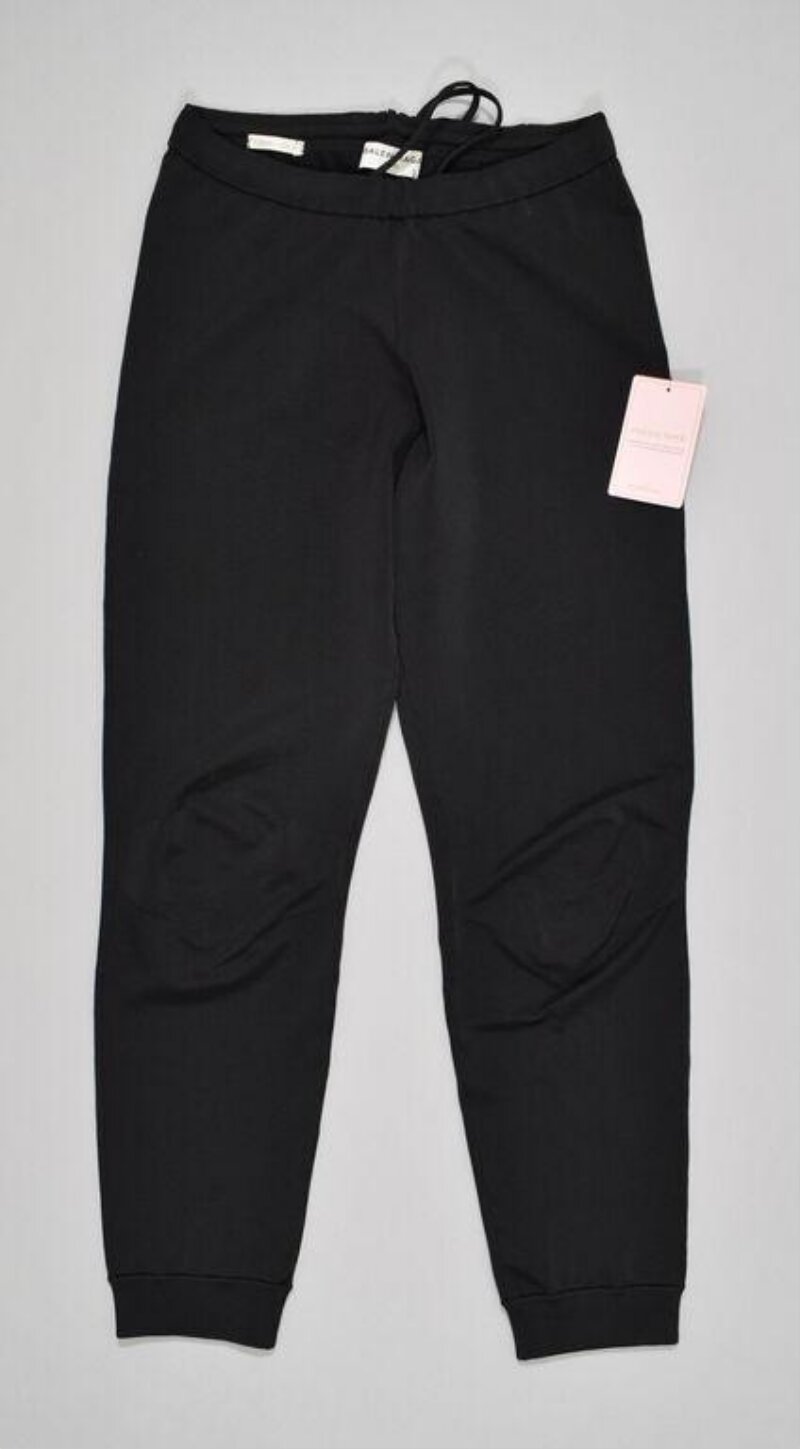
Couture Archaeology Report: Technical Deconstruction of Balenciaga (Paris, 2016) for 2026 Luxury Translation
Subject: Technical and Material Analysis of Balenciaga Autumn/Winter 2016 Couture Collection (Paris).
Origin: Paris, July 2016. Maison Balenciaga, under the inaugural couture direction of Demna Gvasalia.
Report Purpose: To deconstruct the seminal techniques and material philosophies of this collection, providing a foundational blueprint for Natalie Fashion Atelier's 2026 high-end luxury silhouettes.
I. Contextual Excavation: The 2016 Pivot Point
The Balenciaga Autumn/Winter 2016 couture presentation was not merely a collection; it was an archaeological dig with a futuristic lens. Demna, upon assuming the mantle at the house, chose not to replicate Cristóbal Balenciaga’s iconic shapes literally. Instead, he performed a technical séance, channeling the founder’s spirit through the methodology of construction and radical materiality. The collection served as a bridge between the atelier’s sacred archives and the stark realities of contemporary life, making it a uniquely fertile site for our 2026 projections. It established a new couture dialect: one where impeccable traditional technique converses with deliberate, studied imperfection.
II. Technical Deconstruction: The Anatomy of a New Rigor
The technical innovations of this collection can be categorized into three core principles, each ripe for translation.
A. The Engineered Informal: Deconstruction as Precision
Demna’s most profound technical statement was the elevation of the "everyday" through hyper-precision. A prime artifact is the iconic "flannel shirt" gown. This piece was not a shirt deconstructed into a gown, but a gown constructed with the meticulous grammar of a shirt. Every element—the precise placket, the exacting collar roll, the functional cuff—was executed in the haute couture atelier using the finest woolens, then assembled into a formal evening silhouette. The technique instructs us to isolate the construction rules of mundane garments and re-apply them with couture materials and scale. For 2026, this suggests exploring the engineered seams of technical sportswear, the articulated gussets of workwear, or the fastening systems of utilitarian gear, translated in cashmere, technical silk, or laminated leathers.
B. Volume and Architecture: Controlled Amplification
While Cristóbal’s volume often emanated from the body, Demna’s 2016 volume was frequently applied as a structured shell. The oversized, sculptural coats and capes demonstrated a mastery of internal architecture. Their formidable silhouettes were achieved not through excessive padding but through complex, minimal seaming and strategic internal rigging—a feat of engineering that created airspace between garment and wearer. This technique of creating protected, personal space through form is critically relevant for 2026. Our translation should focus on lightweight, rigid materials (like technical felts or structured non-wovens) shaped into architectural volumes that shelter the body, using hidden armatures or heat-molded seams to maintain clean, uncluttered exterior lines.
C. The Tailoring Paradox: Precision Meets Distortion
The collection’s tailoring presented a masterful paradox. Jackets and coats featured impeccable traditional canvas construction, yet were often distorted through deliberate, calculated imbalanceprecise miscalibration, a technique that requires perfect understanding of the rules in order to break them with authority. For 2026, this principle invites us to develop a new tailoring lexicon. Imagine a double-breasted jacket with mathematically shifted button stance altering the drape, or a pant with a traditionally drafted top block that dissolves into an exaggerated, fluid leg, creating a dialogue between rigor and release.
III. Material Materiality: The Texture of Intention
The material selections were the critical text of the collection, where its conceptual thesis was most legible.
The Luxury of the "Non-Luxe": Demna employed materials with intrinsic "memory" or humble association—stiff flannels, robust tweeds, matte duchesse satins, and cotton sateen. Their luxury was derived from handling and context, not innate sheen. The duchesse satin, often used for glamour, was chosen for its sculptural, inanimate quality. This advocates for a 2026 material palette that prioritizes tactile intelligence and inherent character over obvious opulence. Consider heavyweight linens with a stone-like drape, washed silks that mimic the hand of aged paper, or recycled technical fabrics with a sophisticated matte finish.
Surface Archaeology: The application of trompe l'oeil beading and embroidery to mimic everyday wear—like the crystal "dirt" splatters on train-length gowns—introduced a narrative of use and time onto the pristine couture canvas. This technique of applied patina is vital for 2026, where luxury seeks depth and story. Our translation could involve algorithmic damage-mapping rendered in micro-sequins, embroidery that mimics software glitches on solid surfaces, or laser-etching that suggests archival wear on new leather.
IV. Translation to 2026 High-End Luxury Silhouettes
Synthesizing these deconstructed techniques, we propose the following directional pillars for Natalie Fashion Atelier's 2026 expression:
1. The Cocoon Architecture: Silhouettes defined by protected, personal volume. Imagine a dress built from a single, molded piece of technical wool, its form creating negative space around the body, entered through a precisely engineered seam. It speaks to a 2026 desire for sanctuary and considered presentation.
2. The Hyper-Real Ensemble: A total look derived from a single, mundane garment archetype (e.g., the track suit, the lab coat, the fisherman’s smock) exploded in scale and executed in a monolithic, unexpected luxury material (liquorice leather, molded jacquard). This continues the 2016 principle of re-contextualization, pushing it towards monolithic, contemporary uniform dressing.
3. The Distorted Heritage Piece: A direct dialogue with the atelier’s own archive, where a classic Natalie silhouette (e.g., a signature coat) is subjected to precise technical distortion—asymmetric fastenings, displaced sleeves, a warped but balanced silhouette. It demonstrates mastery through intelligent disruption, offering the familiar made newly intriguing.
V. Conclusion: The New Couture Dialectic
The 2016 Balenciaga couture collection provided a masterclass in conceptual technicality. It proved that the future of high luxury lies not in abandoning craft, but in redirecting its formidable power towards new, intellectually rigorous, and emotionally resonant ends. The path to 2026 is paved with this same dialectic: the marriage of atelier perfection with radical, thoughtful imperfection. For Natalie Fashion Atelier, the mandate is clear. We must become archaeologists of our own practice, deconstructing our techniques to their foundational principles, and then re-assembling them through the material and emotional lens of the future. The 2016 excavation site offers the perfect blueprint: a map where the past is not a shape to be copied, but a profound technical language waiting to be spoken in a new, urgent voice.