Fragment as Blueprint: The Peasant Costume and the 2026 Silhouette
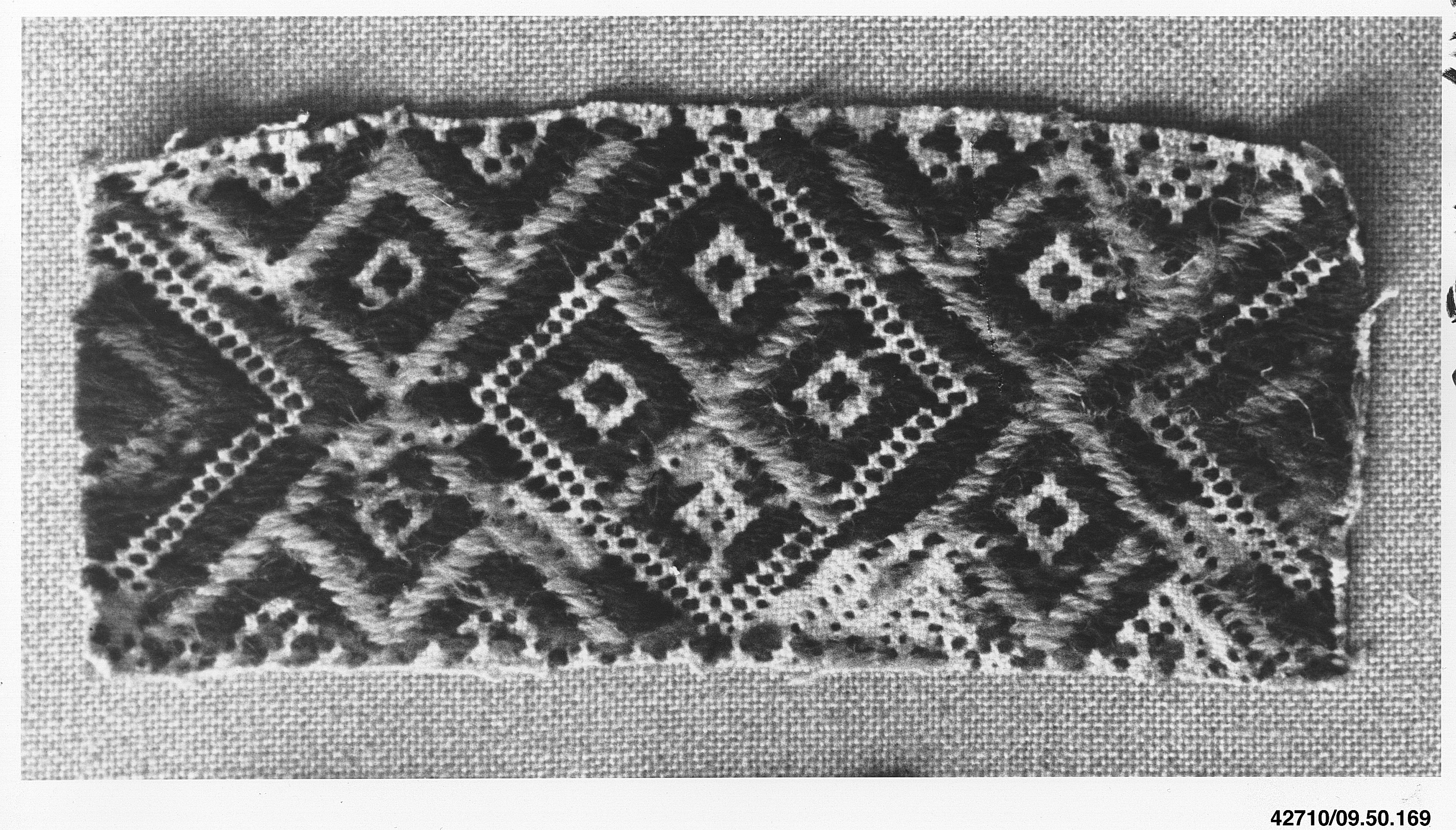
The archive of Natalie Fashion Atelier is not a mausoleum of finished forms, but a laboratory of latent structures. Within this collection, a singular fragment—a peasant costume rendered in wool on canvas—presents a paradox of aesthetic archaeology. It is, by definition, a piece of the vernacular, a garment of labor and necessity, yet its isolated survival transforms it into a document of pure, unadorned elegance. To deconstruct this fragment is to understand how the principles of volume, tension, and material honesty can be translated into the high-end silhouettes of 2026. The wool-on-canvas construct, a marriage of soft fiber and rigid support, becomes the critical lens through which we reimagine luxury as a study of structural integrity and tactile intelligence.
Deconstructing the Classical Elegance of the Fragment
The classical elegance of this peasant costume does not reside in ornamentation or aristocratic lineage. Instead, it emerges from an economy of means—a rigorous, almost mathematical relationship between the human form and the textile envelope. The fragment, likely a bodice or a sleeve panel, reveals a geometry born of practical necessity. The wool, a dense, felted worsted, provides thermal mass and a natural drape that resists frivolous movement. The canvas, a linen or hemp base, acts as a tensile armature, preventing the wool from collapsing into mere softness. This is not a fabric that drapes; it is a fabric that stands.
This structural dialogue is the core of its elegance. The garment’s silhouette, reconstructed from the fragment, is characterized by a pronounced shoulder line—a slight, almost imperceptible padding created by the canvas interlining—and a fitted torso that flares subtly at the hip. There is no superfluous ease. The volume is controlled, a product of the fabric’s own stiffness rather than external shaping. This is a lesson in negative space: the garment does not follow the body; it creates a second, architectural body around it. The seams, hand-stitched with a coarse linen thread, are not hidden but celebrated as structural joints, akin to the beams of a timber frame. The elegance is in the tension between the rigid canvas and the soft wool, a tension that generates a silhouette that is both protective and sculptural.
Materiality as a Design Ethos: Wool on Canvas
The materiality of the fragment—wool on canvas—is not merely a technical detail; it is a philosophical position. In an era of synthetic stretch and digital draping, this composite fabric offers a counter-narrative of slow construction and material honesty. The canvas provides a foundation that resists deformation, while the wool introduces a layer of organic warmth and depth. The key technical property is compression resistance. Unlike a silk crepe that will yield to the slightest pressure, the wool-on-canvas construct maintains its form, creating a silhouette that is architectonic rather than fluid.
For the 2026 collection, this materiality informs a new category of “structured softness.” We are exploring a modern iteration of this composite: a double-faced wool bonded to a micro-cotton canvas, treated with a natural resin to enhance its memory. The result is a fabric that retains the tactile warmth of wool but possesses the structural integrity of a fine worsted. This allows for silhouettes that are self-supporting—a jacket that stands open without a lapel, a skirt that maintains a conical volume without a petticoat. The aesthetic is one of controlled austerity, where the beauty lies in the precision of the form and the subtle interplay of light on the wool’s napped surface.
Informing 2026 High-End Silhouettes
The peasant costume fragment directly informs three distinct silhouette archetypes for the 2026 haute couture line: the “Architectural Bodice,” the “Falling Column,” and the “Tension Sleeve.”
The Architectural Bodice is a direct descendant of the fragment’s fitted torso. It is constructed from a single piece of the wool-on-canvas composite, cut on the bias to create a subtle spiral seam that wraps the torso. The canvas interlining is reinforced at the shoulder blades and the waist, creating a corset-like structure without the need for boning. The silhouette is prismatic, with a sharp, almost geometric shoulder line and a waist that is defined by the fabric’s own tension. The garment is finished with a raw, hand-stitched edge at the hem, a deliberate nod to the fragment’s unfinished state. This is not a garment that clings; it is a garment that encases, offering a modern reinterpretation of the peasant’s protective shell.
The Falling Column interprets the fragment’s flared lower section. A full-length skirt or coat, it is cut from multiple panels that are seamed vertically, with the canvas interlining removed at the hip to allow for a controlled release of volume. The wool, now free from the canvas’s rigid support, begins to fall in a series of soft, pleated folds. The silhouette is a truncated cone, wide at the hem but narrow at the waist, creating a sense of monumental grace. The weight of the wool ensures the folds are deep and permanent, not ephemeral. The aesthetic is one of democratic luxury—a silhouette that is both humble in its construction and majestic in its presence.
The Tension Sleeve is perhaps the most radical translation. The fragment’s sleeve, set into the bodice with a deep armscye, reveals a negative ease at the bicep. The canvas interlining, here applied only to the top half of the sleeve, forces the wool to stand away from the arm, creating a puff that is not soft but rigid. For 2026, we are developing a sleeve that is cut in two halves: the upper half is the wool-on-canvas composite, creating a structured, almost armored cap; the lower half is a single layer of wool, which falls in a narrow, straight column. The contrast between the rigid cap and the fluid lower sleeve creates a dynamic tension, a dialogue between protection and movement. This silhouette is a direct homage to the fragment’s own structural logic.
Conclusion: The Archive as a Generative Force
The peasant costume fragment, isolated and decontextualized, becomes a powerful generative tool. Its classical elegance is not a style to be copied but a system of principles to be decoded. The wool-on-canvas materiality teaches us that luxury can be found in structural honesty, in the beauty of a fabric that does not pretend to be something else. For 2026, the Natalie Fashion Atelier silhouette is not about novelty for its own sake, but about a return to a fundamental dialogue between material, form, and function. The fragment, born of labor and necessity, now informs a couture that is essential, powerful, and deeply intelligent. It is a testament to the fact that the most radical future is often found in the most humble past.