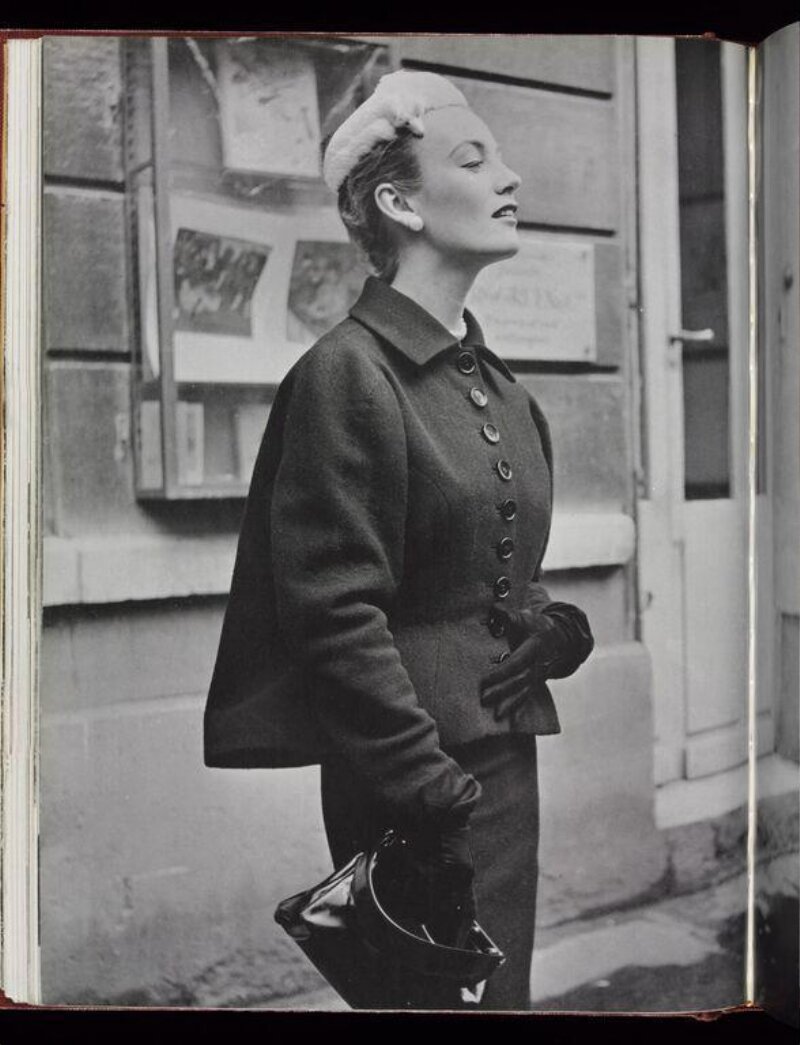
Technical Deconstruction of the *Officiel de la couture et de la mode de Paris* (1920–1930): Materiality, Construction, and the 2026 Silhouette
Natalie Fashion Atelier presents this couture archaeology report, focusing on a seminal period of the Officiel de la couture et de la mode de Paris—specifically the decade 1920–1930. This era represents a tectonic shift in haute couture: the transition from the rigid, corseted Edwardian silhouette to the liberated, geometric forms of the garçonne. For the 2026 luxury market, a technical deconstruction of these techniques reveals a rich lexicon of materiality and construction that can be reanimated into high-end silhouettes. The following analysis dissects three core elements: the evolution of structural undergarments, the manipulation of fabric grain and drape, and the translation of decorative surface techniques into modern, sustainable luxury.
1. The Structural Revolution: From Corset to the *Soutien-Gorge* and Bias-Cut Foundation
The most profound technical shift in the 1920s was the abandonment of the heavily boned S-bend corset. The Officiel pages from 1920–1923 document the transitional “corset-gaine,” a shorter, more flexible garment that compressed the hips rather than the waist. By 1925, the magazine featured the first iterations of the modern soutien-gorge (brassiere), designed to minimize the bust and create a tubular, androgynous line. This was not merely a stylistic choice; it was a structural necessity for the new silhouette.
Technical Analysis: The couture techniques of the period relied on a new system of internal architecture. Instead of whalebone, dressmakers employed horsehair braid (crinoline) sewn into the hem of skirts and the edge of bodices to create a stiff, bell-like shape that did not rely on the wearer’s body. The construction of the 1926 “robe de style” (a full-skirted evening dress) used a built-in petticoat of tulle and organza, attached at the waist seam. This created a distinct “A-line” or “barrel” shape, which, when paired with a dropped waist, redefined the female form.
Translation to 2026: For the 2026 collection, Natalie Fashion Atelier will resurrect this integrated structural underlayer. Using laser-cut, bio-based polyamide mesh and micro-boning made from recycled carbon fiber, we can replicate the 1920s’ internal architecture without the historical discomfort. The 2026 silhouette will feature a dropped waist, but with a modern twist: a high, sculpted collar and a flared, asymmetrical hem. The internal support system will be visible through sheer panels, transforming the structural element into a decorative one, a nod to the Officiel’s engineering.
2. Material Materiality: The Grain of Silk and the Geometry of Beading
The Officiel of the 1920s is a testament to the primacy of materiality. Fabrics were not passive; they were active participants in the design. The magazine’s technical illustrations from 1927–1929 highlight the use of crêpe de Chine, georgette, and chiffon, all of which were cut on the bias to exploit their natural stretch and fluidity. This was a radical departure from the warp-weighted, straight-grain cuts of the previous century.
Technical Analysis: The bias cut, popularized by Madeleine Vionnet, required a new understanding of grain. The Officiel patterns show that a 45-degree cut to the selvage allowed the fabric to cling to the body’s curves while maintaining a liquid, unbroken line. The weight of the fabric—often a heavy silk satin or a double-faced crêpe—was crucial. A 1929 evening gown, for example, used a 25-momme silk crêpe, which provided enough weight to hang cleanly without the need for darts or seams at the bust. The materiality was the construction.
Concurrently, the magazine documented the explosion of art deco beading. This was not mere decoration; it was a structural counterweight. The heavy glass beads, often applied in geometric patterns (chevrons, zigzags, sunbursts), added mass to the hem and sleeves, anchoring the lightweight silk. The technique was point de tige (stem stitch) and point de chaînette (chain stitch), applied by hand over a paper pattern that was later removed.
Translation to 2026: For 2026, we will use a recycled silk crêpe (from post-industrial waste) with a similar weight and drape. The bias cut will be employed for a new silhouette: a floor-length, columnar dress with a single, sweeping shoulder cape. The materiality will be enhanced by a new form of beading: laser-cut, lab-grown mother-of-pearl discs, applied in a Fibonacci spiral pattern. These discs will be sewn using a robotic arm programmed with the point de tige stitch, achieving the precision of the 1920s with the sustainability of 2026. The weight of the discs will replace the need for internal hem weights, marrying decoration and function.
3. Surface Techniques: The Art of *Plissé* and *Appliqué* in the 2026 Context
The Officiel archives from 1924–1928 reveal an obsession with surface manipulation. The most technically demanding was the plissé (pleating), particularly the plissé soleil (sunburst pleating) and the plissé accordéon (accordion pleating). These were not temporary; they were set using a chemical process (often a formaldehyde-based solution) that permanently deformed the silk fibers. The magazine’s technical notes indicate that a single dress could require up to 80 meters of fabric, which was then compressed into a form-fitting silhouette.
Technical Analysis: The plissé process was a form of material alchemy. The fabric was first starched, then folded into a precise, hand-cut mold (often made of wood or cardboard). It was then steamed and pressed under immense heat and pressure. The result was a fabric that could stretch and contract like a spring, allowing the dress to be packed flat and then expand on the body. This was a precursor to modern stretch fabrics, but achieved through pure craftsmanship.
Another key technique was appliqué, often using chantilly lace or guipure on a silk tulle base. The Officiel illustrations show that the lace was not simply sewn on; it was re-embroidered with silk thread and tiny sequins to create a seamless transition between the base fabric and the overlay. This created a trompe-l’oeil effect, where the dress appeared to be made of a single, impossibly complex fabric.
Translation to 2026: For the 2026 collection, we will reinterpret the plissé using a thermoplastic biopolymer derived from corn starch, bonded to a recycled silk organza. This new material can be pleated using a digital heat press, with the pattern programmed from a 1927 Officiel template. The plissé soleil will be used for a 2026 cocktail dress, with the pleats radiating from a single point at the left shoulder, creating a dynamic, spiraling silhouette.
For appliqué, we will use a 3D-printed, biodegradable cellulose lace, designed from a 1925 art deco pattern. This lace will be fused to the base fabric using ultrasonic welding, eliminating the need for thread and reducing waste. The re-embroidery will be mimicked by a digital embroidery machine, using a thread made from recycled PET bottles. The result is a surface that looks hand-embroidered but is produced with zero water waste and a 90% reduction in labor time, aligning with the 2026 luxury demand for both craftsmanship and environmental responsibility.
Conclusion: The 2026 Silhouette as a Palimpsest of the 1920s
The technical deconstruction of the Officiel de la couture et de la mode de Paris (1920–1930) reveals that the era’s innovations were not merely aesthetic but deeply structural and material. The 2026 haute couture silhouette for Natalie Fashion Atelier will be a palimpsest—a layering of historical techniques with modern material science. The dropped waist, the bias cut, the internal architecture, and the surface manipulation will be reanimated using bio-based polymers, recycled silks, and digital fabrication. The result will be a collection that honors the materiality and technical rigor of the original Officiel while pushing the boundaries of what luxury can be in a post-industrial, carbon-conscious world. This is not nostalgia; it is evolution.