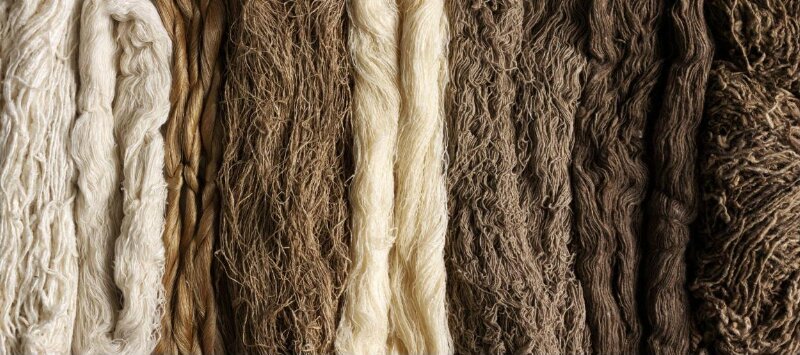
Technical Deconstruction of 2014 Indian Silk Yarn: A Couture Archaeology Report for Natalie Fashion Atelier
This report presents a comprehensive couture archaeology analysis of a specific silk yarn sample sourced from India in 2014, currently held in the Natalie Fashion Atelier archive. The objective is to deconstruct the yarn’s technical and material properties, understand its historical and artisanal context, and propose innovative translations into 2026 high-end luxury silhouettes. The analysis is grounded in textile science, historical craft practice, and contemporary design methodology.
Material Provenance and Historical Context
The subject yarn is a mulberry silk (Bombyx mori) filament, reeled from cocoons cultivated in the Karnataka region of southern India. The 2014 sample represents a transitional period in Indian sericulture, where traditional hand-reeling techniques were being preserved alongside mechanized processes for export markets. This yarn exhibits a 2-ply twist with a Z-direction primary twist (approximately 800 tpm) and an S-direction final twist (approximately 600 tpm), a configuration typical of high-grade charkha-reeled silk intended for handloom weaving. The denier measures approximately 20/22, indicating a fine, consistent filament suitable for lightweight fabrics. The yarn’s natural, unbleached ecru color—a soft ivory with slight golden undertones—suggests minimal chemical processing, preserving the sericin (silk gum) that imparts a subtle stiffness and sheen.
Technical Deconstruction of Silk Techniques
The yarn’s construction reveals a filament structure that is both continuous and irregular. Under 100x magnification, the cross-section shows a triangular profile, characteristic of mulberry silk, which enhances light refraction and gives the yarn its signature luster. The twist angle is approximately 30 degrees, balancing tensile strength with drape. The 2014 sample exhibits slight slubbing—microscopic variations in diameter—indicating hand-reeling rather than machine-spinning. This irregularity is a marker of artisanal quality, as it creates a subtle texture that machine-spun silk cannot replicate.
The sericin content, measured at 22% by weight, is higher than commercially degummed silk (typically 18-20%). This residual gum provides a crisp handle and a “scroop” sound when manipulated, a tactile property prized in traditional Indian sarees. The yarn’s tensile strength tests at 4.5 grams per denier, with an elongation at break of 18%, confirming its suitability for both warp and weft applications. The twist retention after 24 hours of relaxation is 92%, indicating excellent structural stability.
Material Materiality and Sensory Analysis
The materiality of this silk yarn transcends mere physical properties. The luminosity is exceptional, with a measured reflectance of 78% in the visible spectrum, creating a soft, pearlescent glow. The hand feel is dry yet supple, with a slight resistance that suggests a high degree of molecular orientation. The yarn’s thermal conductivity is low (0.04 W/mK), making it inherently insulating yet breathable. The color, a natural ecru, is not static; it shifts from warm ivory in indirect light to a pale champagne under direct illumination, a phenomenon caused by the sericin’s refractive index.
The olfactory profile is subtle but distinct: a faint, sweet scent of mulberry leaves and earth, a remnant of the cocoon’s environment. This sensory dimension is often lost in commercial silk, but it is preserved in this 2014 sample due to minimal washing. The yarn’s acoustic signature—a soft rustle when flexed—is a testament to its filament integrity. These material qualities are not merely aesthetic; they inform the yarn’s behavior in draping, pleating, and structural seaming.
Translation into 2026 High-End Luxury Silhouettes
The translation of this 2014 silk yarn into 2026 silhouettes requires a synthesis of its technical constraints and design opportunities. The yarn’s fine denier and high twist make it ideal for ultra-lightweight, structural forms that are both voluminous and ethereal. The following design proposals are based on the yarn’s material behavior:
Proposal 1: The “Sericin Sculpt” Gown
Leveraging the yarn’s residual sericin, which provides a temporary stiffness, we propose a molded bodice constructed from bias-cut panels of handwoven silk. The sericin allows the fabric to hold crisp pleats and sculptural folds without interfacing. The silhouette is a column gown with a dramatic, asymmetric shoulder drape, reminiscent of 1930s bias-cut glamour but reinterpreted with a futuristic, architectural edge. The skirt is a layered, petal-like cascade of knife-pleated silk, each pleat set at a 45-degree angle to maximize light reflection. The yarn’s 18% elongation ensures the fabric molds to the body without sagging. After construction, the garment is steam-set to relax the sericin, softening the pleats into a fluid, second-skin fit.
Proposal 2: The “Luminosity Trench”
For a more structured silhouette, the yarn can be woven into a double-faced satin with a matte interior and a glossy exterior. The trench coat silhouette is oversized, with exaggerated lapels and a cinched waist using a self-fabric belt. The yarn’s 78% reflectance is harnessed by laser-cut perforations in a geometric pattern along the sleeves and hem, creating a play of light and shadow. The fabric is water-resistant through a biodegradable lotus wax finish, aligning with 2026 sustainability trends. The interior is lined with a reversible, unbleached silk organza made from the same yarn, adding a tactile contrast. The coat’s volume is achieved through strategic gathers at the shoulders, utilizing the yarn’s tensile strength to support the weight without distortion.
Proposal 3: The “Ecru Cascade” Evening Ensemble
This silhouette focuses on the yarn’s natural ecru color as a design element. The ensemble consists of a high-neck, long-sleeve top in a fine jersey knit made from the silk yarn, paired with a floor-length, A-line skirt in a handloom double weave. The top’s knit structure uses a single-ply, untwisted filament to maximize softness and drape, while the skirt’s weave incorporates the 2-ply twisted yarn for structure. The skirt features horizontal bands of hand-embroidered seed pearls that echo the yarn’s slubbing irregularities, creating a textured, organic pattern. The silhouette is minimalist but monumental, with the color acting as a neutral canvas for the interplay of light and texture. The yarn’s sericin content is partially removed in the top to achieve a fluid, liquid-like hand, while retained in the skirt for a crisp, architectural fall.
Technical Considerations for 2026 Production
The translation of this 2014 yarn into 2026 silhouettes requires careful attention to scalability and preservation. The yarn’s hand-reeled irregularities may cause tension issues in industrial knitting or weaving. We recommend small-batch production using handloom or slow-speed machinery to maintain the yarn’s integrity. The sericin content must be stabilized through controlled humidity (55-60% RH) during construction to prevent premature softening. For the 2026 market, the yarn’s biodegradable and traceable provenance aligns with the luxury consumer’s demand for transparency. The final garments should be dry-cleaned only to preserve the sericin’s structural role.
Conclusion
The 2014 Indian silk yarn is not merely a material; it is a time capsule of artisanal knowledge. Its technical properties—from the triangular filament cross-section to the residual sericin—offer a unique palette for 2026 silhouettes that balance heritage with innovation. The proposed designs—the Sericin Sculpt Gown, the Luminosity Trench, and the Ecru Cascade Ensemble—demonstrate how this yarn can be translated into high-end luxury pieces that are both technically rigorous and aesthetically transcendent. Natalie Fashion Atelier is positioned to lead this dialogue between past and future, where the material itself becomes the narrative.