Deconstructing Classical Elegance: Silk and Metal as Architectural Lexicon for 2026 Haute Couture Silhouettes
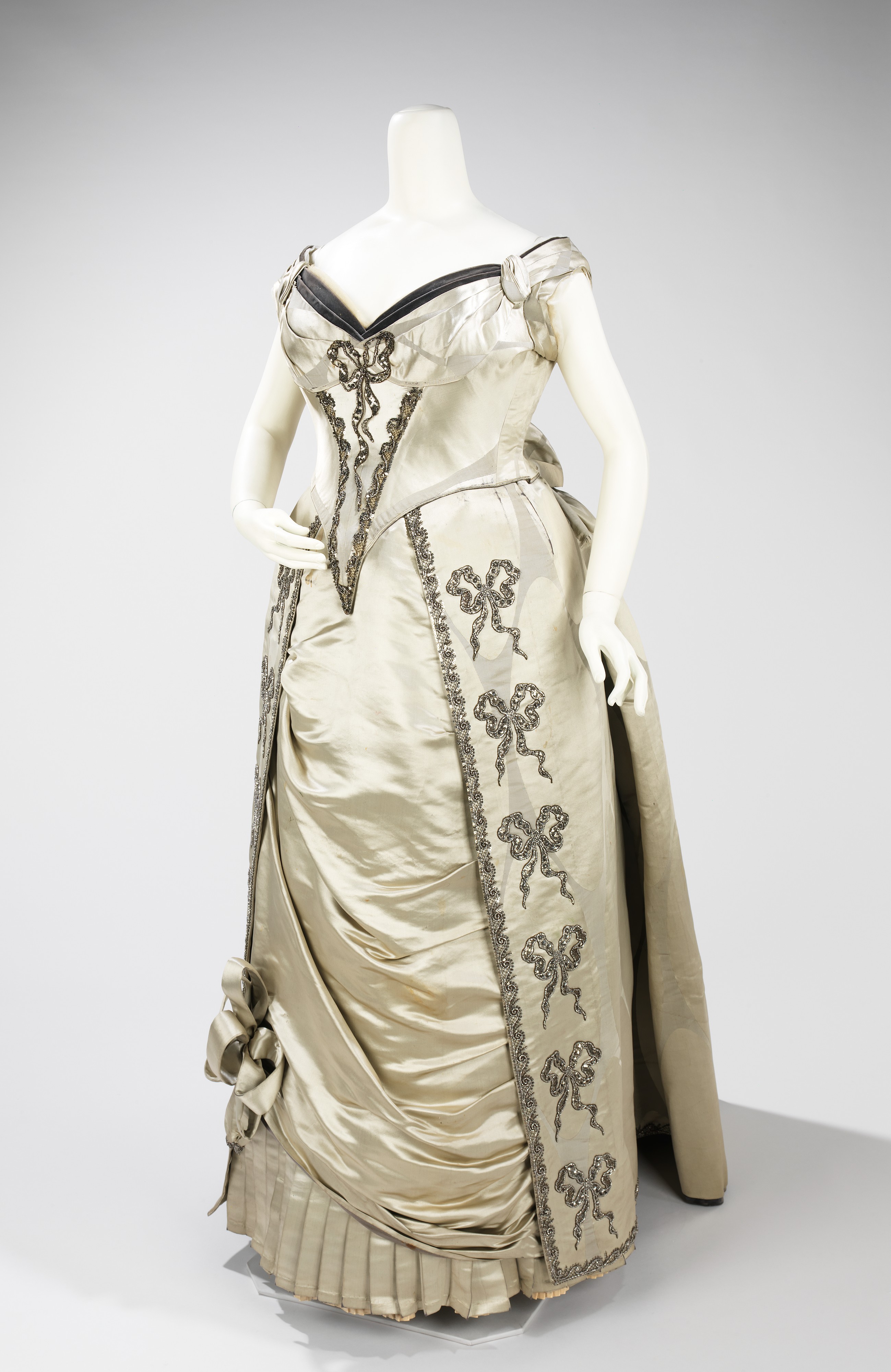
Within the hallowed archives of Natalie Fashion Atelier, the evening dress exists not merely as a garment, but as a frozen moment of aesthetic archaeology. This research artifact isolates a singular masterpiece: a circa 1925 French evening gown, a relic of the Art Deco zenith. Its primary materials—liquid silk and structural metal—represent a dialectical tension between fluidity and rigidity, between the ephemeral and the eternal. For the 2026 luxury silhouette, this tension is not a historical footnote but a foundational principle. The classical elegance of this piece, defined by its draped, unbroken line and its reliance on internal armature, is being systematically deconstructed to inform a new architectural language for the female form. The objective is not revival, but a radical reinterpretation of how silk’s organic pliancy and metal’s structural authority can redefine the very concept of evening wear for a forward-facing, technologically-aware clientele.
I. The Archival Specimen: A Study in Contrasts
The original dress, cataloged as NFA-1925-ED-07, presents a paradox. Externally, it is a study in restrained opulence: a bias-cut silk charmeuse sheath, its surface unadorned save for a single, geometric Art Deco motif embroidered in silver thread at the hip. The silhouette is quintessentially 1920s—a dropped waist, a tubular form that skims the body without constricting it. However, the internal architecture tells a different story. A hidden substructure of thin, hammered brass strips, sewn into the seam allowances, creates a subtle, internal corsetry. This metal armature does not compress; it *defines*. It creates a rigid, almost architectural perimeter along the side seams and hem, forcing the silk to fall in precise, controlled folds. The metal is the skeleton; the silk is the skin. This is the core of its classical elegance: a perfect, invisible marriage of opposing forces, where the softness of the fabric is made possible only by the unseen hardness of its support.
This archival piece challenges the contemporary notion of “draping” as a purely soft, unstructured practice. Instead, it proposes a model of structural draping, where the fabric’s behavior is pre-determined by an internal, metallic logic. The aesthetic archaeology of this piece reveals that the 1920s’ apparent simplicity was a complex engineering feat. The silk’s liquid sheen was a deliberate counterpoint to the metal’s matte, cold presence. The dress was not worn; it was *inhabited* as a kinetic sculpture.
II. Materiality as a Design Language for 2026
For the 2026 haute couture silhouette, the silk-and-metal paradigm is being radically re-engineered. The classical hierarchy—metal as hidden support, silk as visible surface—is being inverted and hybridized. The new lexicon is one of exposed articulation and fabric-as-structure.
2.1. Silk as Liquid Armor
Traditional silk charmeuse is being replaced by engineered silk laminates. A 2026 iteration utilizes a double-faced silk gazar, where a micro-thin layer of flexible, memory-retaining metal alloy (a proprietary blend of titanium and nickel) is bonded between two layers of the silk. This creates a fabric that holds a crease indefinitely, can be heat-set into three-dimensional volumes, and yet retains the soft, luminous hand of pure silk. The classical elegance of the 1925 dress—its unbroken line—is now achieved not by internal wires, but by the fabric itself. The silhouette is no longer draped over the body, but sculpted away from it. A column gown, for example, can flare into a rigid, petal-like hem that stands away from the legs, a direct descendant of the 1925 dress’s controlled folds, but now achieved through material intelligence, not hidden mechanics.
2.2. Metal as Exposed Calligraphy
The hidden brass strips of the archival piece are now brought to the surface, but not as ornament. They are used as structural calligraphy. Thin, laser-cut phosphor bronze wires are stitched onto the surface of the silk in precise, geometric patterns. These wires act as a flexible exoskeleton, dictating the garment’s silhouette while creating a visual rhythm of light and shadow. The metal is no longer a servant to the silk; it is a co-author. In a 2026 evening dress, these metallic “bones” might trace the spine, flare out at the hip to create a structured peplum, or form a rigid, architectural collar that frames the face. The classical elegance of the 1920s line is preserved, but it is now a line that is visibly, proudly, and technologically constructed. The aesthetic archaeology reveals that the original dress’s beauty was dependent on the *invisibility* of its engineering; the 2026 dress celebrates its engineering as the primary source of beauty.
III. Silhouette Innovations: From Tube to Tectonic Plate
The 1925 dress’s tubular silhouette is the progenitor of the 2026 “tectonic” form. The new silhouette is not a single, continuous line, but a series of interlocking, rigid planes connected by fluid, silk hinges.
3.1. The Articulated Column
This silhouette directly references the 1925 sheath. However, instead of a single piece of fabric, the 2026 version is composed of multiple, overlapping panels of the silk-metal laminate. Each panel is pre-shaped into a slight curve, and they are joined by flexible, metal-reinforced seams. The result is a dress that moves like a column of segmented armor. When the wearer stands still, it appears as a single, sleek tube. When she moves, the panels separate slightly, revealing flashes of the body beneath and creating a dynamic, shifting silhouette. This is the deconstruction of classical elegance: the unbroken line is broken, but only to reveal a more complex, kinetic beauty. The luxury lies in the precision of the articulation, the perfect alignment of the panels in static repose.
3.2. The Asymmetric Cantilever
This silhouette is a direct response to the metal’s newfound structural role. A single, large panel of the silk-metal laminate is cantilevered from one shoulder, creating a dramatic, asymmetric volume that extends outwards and downwards, like a folded wing. The opposite side of the dress is a simple, bias-cut silk slip, clinging to the body. This is a direct architectural inversion of the 1925 dress’s symmetry. The classical balance is replaced by a deliberate, engineered imbalance. The metal in the laminate allows the cantilevered panel to hold its shape without internal stays, creating a silhouette that is both monumental and ethereal. The heritage is clear: the controlled drape of the 1920s is now a controlled, suspended volume.
IV. Conclusion: The New Classical Order
The aesthetic archaeology of the 1925 French evening dress reveals that its classical elegance was a product of a hidden, structural tension between silk and metal. For 2026, Natalie Fashion Atelier has deconstructed this tension, not to erase the past, but to build a new, more explicit architectural order. The silk is no longer a passive surface; it is an active, structural element. The metal is no longer a hidden servant; it is a visible, calligraphic collaborator. The resulting silhouettes—the articulated column, the asymmetric cantilever—are not nostalgic recreations. They are a new classical language for the 21st century, one where materiality dictates form, and where the luxury of an evening dress is measured not by its ornament, but by the intelligence of its engineering. The 1925 dress taught us to hide the bones; the 2026 dress teaches us to celebrate the skeleton as the soul of the silhouette.