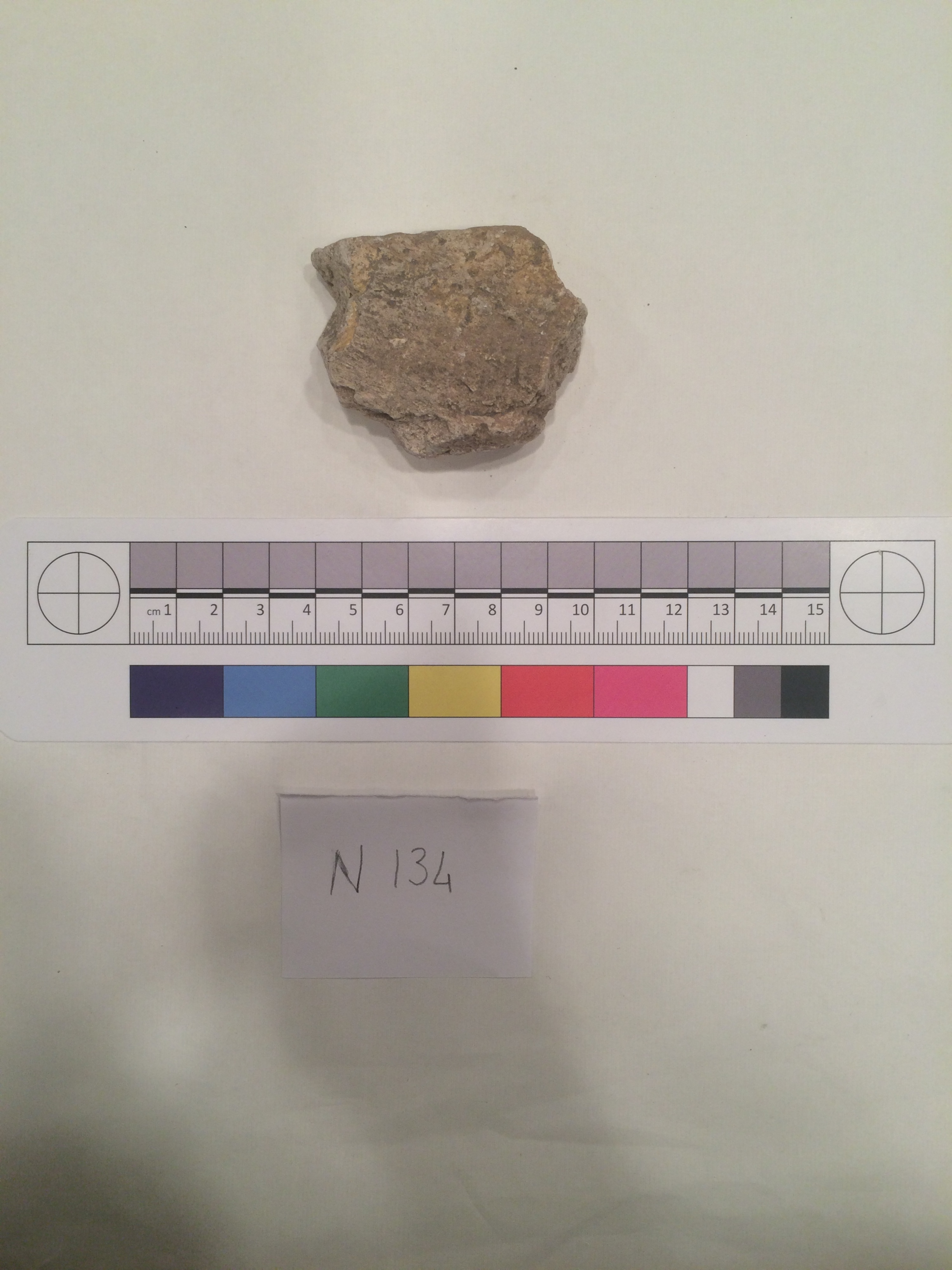
Stucco Fragment: Aesthetic Archaeology and the 2026 Silhouette
Archive Context and Material Provenance
The artifact under examination—a carved and painted stucco fragment—resides within the domain of isolated aesthetic archaeology. Removed from its original architectural or sculptural context, the fragment exists as a pure formal specimen, stripped of narrative but rich in tectonic and chromatic data. Stucco, as a material, occupies a liminal space between sculpture and architecture, its plasticity allowing for both structural support and ornamental excess. In its classical iterations, stucco was not merely a surface treatment but a medium of volumetric expression, capable of simulating marble, wood, or textile through applied polychromy and deep relief carving. For the 2026 couture landscape, this fragment offers a lexicon of compressed dimensionality—where mass is suggested through layered planes, and color is embedded rather than applied.
Deconstructing Classical Elegance
The elegance of this stucco fragment derives from its tension between rigidity and fluidity. The carved lines, though static, imply motion: a fold in drapery, a curl of acanthus, a ripple of water. The painted surface, often executed in tempera or fresco technique, introduces a chromatic hierarchy—ochre, terre verte, cinnabar—that modulates light absorption and reflection. This is not a passive beauty but a calculated orchestration of texture and hue. For the couturier, the fragment teaches that elegance is not synonymous with minimalism; rather, it is the precision of excess—every carved groove, every painted highlight serves a structural and visual purpose. The fragment’s isolated state forces the eye to read it as a complete composition, even in ruin, a principle that directly translates to the autonomous garment in haute couture.
Materiality as Structural Language
Stucco’s inherent plasticity—its ability to be built up, carved back, and painted over—parallels the layered construction of high-end couture. The 2026 silhouette will borrow this additive-subtractive methodology. Garments will be conceived not as flat patterns but as sculptural volumes built from the inside out. The stucco fragment’s painted surface, often applied in successive glazes, informs a new approach to color as depth. Instead of flat dyeing, atelier techniques will employ graduated hand-painting, resin coatings, and embossed pigment to create a chromatic topography. The carved relief of the fragment—its raised and recessed planes—will translate into structural draping where fabric is pleated, tucked, and stitched to mimic the tectonic folds of classical stucco work. Materials such as gazar, duchesse satin, and molded neoprene will be treated with heat-set creases and laser-cut underlays to achieve this stucco-like dimensionality.
2026 Silhouette: The Stucco-Informed Architecture
The 2026 luxury silhouette, informed by this stucco fragment, will reject the soft, amorphous forms of recent seasons in favor of structured, almost archaeological precision. Key elements include:
Shoulder Architecture: Borrowing from the fragment’s carved cornices and volutes, the shoulder line will become a sculptural bracket. Expect exaggerated, asymmetrical shoulder pads that are not padded but molded from resin-infused fabrics, creating a hard-soft hybrid. The silhouette will reference the classical entablature—a horizontal emphasis that grounds the garment.
Waist as Frieze: The waist will be treated as a narrative band, echoing the stucco fragment’s painted and carved frieze. Corsetry will return, but not as restrictive boning. Instead, architectural waistbands will be constructed from layered, stucco-like materials—silicone-coated silk, embossed leather, or hand-molded thermoplastic—that create a rigid, decorative zone around the torso. This band will be painted or patinated to mimic the fragment’s aged polychromy.
Hemline as Ruin: The lower edge of the garment will embrace asymmetry and fragmentation. Instead of a clean hem, the silhouette will feature broken, eroded edges—raw-cut organza, frayed silk, or laser-perforated panels that suggest the decay of time. This is not deconstruction for its own sake but a deliberate reference to the aesthetic archaeology of the stucco fragment, where absence is as eloquent as presence.
Technical Execution: Atelier Protocols
To realize this vision, the atelier will employ a three-phase construction protocol:
Phase One: Substrate Engineering. The base garment will be constructed from a rigid yet breathable foundation, such as a double-faced silk gazar or a micro-perforated neoprene. This substrate will be pre-stressed through heat-setting or chemical treatment to accept the subsequent sculptural layers without distortion.
Phase Two: Carved Layering. Over the substrate, hand-molded panels of resin-coated silk or organza will be applied. These panels will be carved in relief using a combination of heat-press dies, hand-stitched tucks, and applied textile pastes. The result is a tactile, three-dimensional surface that mimics the stucco fragment’s carved depth. Color will be introduced through hand-painted gradients using fabric dyes mixed with matte fixatives, ensuring a chalky, mineral finish rather than a glossy one.
Phase Three: Patination and Aging. The final phase involves controlled distressing. Using techniques borrowed from fresco restoration, the atelier will apply thin washes of pigment that are partially wiped away, revealing the substrate beneath. This creates the illusion of archaeological wear—a garment that appears excavated from a classical site. Micro-cracks will be simulated through fine embroidery in metallic or matte thread, and edge fraying will be hand-finished to avoid a machine-made appearance.
Color and Chromatic Narrative
The stucco fragment’s palette—faded ochre, verdigris, burnt sienna, and ivory—will dominate the 2026 collection. These are not bright or saturated tones but mineral hues that suggest age and permanence. The atelier will develop custom dye formulas using natural pigments (iron oxide, malachite, titanium dioxide) suspended in a matte acrylic binder. This ensures that the color sits on the fabric’s surface like a painted fresco, rather than penetrating the fibers. The result is a chalky, breathable finish that shifts in tone depending on the light—a direct translation of the stucco fragment’s optical depth.
Conclusion: The Fragment as Future
This stucco fragment, isolated from its original context, becomes a blueprint for 2026 luxury. It teaches that elegance is a function of material intelligence, not simplicity. The 2026 silhouette will be archaeological in spirit but futuristic in execution, merging classical carving with modern textile engineering. The atelier will produce garments that are not merely worn but inhabited—each piece a fragment of a larger aesthetic history, reconstructed for the contemporary body. In this, the stucco fragment is not a relic but a prophecy.