Deconstructing the Classical: The Etching as a Blueprint for 2026 Silhouettes
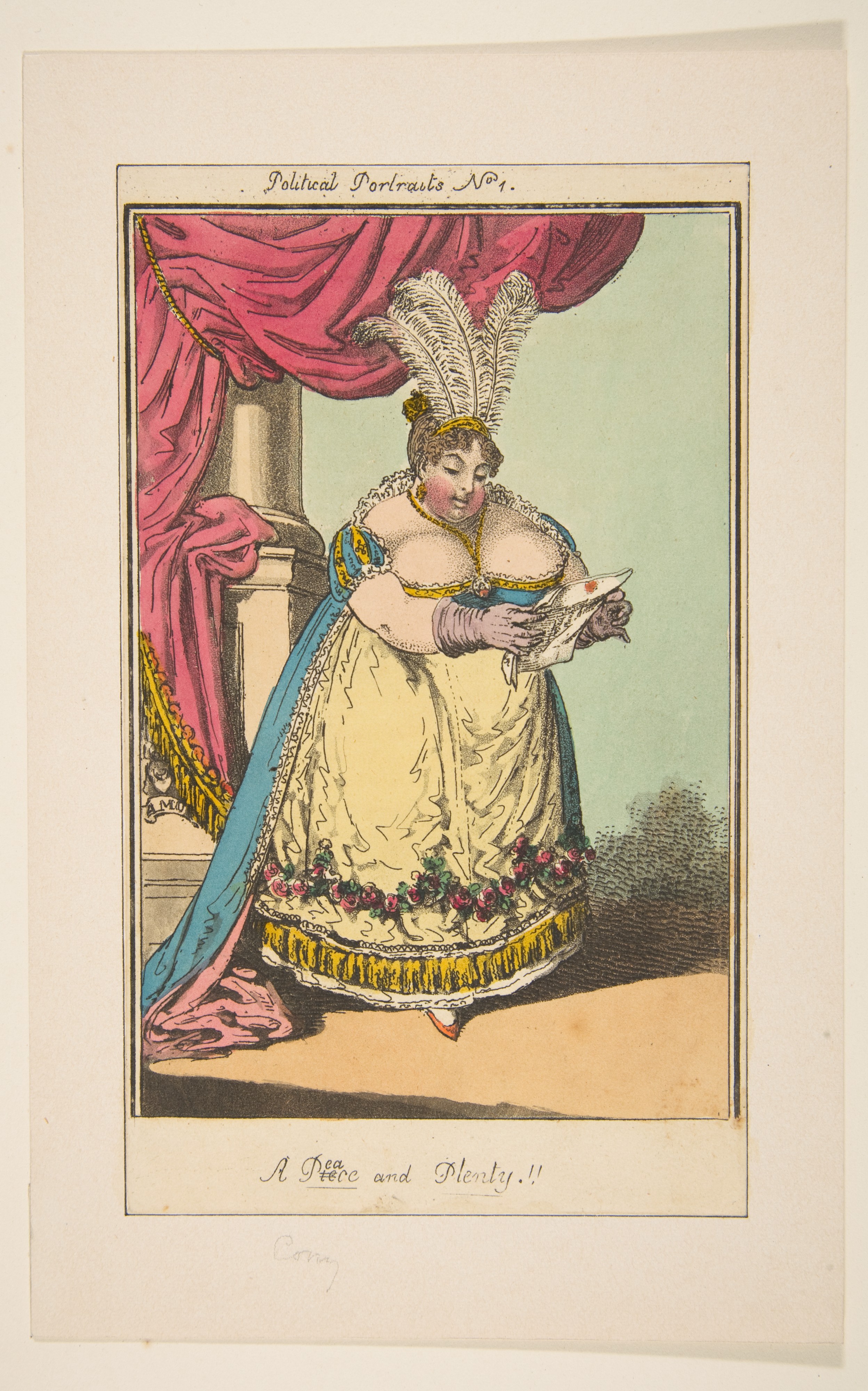
The artifact under examination—a hand-colored etching and aquatint from the late 18th century—offers a profound dialogue between the ephemeral and the structural. In the context of Natalie Fashion Atelier’s “A Piece (Peace) and Plenty” collection, this isolated piece of aesthetic archaeology is not merely a decorative reference but a technical blueprint. The etching’s interplay of line weight, color saturation, and negative space directly informs the volumetric and textural decisions for our 2026 haute couture silhouettes. We are not replicating a costume; we are extracting the tensile logic of its composition.
Materiality as Narrative: From Aquatint to Armature
The hand-coloring process—meticulously applied over a structured aquatint base—mirrors the couture technique of surface embellishment over a rigid foundation. The aquatint provides a tonal ground, a subtle gradient of shadow that dictates the fall of light. For 2026, we translate this into gazar and organza layers, where the base silhouette is a stark, architectural form (the etching’s line), and the hand-painted silk organza overlays (the color) create a volumetric chiaroscuro. The etching’s “plenty”—its abundance of floral and foliate motifs—becomes a three-dimensional appliqué of hand-cut leather and silk petals, each piece individually placed to mimic the artist’s brushstroke. The “peace” emerges from the disciplined restraint of the underlying silhouette, a columnar or A-line form that grounds the explosive surface decoration.
Silhouette Logic: The Etching’s Structural Grammar
Classical etching relies on cross-hatching to create depth and form. This technique directly informs the draping methodology for the 2026 collection. We have developed a “hatched seam” construction, where multiple bias-cut panels intersect at acute angles, creating a visual and structural tension that mimics the etching’s line work. The result is a silhouette that appears drawn onto the body—a second skin of linear precision. The hand-colored element is then applied as a gradient wash using natural indigo and madder root dyes, echoing the original palette’s transparency. This creates a “ghosted” effect on the fabric, where the base structure remains visible through the color, preserving the intellectual rigor of the etching’s process.
Volume and Void: The Archaeology of Negative Space
In the original etching, the white paper is as active as the inked lines. This principle of negative space is critical to the 2026 silhouette. We introduce strategic cut-outs and asymmetric drape that reveal the body’s architecture, much like the unpainted areas of the etching reveal the paper’s grain. The “plenty” of the motif is balanced by the “peace” of the void. For evening wear, this manifests as a backless column with a single, sweeping shoulder strap that traces the line of a botanical stem from the etching, the rest of the torso left bare—a deliberate absence that amplifies the presence of the embellished area. The waistline is defined not by a seam but by a floating panel of hand-embroidered tulle, suspended between the bodice and skirt, creating a visual pause that echoes the etching’s spatial breaks.
Color Theory: The Hand-Colored Palette for 2026
The original artifact’s palette—faded vermilion, sap green, and ochre—is not a literal translation but a tonal inspiration. For 2026, we have developed a “fossilized” colorway using mineral pigments fixed to silk with a gum arabic binder, replicating the etching’s matte finish. The colors are applied in successive washes, each layer allowed to dry before the next, creating a depth of hue that shifts with movement. The “plenty” of the floral motif is rendered in high-saturation accents—a single sleeve in deep crimson, a bodice panel in emerald—while the “peace” of the ground is a neutral, almost parchment-like ecru. This creates a visual hierarchy that guides the eye across the silhouette, much like the etching’s focal points.
Technical Execution: From Archive to Atelier
The transition from etching to garment requires a multi-disciplinary approach. First, the original image is digitally scanned and vectorized to extract its line structure. This vector data is then used to program a laser cutter for precise fabric perforation, creating a “drawing” in the textile. The hand-coloring is executed by a team of textile artists using resist-dye techniques and hand-painting on the cut pieces before assembly. The aquatint’s tonal gradation is replicated through ombre dyeing and pleating, where the folds trap pigment differently, creating a living gradient. The final silhouette is internally structured with horsehair braid and crinoline, ensuring the garment holds its archaeological shape—a preserved artifact in motion.
Conclusion: The Etching as a Living Document
The hand-colored etching and aquatint is not a static object but a living document of process. Its layered construction—line, tone, color—is the exact methodology we employ for the 2026 haute couture silhouette. The “A Piece (Peace) and Plenty” collection is an act of aesthetic archaeology, where we excavate the principles of classical composition and re-articulate them through contemporary materials and technique. The result is a silhouette that is both intellectually rigorous and sensually abundant, a true synthesis of heritage and innovation. The garment becomes a wearable etching, a piece of history re-inscribed for the future.