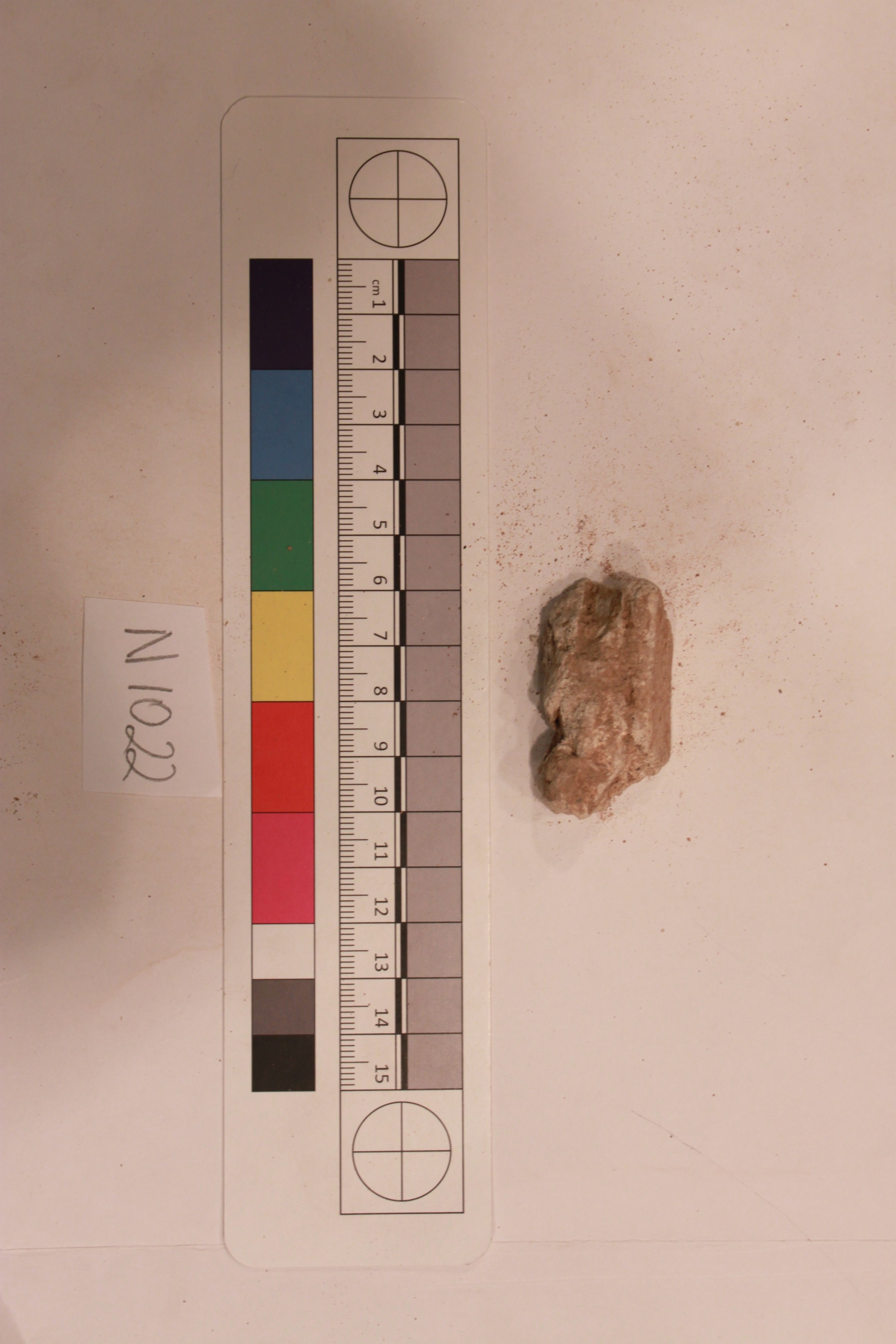
Stucco Fragment: The Archaeology of Carved Volume in 2026 Haute Couture
Aesthetic Archaeology: The Poetics of the Fragment
The isolated stucco fragment, rescued from the detritus of classical architecture, represents a singular moment of arrested elegance. Unlike the pristine, whole form, the fragment speaks in whispers—its broken edges, its worn contours, its subtle gradations of light and shadow. For Natalie Fashion Atelier, this artifact is not a relic to be restored, but a lexicon of form to be decoded. The stucco’s carved surface, once part of a frieze or a cornice, now exists as a pure sculptural object, its original narrative dissolved into pure aesthetic presence. This condition of isolation is precisely what makes it so potent for the 2026 silhouette. The fragment teaches us that luxury is not about completeness, but about the tension between what is present and what is absent, between the known and the imagined.
Materiality and Technique: The Language of Carved Stucco
Stucco, in its classical application, is a material of deception and transformation. Composed of lime, sand, and marble dust, it was applied wet and then carved while still pliable, allowing for an extraordinary range of expression—from the crisp, geometric precision of a dentil band to the fluid, organic undulation of an acanthus leaf. The carved nature of this fragment is paramount. It is not molded or cast; it is subtracted form. The artisan’s hand, guided by a vision of negative space, removed material to reveal volume. This subtractive logic is the foundational principle for the 2026 silhouette. Where traditional couture builds volume through addition—layers of tulle, padding, and boning—the stucco fragment suggests a different approach: volume as a residue of removal, a void made palpable.
The surface of the fragment, weathered by centuries, exhibits a patina of time. The original crispness has softened, edges have rounded, and a micro-topography of micro-fractures and erosion patterns has emerged. This patina is not a flaw; it is a textural record. For the Atelier, this translates into a study of fabric finishes: a matte silk gazar that mimics the dry, chalky feel of old stucco; a double-faced wool crepe that, when pressed and then distressed, captures the subtle undulations of a worn surface; a hand-embroidered lattice of silk threads that recreates the micro-fractures as a deliberate, decorative motif. The 2026 silhouette will not be pristine; it will be a canvas of controlled imperfection, a celebration of the tactile evidence of time.
Deconstructing Classical Elegance: From Architectural Volume to Bodily Silhouette
The classical elegance of the stucco fragment lies in its proportional harmony, even in its broken state. The curve of a volute, the angle of a dentil, the rhythm of a repeating leaf—these elements are not arbitrary. They are derived from a system of ratios and visual weights that create a sense of equilibrium. For the 2026 silhouette, this translates into a new grammar of proportion. We are moving away from the exaggerated, often cartoonish volumes of recent seasons toward a more architectonic approach. The silhouette will be defined by a single, dominant geometric gesture: a shoulder that curves like a broken arch, a hip that swells like a carved cornice, a hem that cuts with the precision of a classical triglyph.
Informing the 2026 Silhouette: Three Key Principles
Principle One: Negative Space as Volume
The stucco fragment’s most profound lesson is the power of the void. The carved areas—the recesses between the leaves, the hollows of the volute—are as significant as the raised forms. In the 2026 silhouette, this manifests as strategic cutouts that are not merely decorative but structural. A gown might feature a deep, sculpted back that follows the contour of the spine, the void created by the fabric’s absence defining the form of the body. A jacket might have a single, asymmetrical shoulder that is built not by padding, but by a carved, rigid panel of organza that creates a negative space between the fabric and the skin. The body itself becomes the positive form, the garment the carved matrix.
Principle Two: The Fragment as a Complete Statement
The fragment is not a part of a whole; it is a whole in itself. This is a radical departure from the traditional couture approach of creating a complete, unified garment. The 2026 silhouette will embrace the aesthetic of the incomplete. A dress might end abruptly at the mid-thigh, the hem raw and unhemmed, as if the fabric itself had been broken. A sleeve might be a single, sculpted piece that covers only the upper arm, leaving the forearm bare. The garment is not a full narrative; it is a poetic fragment that invites the viewer to complete the story. This requires a mastery of proportion and balance, as the garment must feel resolved, not unfinished. The key is in the intentionality of the break—the cut must be as deliberate and precise as the artisan’s chisel.
Principle Three: Surface as Sculpture, Not Decoration
The carved surface of the stucco is not applied decoration; it is the structure itself. The leaves and volutes are not attached to a flat background; they emerge from it, carved from the same material. For the 2026 silhouette, this means that surface and structure are one. A gown’s bodice might be constructed from a single piece of sculpted, heat-set silk that creates a bas-relief pattern of folds and ridges, the volume of the garment emerging directly from the fabric’s manipulation. A coat might be made from a stiffened wool that is cut and then carved with a laser to create a pattern of negative spaces that define the garment’s shape. The embroidery is not a layer on top; it is the fabric’s own topography.
Conclusion: The 2026 Silhouette as a Carved Void
The stucco fragment, in its isolated, weathered beauty, offers a profound redefinition of luxury for 2026. It is not about opulence or excess, but about intentional restraint and sculptural intelligence. The silhouette that emerges from this aesthetic archaeology is one of controlled volume, strategic absence, and textured surface. It is a silhouette that respects the body not as a mannequin to be draped, but as a positive form to be revealed through the careful carving of negative space. The garment becomes a fragment of architecture, a piece of a larger, imagined whole. The wearer is not adorned; she is framed by the void. This is the new elegance of Natalie Fashion Atelier: a luxury born not from accumulation, but from the masterful, deliberate act of removal. The 2026 silhouette is a carved void, and in that void, we find the purest expression of form.