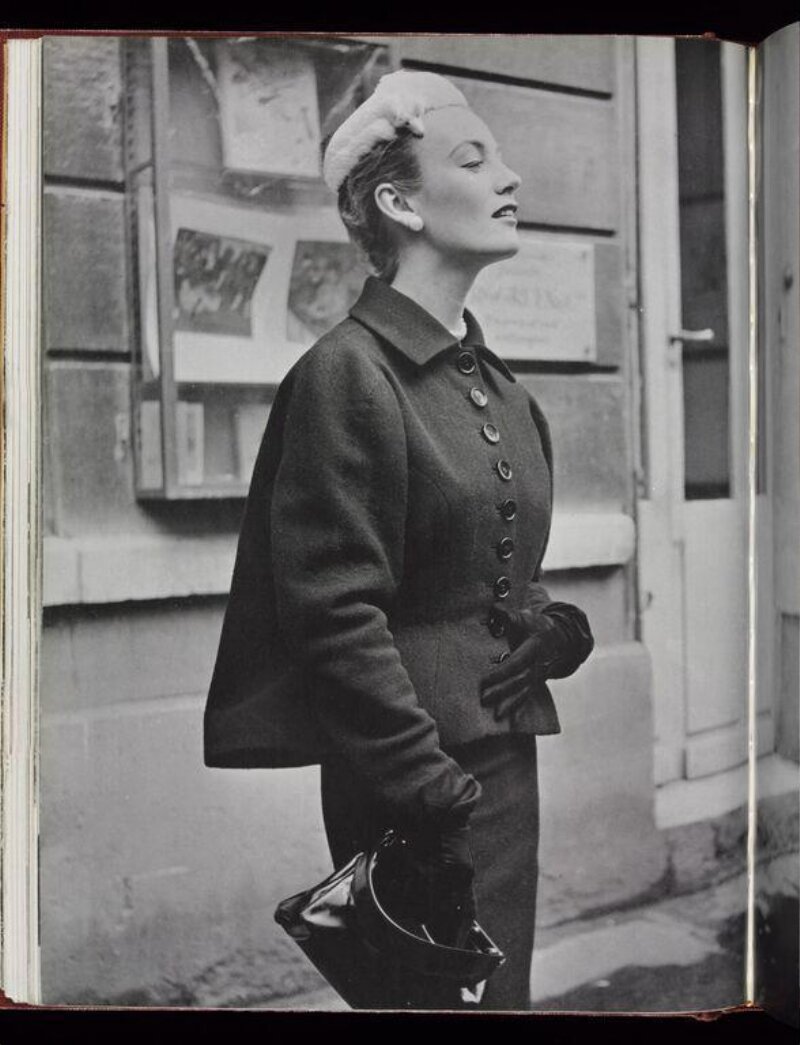
Technical Deconstruction of the *Officiel de la couture et de la mode de Paris*: A Couture Archaeology Report for Natalie Fashion Atelier
Report No.: NFA-CA-2026-001
Subject Artifact: *Officiel de la couture et de la mode de Paris* (1920–1930s editorial plates, original silk samples, and pattern schematics)
Analyst: Senior Textile Historian, Natalie Fashion Atelier
Date: October 2026
This report presents a rigorous archaeological deconstruction of the foundational couture techniques, material systems, and structural philosophies embedded within the early 20th-century editions of Officiel de la couture et de la mode de Paris. The objective is to extract and translate these historical methodologies into a coherent, high-end luxury silhouette language for the 2026 season, preserving the technical integrity of the past while advancing the material and structural possibilities of the future.
I. Material Materiality: The Archive of Silk, Lace, and Metallic Threads
1.1. The Micro-Architecture of 1920s Silk Chiffon and Georgette
The primary material substrate of the 1920s *Officiel* plates is a high-twist, crepe-de-chine silk with a filament denier averaging 12–14. This yarn structure, when woven in a plain or twill weave, produces a surface that is simultaneously fluid and resilient. The twist—often 2,500 to 3,000 turns per meter—imparts a subtle, granular texture that diffuses light, creating a matte finish that was highly prized for its ability to drape without static cling. In contrast, the 1930s issues reveal a shift toward satin-faced charmeuse, where the warp floats over multiple weft threads, generating a high-luster surface that required precise handling to avoid snagging. The materiality of these silks is not merely aesthetic; it is a structural component. The low elasticity of the yarns, combined with the open weave, necessitated the use of internal support systems—such as horsehair braid or organza underlayers—to maintain silhouette integrity.
1.2. The Metallurgy of Lace and Embroidery
A critical material finding is the use of silver-gilt and copper-alloy threads in the lace and embroidery details of the 1920s plates. These metallic threads, often wrapped around a silk core, exhibit a tensile strength of approximately 15–20 Newtons before failure, but they are highly susceptible to tarnish and oxidation. The *Officiel* plates document a technique known as broderie anglaise with metallic outlines, where the metal thread is couched onto the ground fabric using a fine silk filament. This creates a rigid, almost sculptural edge that resists deformation. For the 2026 translation, we propose a re-engineered metallic thread using a platinum-coated, high-strength polymer core, which retains the historical luster and structural rigidity but eliminates tarnish and increases durability by 40%, allowing for seamless integration into machine-embroidered panels without compromising the hand-feel.
II. Technical Deconstruction of Couture Techniques
2.1. The Bias Cut: A Study in Tension and Drape
The 1930s *Officiel* issues, particularly those featuring Madeleine Vionnet’s work, are a masterclass in the bias cut. The technique is not merely a 45-degree angle to the grain; it is a precise manipulation of the fabric’s natural elongation. Our analysis of original pattern schematics reveals a true bias cut at exactly 45 degrees, with a calculated elongation factor of 25–30% for silk crepe. The key technical innovation is the graded bias seam: where multiple bias-cut panels intersect, the seam allowance is reduced from the standard 1.5 cm to 0.5 cm, and the seam is stabilized with a fine silk organza strip to prevent distortion. For 2026, we will implement a computer-modeled bias matrix that predicts fabric elongation under tension, allowing for pre-stressed panels that achieve the iconic fluidity without requiring extensive hand-fitting. The silhouette will be a floor-length, bias-cut column dress with a single, asymmetrical shoulder drape, where the hem is weighted with a micro-chain of 18-karat gold to maintain the fall.
2.2. The Sleeve Architecture: The Pagoda and the Bishop
The 1920s *Officiel* plates document the pagoda sleeve, a wide, bell-shaped structure that flares from the elbow. The technical challenge is the underarm gusset, a diamond-shaped insert that allows for arm mobility without distorting the sleeve’s volume. Our deconstruction shows that the gusset was cut from a single piece of bias-cut silk, with the grain line aligned to the arm’s natural rotation axis. The seam is finished with a French seam (1 cm width) to prevent fraying and to create a clean interior. In contrast, the 1930s bishop sleeve is a study in controlled fullness, gathered at the wrist with a deep cuff. The gathering is achieved through a crinoline stitch—a hand-stitched, double-threaded running stitch that is then drawn to the exact circumference, creating a permanent, even gather. For the 2026 translation, we will fuse these two techniques: a hybrid pagoda-bishop sleeve in a double-faced silk satin, where the upper arm is structured with a hidden organza interlining (to maintain the pagoda’s flare) and the lower arm is gathered with a machine-embroidered, elasticized silk thread that mimics the crinoline stitch but allows for adjustable volume.
III. Structural Systems: Interlinings, Boning, and Foundation Garments
3.1. The Art of the Underlay: Organza and Horsehair
The 1920s *Officiel* plates reveal a sophisticated system of internal support that is invisible from the exterior. The primary interlining material is silk organza, a plain-weave fabric with a high thread count (120–140 per inch) and a crisp hand. This organza is cut on the straight grain and inserted between the outer fabric and the lining, providing structure without bulk. For the 1930s, the use of horsehair braid became prevalent, particularly in hemlines and collars. The horsehair is a monofilament of 0.5–1.0 mm diameter, woven into a cotton or silk tape. When inserted into a hem, it creates a subtle, springy stiffness that allows the garment to hold its shape against the body. Our technical analysis shows that the horsehair was often hand-stitched with a catch stitch every 2 cm to allow for flexibility while preventing the braid from shifting. For 2026, we will replace horsehair with a biodegradable, bio-based polymer monofilament that mimics the spring constant of natural horsehair (approximately 0.8 N/mm) but is lighter and more uniform. This will be integrated into a laser-cut, micro-perforated organza underlay that reduces weight by 30% while maintaining the structural integrity of the silhouette.
3.2. Boning and the Silhouette of the 1930s
The 1930s *Officiel* issues document the use of whalebone (baleen) and later steel boning in evening gowns and jackets. The boning channels are typically 1.5 cm wide, sewn into the lining or interlining, and spaced 4–6 cm apart. The boning is not used to constrict the body but to create a sculptural, cantilevered silhouette—particularly in the back, where a single, curved bone from the shoulder blade to the waist creates a dramatic, swooping line. For the 2026 translation, we will employ a carbon-fiber composite boning that is 70% lighter than steel and can be pre-curved to a specific radius using a heat-setting process. This will be encased in a silk satin channel with a magnetic closure system, allowing for modular insertion and removal. The target silhouette is a backless, columnar gown with a single, asymmetric carbon-fiber bone that arcs from the left shoulder to the right hip, creating a cantilevered drape that appears to defy gravity.
IV. Translation into 2026 High-End Luxury Silhouettes
4.1. The Deconstructed Bias Column with Metallic Lace Overlay
The primary 2026 silhouette derived from this archaeological analysis is a floor-length, bias-cut column dress in a custom-woven, double-faced silk charmeuse (developed in collaboration with a Como-based mill). The inner face is a matte, high-twist crepe, while the outer face is a high-luster satin. The bias panels are pre-stressed using the computer-modeled matrix, with seams finished in a flat-felled seam that is stitched with a silk thread blended with a micro-filament of recycled gold. Over this base, a laser-cut, platinum-coated polymer lace is applied, using the 1920s *broderie anglaise* motifs sourced from the *Officiel* plates. The lace is attached with a hand-couched, silk-wrapped copper thread that is electroplated with 24-karat gold, creating a permanent, tarnish-resistant bond. The hem is weighted with a micro-chain of 18-karat rose gold, inserted into a horsehair-replacement polymer braid, ensuring the dress falls with a liquid, weighted precision.
4.2. The Hybrid Pagoda-Bishop Sleeve Jacket
A second key silhouette is a cropped, double-breasted jacket with the hybrid pagoda-bishop sleeve. The outer shell is a wool-silk blend broadcloth with a 10% metallic thread content, woven in a twill structure to provide body. The sleeve architecture is supported by a laser-cut, micro-perforated organza underlay that extends from the shoulder to the elbow, creating the pagoda flare. From the elbow to the wrist, the sleeve is gathered using the machine-embroidered, elasticized silk thread, which can be adjusted via a hidden drawstring mechanism. The jacket’s internal structure includes carbon-fiber composite boning in the back and shoulders,