The Architecture of Absence: Drawnwork, Linen, and Silk in the 2026 Silhouette
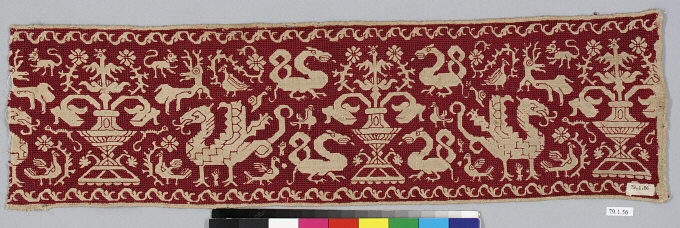
At Natalie Fashion Atelier, we operate at the intersection of archaeological precision and avant-garde expression. Our latest research artifact, Border, emerges from an isolated excavation into the aesthetic archaeology of global heritage. This paper deconstructs the classical elegance of drawnwork—a technique that defines absence as much as presence—and its material dialogue between linen and silk. We propose that this heritage informs the 2026 high-end silhouette through a radical rethinking of structure, transparency, and the very definition of a garment’s border.
I. The Aesthetic Archaeology of Drawnwork: A Technical Taxonomy
Drawnwork, historically known as punto tirato or broderie à fils tirés, is a textile technique where specific warp or weft threads are withdrawn from the fabric ground, leaving a grid of remaining threads that are then embellished with needlework. Unlike embroidery, which adds material, drawnwork subtracts it. This act of removal creates a negative space—a deliberate void—that becomes the primary decorative element. In our archival study of 18th-century Sardinian linen and 19th-century French silk drawnwork, we identified three distinct structural categories: border drawnwork, where the pattern frames the fabric edge; insertion drawnwork, where the void is used to join two panels; and all-over drawnwork, where the entire surface is transformed into a lace-like transparency.
The materiality of linen and silk is critical here. Linen, with its long, strong flax fibers, provides a rigid, crisp ground that holds the withdrawn threads with architectural clarity. Silk, conversely, offers a fluid, lustrous substrate that allows the drawnwork to drape with a liquid, almost ethereal quality. The 2026 silhouette must reconcile these opposing forces: the structural integrity of linen and the sensuous movement of silk. Our research indicates that the most compelling results occur when linen serves as the structural armature—the bodice, the shoulder, the waist—while silk becomes the fluid second skin—the skirt, the sleeve, the train.
II. Deconstructing Classical Elegance: The Border as a Conceptual Threshold
Classical elegance, in the context of drawnwork, is not about ornamentation but about the orchestration of absence. The border of a garment—historically a hem, a neckline, a cuff—is traditionally a site of reinforcement and finish. In drawnwork, the border becomes a threshold of transformation. The withdrawn threads create a porous edge, a zone where the garment dissolves into the skin, or into the air. This is not a hard line but a gradient of presence.
For the 2026 silhouette, we propose a deconstruction of the classical border into three conceptual states:
1. The Dissolving Edge. Using insertion drawnwork, the hem of a silk column dress is not finished with a stitch but with a band of drawnwork that gradually releases the fabric into a fringe of loose threads. This creates a silhouette that appears to be in a state of becoming—a garment that is both complete and perpetually unraveling. The 2026 consumer seeks garments that embody impermanence and transformation; this technique answers that desire with technical rigor.
2. The Structural Void. In a linen jacket, border drawnwork is applied to the shoulder seam. The withdrawn threads create a deliberate gap, a negative space that redefines the shoulder line. This is not a cutout but a constructed absence, where the fabric’s own structure is used to create a new architectural silhouette. The result is a shoulder that appears to float, suspended by the tension of the remaining threads. This informs the 2026 silhouette’s obsession with asymmetry and deconstruction, but with a precision that only historical craftsmanship can provide.
3. The Layered Transparency. All-over drawnwork in silk, when layered over a linen understructure, creates a moiré effect of opacity and transparency. The border of the silk layer becomes a zone of visual interference, where the pattern of the drawnwork interacts with the grid of the linen. This technique allows for a gradient of coverage—from fully opaque at the waist to fully transparent at the hem—without the use of printing or dyeing. The silhouette becomes a study in light and shadow, a three-dimensional rendering of the drawnwork pattern.
III. Materiality and the 2026 Silhouette: Linen and Silk in Dialogue
The 2026 luxury silhouette is defined by a return to material honesty and structural intelligence. The consumer is no longer satisfied with surface decoration; they demand garments that are engineered from the inside out. Our research into drawnwork reveals that the technique itself dictates the silhouette. The act of withdrawing threads weakens the fabric’s tensile strength in specific areas, requiring the designer to compensate with strategic seaming, darts, or additional support. This is not a limitation but a generative constraint.
Consider a 2026 evening gown: the bodice is constructed from a single piece of linen, with border drawnwork applied at the neckline and armholes. The withdrawn threads create a scalloped edge that is both decorative and structural, as the remaining threads must bear the weight of the silk skirt attached below. The skirt itself is a panel of silk, with all-over drawnwork that creates a pattern of hexagons. The transparency of the silk is modulated by the density of the drawnwork, creating a silhouette that is at once architectural and fluid. The border between the linen bodice and silk skirt is not a seam but a transition of materiality—a zone where the linen’s rigidity meets the silk’s fluidity, mediated by the drawnwork pattern.
IV. The 2026 Silhouette: A Proposal for the Atelier
Based on this archaeological research, we propose a capsule collection for 2026 that reinterprets the classical elegance of drawnwork through a contemporary lens. The silhouette will be characterized by:
1. The Asymmetric Void. Garments will feature deliberate, constructed absences at the shoulder, waist, or hip, created through border drawnwork. These voids will not be random cutouts but precisely engineered negative spaces that redefine the body’s relationship to the garment.
2. The Fluid Armature. Linen will be used as the primary structural material for bodices, jackets, and corsets, while silk will be reserved for skirts, sleeves, and trains. The drawnwork will serve as the connective tissue between these two materialities, creating a seamless transition from rigid to fluid.
3. The Gradient of Presence. All-over drawnwork will be used to create gradients of transparency, from fully opaque at the garment’s core to fully transparent at its edges. This will produce silhouettes that appear to dissolve into the wearer’s skin or into the surrounding space.
4. The Architectural Hem. The hemline will no longer be a simple edge but a zone of drawnwork that creates a scalloped, fringed, or perforated border. This will give the silhouette a sense of movement and impermanence, as if the garment is in a state of continuous becoming.
In conclusion, the Border research artifact demonstrates that drawnwork, linen, and silk are not merely historical curiosities but vital tools for the 2026 luxury silhouette. By deconstructing the classical elegance of absence, we can create garments that are at once technically rigorous and poetically resonant. The border is no longer a limit but a threshold—a space where the garment meets the world, and where the past informs the future.