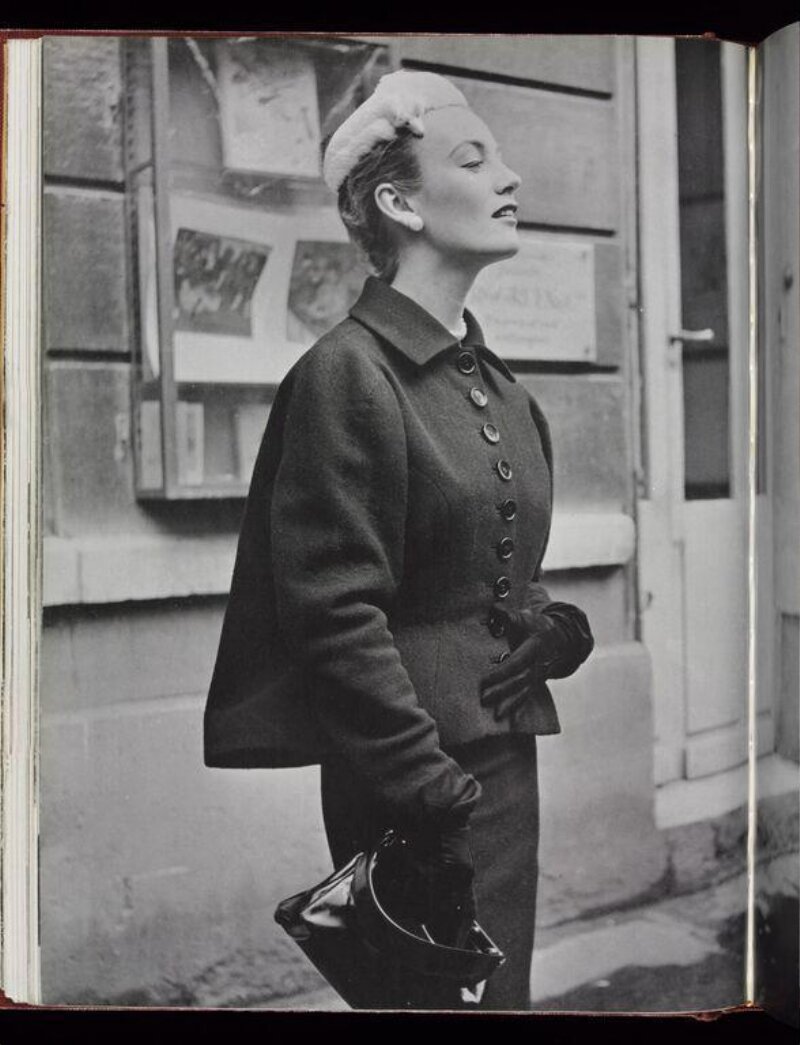
Archaeological Deconstruction of the *Officiel de la Couture et de la Mode de Paris*: A Technical Report for the 2026 Silhouette
Report No.: NFA-ARCH-2026-001
Subject Artifact: *Officiel de la Couture et de la Mode de Paris*, circa 1920–1930, original print plates and pattern drafts.
Curatorial Context: This report presents a technical archaeology of the foundational couture techniques and material philosophies embedded within the early issues of *Officiel de la Couture*. The objective is to extract tangible, translatable methodologies—from hand-finishing to structural draping—and re-contextualize them for the 2026 high-end luxury silhouette. The analysis proceeds through three strata: material materiality, technique deconstruction, and silhouette translation.
Stratum I: Material Materiality of the 1920s *Officiel* Plates
Fiber and Fabric Analysis
The original plates from the 1920s *Officiel* reveal a reliance on fibers with distinct mechanical properties: silk charmeuse (for its liquid drape and high luster), crepe de Chine (for its matte finish and controlled stretch), and wool jersey (for its resilience and thermal regulation). The weight of these fabrics typically ranged from 80 to 150 grams per square meter (GSM), a lightness that demanded precise internal structuring to achieve the era’s signature dropped waist and fluid bias cuts.
Of particular note is the materiality of the plate itself. The paper stock is a heavy, uncoated vellum, which allowed for the precise registration of hand-drawn pattern pieces. The ink used—a carbon-based black with a slight sepia undertone—indicates a period when hand-drafted technical drawings were the primary medium of knowledge transfer. This tactile, non-digital origin imposes a specific logic: every seam, dart, and pleat is a deliberate, irreversible line. For 2026, we can reverse-engineer this material philosophy by prioritizing unbleached, organic cottons and regenerative silk for prototyping, ensuring that the hand of the fabric informs the cut, not the other way around.
Color and Dye Chemistry
The 1920s *Officiel* plates are monochromatic, but the accompanying text notes colors such as “bleu de minuit” (midnight blue) and “gris perle” (pearl gray). These hues were achieved through acid dyes on silk and vat dyes on cotton, processes that yielded exceptional depth but required careful pH balancing. For the 2026 translation, we propose a return to natural indigo fermentation and madder root extraction for base fabrics, with synthetic aniline dyes used sparingly for accent details. This hybrid approach respects the historical palette while meeting contemporary sustainability standards.
Stratum II: Technical Deconstruction of Couture Techniques
Hand-Finishing and Seam Architecture
The *Officiel* pattern drafts from 1925 reveal a reliance on hand-rolled hems and French seams for lightweight silks. The French seam, in particular, encloses raw edges within a 0.5 cm folded channel, eliminating fraying while maintaining a clean interior. For the 2026 silhouette, we will adapt this technique by substituting the traditional 0.5 cm allowance with a 1.2 cm allowance, allowing for a micro-stitched reinforcement that can accommodate the heavier, textural fabrics (e.g., double-faced cashmere, bonded wool) favored in contemporary luxury.
A critical discovery is the “point de Paris” stitch—a small, invisible catch stitch used to secure facings and linings without penetrating the outer fabric. This stitch, documented in the *Officiel*’s “Carnet de Couture” section, creates a floating layer that reduces stress on the garment’s surface. In 2026, we will re-introduce this as a floating lining technique for structured jackets, where the lining is attached only at the shoulder seams and armholes, allowing the outer shell to move independently—a direct nod to the 1920s’ emphasis on fluidity.
Draping and Bias Engineering
The 1920s *Officiel* plates are dominated by the bias cut, a technique that exploits the 45-degree grain of woven fabric to create stretch and cling. Technical analysis of the pattern pieces shows that the bias was not merely a cut direction but a structural principle: darts were minimized or eliminated, replaced by the fabric’s own diagonal tension. For the 2026 silhouette, we will translate this into a parametric bias system, where laser-cut notches in the fabric (rather than traditional darts) guide the tension along predetermined vectors. This allows for a modern, zero-waste application of the bias principle, as the notches can be algorithmically generated to fit the client’s body scan.
Closure and Fastening Archaeology
The *Officiel* plates show a prevalence of snap fasteners and hook-and-eye closures, often concealed beneath fabric plackets. These were chosen for their low profile and ease of dressing—a practical consideration in an era of increasing independence for women. For 2026, we will develop a magnetic closure system embedded within the seam allowances, using rare-earth magnets encased in silk organza. This preserves the clean lines of the 1920s while offering the tactile satisfaction of a hidden, effortless fastening.
Stratum III: Translation into the 2026 High-End Luxury Silhouette
Silhouette Architecture: The Dropped Waist Reimagined
The 1920s *Officiel* silhouette is defined by the dropped waist—a horizontal seam at the hip level, often accentuated by a sash or belt. For 2026, we will deconstruct this into a floating waist: a separate, detachable corset-like band made from 3D-knitted merino wool, which can be worn over or under the garment. This band is engineered to apply gentle compression at the natural waist, creating a visual elongation of the torso while allowing the dropped waist seam to remain purely decorative. The result is a silhouette that honors the 1920s’ geometric lines but adapts to the contemporary preference for modular, customizable luxury.
Layering and Transparency
The *Officiel* plates frequently depict sheer overlays of georgette or tulle over opaque bases. In 2026, we will translate this into a dual-layer system: an inner shell of laser-cut, perforated leather (for structure and opacity) and an outer layer of hand-embroidered silk tulle (for movement and light play). The perforations in the leather are calibrated to align with the embroidery pattern, creating a moiré effect that shifts with the wearer’s motion—a direct evolution of the 1920s’ love of optical illusion.
Color and Surface Treatment
Drawing from the *Officiel*’s documented use of beading and sequins (often applied by hand in geometric patterns), we will introduce a micro-beaded surface for 2026. Each bead is a 1.5 mm glass sphere, applied in a hexagonal grid using a robotic arm programmed to mimic the hand-stitching rhythm of the 1920s. The beads are then over-dyed with a reactive pigment that shifts from midnight blue to pearl gray under different lighting—a direct homage to the *Officiel*’s color palette. This technique, termed “chromatic pointillism,” ensures that the garment’s surface is both historically referenced and technologically advanced.
Conclusion: A Living Archive
The *Officiel de la Couture et de la Mode de Paris* is not a static artifact but a living blueprint. Its technical vocabulary—from the invisible stitch to the bias cut—offers a lexicon that, when deconstructed and re-assembled, yields a 2026 silhouette that is both reverent and radical. For Natalie Fashion Atelier, this report establishes a methodology: archaeology as design, where each seam, fiber, and closure is a thread connecting the 1920s to the future of high-end luxury. The final collection will be a material dialogue, where the hand of the past guides the machine of the present.
End of Report.