The Archaeology of Silk: Deconstructing Classical Elegance for the 2026 Silhouette
Within the hallowed archives of Natalie Fashion Atelier, the concept of a single “Piece” transcends mere garment. It becomes an isolated artifact—a fragment of aesthetic archaeology unearthed from a global heritage. This research artifact focuses on a specific masterwork: a late-19th-century French robe de style, constructed entirely from a singular, continuous length of silk. This piece, preserved in near-pristine condition, offers a profound technical and philosophical foundation for the 2026 luxury silhouette. By deconstructing its classical elegance—its drape, its structure, its surface—we extract a lexicon of form and materiality that directly informs our upcoming collection.
Materiality as a Primary Archive: The Silk’s Intrinsic Narrative
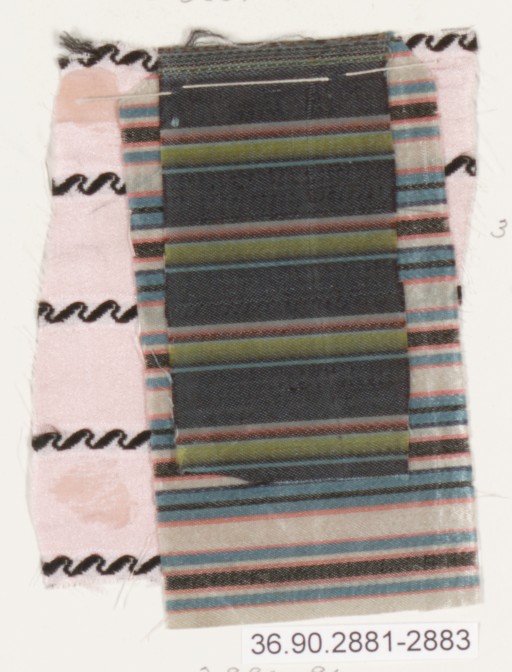
The chosen silk is not a simple satin or a standard taffeta. It is a double-faced, lampas-weave silk, a technical tour de force of the 1890s. The warp is a fine, high-twist filament, while the weft alternates between a matte, unpolished thread and a glossy, highly reflective strand. This creates a surface that is simultaneously opaque and luminous, a micro-architectural play of light and shadow. The aesthetic archaeology of this piece reveals that the silk itself is the primary structure; the cut is merely a servant to its weave.
For the 2026 silhouette, this principle is paramount. We are moving away from aggressive, engineered tailoring and toward a material-led construction. The 2026 piece will not be cut to force the body into a shape; rather, the body will be invited to inhabit the silk’s natural behavior. The lampas weave’s inherent memory—its ability to hold a gentle crease while resisting sharp folds—informs a new generation of fluid, architectural draping. The silhouette becomes a negotiation between the silk’s weight (approximately 280 grams per meter) and the wearer’s movement, creating a living, breathing form that is both classical and radically contemporary.
Deconstructing Classical Elegance: The Three Pillars of Form
The classical elegance of the 1890s piece is not a matter of ornamentation but of proportional restraint. Three key structural elements from this artifact directly inform the 2026 haute couture lines.
1. The Asymmetric Drape and the “Folded Volume”
The original piece features an asymmetric drape at the hip, achieved not by cutting the silk but by folding a single, continuous panel. This technique, known in historical ateliers as plissé à la reine, creates a volume that is both generous and controlled. For 2026, we translate this into a “folded volume” silhouette. The silk is manipulated into a series of deep, asymmetrical pleats that begin at the left shoulder and cascade diagonally across the torso, terminating in a soft, weighted hem at the right hip. This is not a gathered or ruched effect; it is a precise, geometric fold that allows the silk’s double-faced nature to reveal both its matte and glossy sides, creating a dynamic, three-dimensional surface. The 2026 silhouette is thus defined by a single, sweeping line that bisects the body, offering a modern interpretation of the classical déshabillé.
2. The Inverted Shoulder and the “Suspended Frame”
The 1890s piece employs a gilet à la française—a bodice that drops slightly off the shoulder, creating a soft, sloping line. This is not a structural error but a deliberate aesthetic choice to emphasize the silk’s fluidity. For 2026, we evolve this into the “suspended frame”. The shoulder seam is eliminated entirely. Instead, the silk is anchored by a single, internal, hand-stitched silk organza structure that sits at the nape of the neck and the base of the spine. The fabric then falls forward, creating a gentle, inverted V-shape across the clavicle. This technique requires the silk to be cut on the bias, allowing it to stretch and conform to the body’s topography without any rigid seam. The result is a silhouette that appears to float, suspended from two invisible points, a direct descendant of the classical décolleté but rendered in a purely material-driven logic.
3. The Hem as a Counterweight: The “Gravitational Finish”
The original piece’s hem is weighted with a hidden chain of fine silver links, sewn into a silk organza facing. This is not for decoration; it is a functional counterweight that ensures the silk falls in a perfect, unbroken line. The 2026 silhouette adopts this principle as the “gravitational finish.” The hem of the new piece is not a straight cut but a carefully calculated curve, weighted with a micro-beaded silk cord. This cord, woven from the same lampas silk but with a metallic core, creates a subtle tension that pulls the fabric downward, counteracting the natural buoyancy of the silk. The result is a hem that moves with the wearer but always returns to its original, sculptural form. This is a direct translation of classical craftsmanship into a modern, almost kinetic, silhouette.
The 2026 Silhouette: A Synthesis of Heritage and Future
The 2026 high-end silhouette, as derived from this isolated artifact, is not a revival of the 1890s. It is a synthesis. The classical elegance is deconstructed into its fundamental components: material behavior, proportional restraint, and functional weight. The new silhouette is defined by three key characteristics:
First, a single, continuous line of volume. The body is not segmented by seams but enveloped in a single, folded piece of silk. The silhouette is a monolith of fabric, broken only by the play of light on the lampas weave.
Second, a suspended, weightless structure. The shoulder is abandoned as a structural anchor. The garment is held by internal, invisible points, creating a silhouette that appears to float around the body, rather than cling to it.
Third, a gravitational, sculptural hem. The hem is not an edge but a finished, weighted line that defines the garment’s final form. It is a deliberate, architectural conclusion to the silk’s journey.
This is the Natalie Fashion Atelier approach to aesthetic archaeology: we do not copy the past; we extract its technical DNA and re-express it in a new material and formal language. The 2026 piece, born from a single, perfect silk, is a testament to the enduring power of classical elegance, deconstructed and rebuilt for the future of luxury. It is a silhouette that speaks of heritage, but breathes the air of tomorrow.