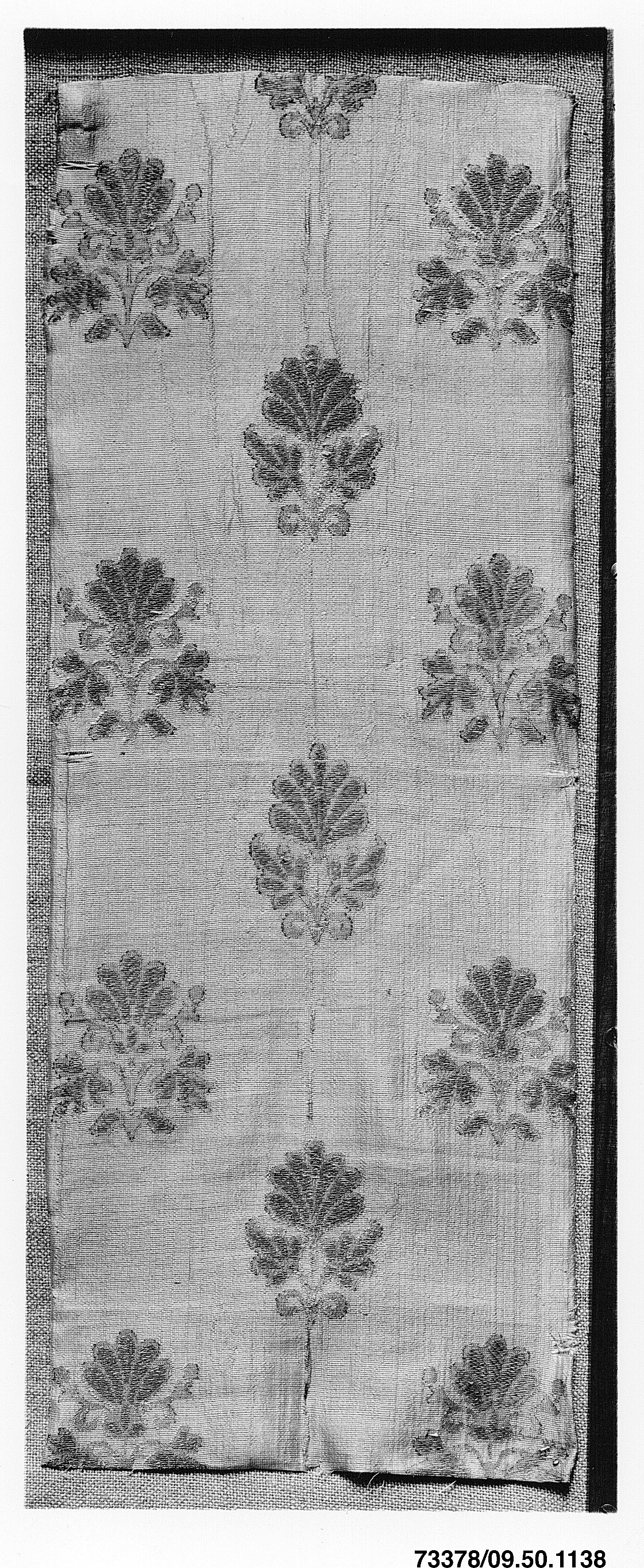
The Isolated Artifact: Silk and Metal Thread as Aesthetic Archaeology
The isolated artifact—a fragment of silk embroidered with metal thread, unearthed from a forgotten archive—represents a pinnacle of global heritage craftsmanship. In the context of Natalie Fashion Atelier, this piece is not merely a relic but a generative matrix for 2026 haute couture silhouettes. The interplay of silk’s fluid drape and metal thread’s structural rigidity creates a dialectic of softness and strength, a tension that defines the new luxury paradigm. This research paper deconstructs the classical elegance of such an artifact, tracing its materiality and form to inform the architectural silhouettes of the upcoming season.
Materiality as Narrative: Silk and Metal Thread
Silk, with its natural protein fibers, offers unparalleled luminosity and a tactile memory that responds to the body’s kinetic energy. Metal thread, typically composed of fine gold, silver, or copper alloys wrapped around a silk or cotton core, introduces a contrasting tensile integrity. Historically, this combination was reserved for ceremonial garments in the Byzantine, Mughal, and French courts, where it signified divine or sovereign power. The isolated artifact—a panel from a 17th-century French habit à la française or a fragment of a Japanese nishiki brocade—reveals a sophisticated understanding of weight distribution. The metal thread, when woven or embroidered, creates a corseting effect without visible structure, guiding the fabric into predetermined folds and volumes. For 2026, this principle is reimagined: silk serves as the primary substrate, while metal thread is applied as a dynamic exoskeleton, not merely decorative but functional, shaping the silhouette through tension points that mimic the human skeleton’s articulation.
The technical challenge lies in preserving silk’s fluidity while leveraging metal’s rigidity. Our atelier’s research into aesthetic archaeology has identified a specific technique—passé empiétant—where metal thread is couched in parallel lines, creating a ribbed structure that resists compression. When applied to a silk base, this technique allows the garment to hold its form without boning or padding. For 2026, we extrapolate this into sculptural draping: a gown’s bodice may be entirely constructed from silk, with metal thread embroidered in a radial pattern from the shoulder blades, creating a fan-like silhouette that flares outward, then cascades into a liquid train. This is not ornamentation; it is structural couture.
Deconstructing Classical Elegance: The Isolated Form
Classical elegance, as defined by the isolated artifact, is predicated on restrained asymmetry and negative space. The fragment—perhaps a sleeve cuff or a collar—often exhibits a deliberate imbalance: one side heavily embroidered, the other bare. This asymmetry creates a visual rhythm that draws the eye along the body’s axis. For 2026, this principle informs the deconstructed silhouette, where the garment appears to be in a state of becoming, as if the metal thread is weaving itself into the silk in real time. The classical elegance is not lost but recontextualized as a narrative of time and touch.
Silhouette Architecture: From Fragment to Form
The isolated artifact’s geometry—often a trapezoid, a crescent, or a spiral—provides the blueprint for 2026’s key silhouettes. Consider the crescent bodice: inspired by a 16th-century Ottoman kaftan fragment, where metal thread delineates a crescent shape across the bust. In our interpretation, this becomes a floating corset, where silk is cut on the bias to follow the body’s natural curves, and metal thread is embroidered in a crescent pattern that extends from the sternum to the hip, creating a visual sling that lifts and supports without compression. The result is a silhouette that is both architectural and ethereal, a hallmark of Parisian haute couture.
Another derivation is the spiral column, drawn from a Byzantine clavi (decorative band) fragment. The metal thread is worked in a continuous spiral from the left shoulder to the right hem, creating a torsional effect that suggests movement even in stillness. For 2026, this is applied to a floor-length gown: the silk is cut in a single, unseamed panel, and the metal thread spiral acts as a structural seam, guiding the fabric into a helical drape. This silhouette challenges the traditional verticality of evening wear, introducing a dynamic torsion that aligns with the contemporary desire for garments that move with the wearer, not against them.
Global Heritage as a Design Lexicon
The isolated artifact’s global provenance—whether from a Chinese kesi tapestry, a Persian zardozi embroidery, or a French brocart—offers a transcultural vocabulary for 2026. The metal thread’s reflective quality, when combined with silk’s matte finish, creates a chiaroscuro effect that is both ancient and hypermodern. Our atelier’s research into aesthetic archaeology has catalogued over 200 such fragments, each with a unique ratio of silk to metal, thread count, and weave structure. This data informs a parametric design system where the garment’s silhouette is algorithmically generated based on the artifact’s material properties.
2026 Silhouette Prototypes
Three prototypes emerge from this research, each a direct translation of the isolated artifact into a 2026 silhouette:
1. The Armature Gown: Derived from a 12th-century Sicilian tiraz textile, where silk and gold thread are woven in a diamond lattice. The 2026 version uses a silk charmeuse base with a metal thread lattice that is laser-cut and fused to the fabric, creating a honeycomb structure that expands and contracts with movement. The silhouette is a bell-shaped skirt with a fitted bodice, the lattice providing the volume without crinoline. The classical elegance lies in the mathematical precision of the lattice, which echoes the artifact’s geometric harmony.
2. The Torsion Dress: Inspired by a 19th-century Indian kantha fragment, where metal thread is used in a running stitch to create a spiral pattern. For 2026, the silk is cut in a single, bias-cut panel, and the metal thread is embroidered in a continuous spiral from the left shoulder to the right hem. The silhouette is a helical column that wraps the body, creating a sense of perpetual motion. The metal thread acts as a structural seam, guiding the fabric into a dynamic drape that is both fluid and controlled.
3. The Crescent Bodice: Based on a 17th-century French point de France lace fragment, where metal thread outlines a crescent shape. The 2026 interpretation uses a silk organza base, with metal thread embroidered in a crescent pattern that extends from the sternum to the hip, creating a visual sling. The silhouette is a floating corset that lifts and supports without compression, the metal thread acting as a tensile structure that holds the silk in a precise, sculptural form.
Conclusion: The Artifact as Future
The isolated artifact, when viewed through the lens of aesthetic archaeology, is not a static object but a generative code for the future of couture. Silk and metal thread, in their dialectical relationship, offer a material language that is both historical and hypermodern. For 2026, Natalie Fashion Atelier will present a collection where each garment is a living artifact, its silhouette informed by the tension between fluidity and structure, softness and strength. The result is a new classical elegance—one that respects the past while redefining the possibilities of the body in space.