Archaeology of the Loom: Deconstructing Classical Silk for the 2026 Silhouette
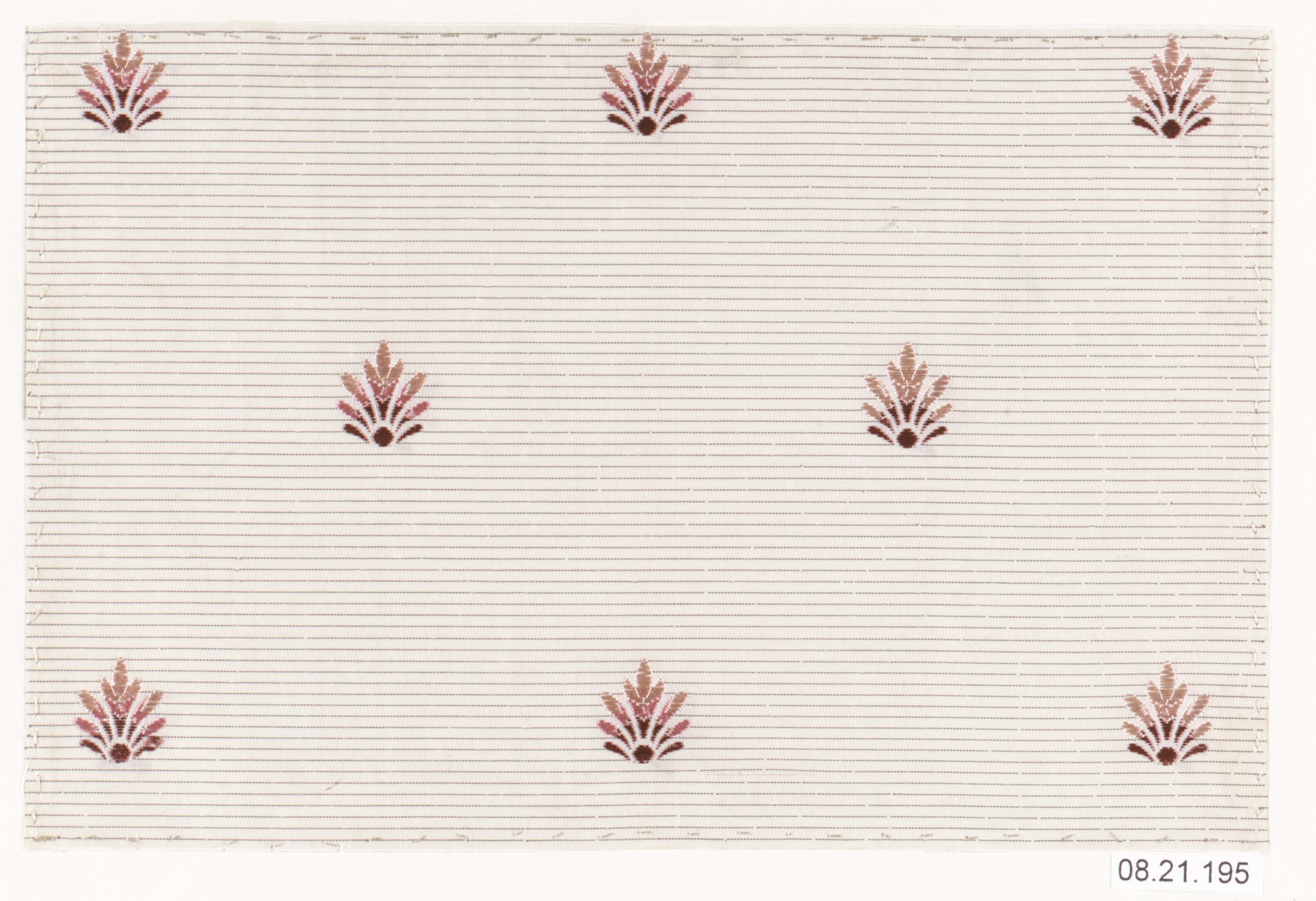
The textile sample in question—a fragment of 18th-century *Gros de Tours* silk, recovered from a provincial atelier in Lyon—presents a paradox of materiality. Its surface is a study in controlled tension: a warp-faced weave of raw, unbleached silk, its irregular slubs catching the light like geological strata. This is not the polished, homogenized silk of contemporary mass production. It is a relic of a pre-industrial aesthetic, where the hand of the artisan and the caprice of the silkworm were not imperfections to be erased, but signatures of authenticity. For Natalie Fashion Atelier, this sample serves as a primary artifact in our ongoing practice of aesthetic archaeology—the excavation of historical material logic to inform the structural grammar of 2026 luxury silhouettes.
Materiality as Narrative: The Unbleached Ground
The sample’s chromatic foundation is a pale ecru, a tone that defies the binary of white or beige. It is the color of raw silk before the dye bath, a hue that speaks of the cocoon’s organic origin. In the context of 2026 Haute Couture, this unbleached ground is not a mere base; it is a deliberate statement of material honesty. The 2026 silhouette, as we project it, will reject the synthetic brilliance of high-gloss satins in favor of nuanced, matte surfaces that absorb rather than reflect light. This shift is a response to a cultural demand for authenticity—a desire for garments that do not perform, but exist.
The weave itself—a subtle ribbed structure created by alternating warp threads of varying thickness—produces a fabric that is both substantial and pliable. This duality is critical. In our 2026 collections, we will deploy this structural memory to create architectural draping that holds its form without internal boning. The ribbing acts as a natural grid, allowing the fabric to fold along predetermined lines, much like the pleats of a Fortuny gown. The result is a silhouette that is simultaneously rigid and fluid—a paradox that defines the new luxury.
From Fragment to Form: The 2026 Silhouette Architecture
The classical elegance of this silk sample lies not in its ornamentation, but in its structural logic. The 18th-century weaver understood that the fabric itself was the primary sculptural element. The 2026 silhouette, informed by this principle, will move away from the deconstructivist chaos of the past decade toward a renewed formalism. We propose three distinct silhouette archetypes, each derived from the sample’s material properties:
1. The Cocoon Column: Drawing directly from the silk’s organic, unbleached quality, this silhouette is a single, continuous line from shoulder to hem. The fabric’s ribbed structure allows for a controlled drape that flares gently at the base, mimicking the shape of a silkworm’s cocoon. The garment is cut without darts or seams on the body; instead, the weave’s natural tension creates the volume. This is a silhouette of minimalist monumentality, where the absence of construction is the ultimate luxury.
2. The Ribbed Armature: The alternating warp threads of the *Gros de Tours* suggest a second archetype: a structured bodice that uses the fabric’s ribbing as a visible exoskeleton. Here, the silk is not draped but engineered. The ribs are aligned vertically to create a corset-like effect, but without the rigidity of steel or whalebone. The fabric’s pliability allows the body to move within the structure, creating a silhouette that is both protective and revealing. This is a direct homage to the 18th-century *robe à la française*, but stripped of its rococo excess in favor of a pure, architectural line.
3. The Unfolded Pleat: The sample’s subtle ribbing also informs a third silhouette: a skirt or train that is pleated not by heat or pressure, but by the fabric’s own weave. When cut on the bias, the ribbed silk falls into natural, irregular folds that recall the pleats of a classical Greek chiton. The 2026 version, however, is a study in controlled chaos. The pleats are not uniform; they are guided by the sample’s slubs and irregularities, creating a silhouette that is unique to each garment. This is luxury as a singular event, not a repeatable pattern.
The Atelier Methodology: From Archive to Atelier
The translation of this archaeological fragment into a 2026 silhouette requires a rigorous atelier methodology. First, the sample is digitally mapped to capture its weave density, tension points, and chromatic variations. This data is then used to program a custom Jacquard loom, which reproduces the ribbed structure at a scale suitable for full-garment production. The unbleached ecru is sourced from a single silk farm in the Luberon, where the silkworms are fed a specific mulberry leaf to replicate the organic slubs of the original.
The cutting process is equally precise. The fabric is laid out on a marble slab, and the pattern pieces are traced with a bone folder—a nod to the pre-industrial techniques of the 18th-century atelier. The seams are sewn with a silk thread of the same ecru, using a French seam that encases the raw edges, preserving the fabric’s integrity. The final garment is not pressed; it is steamed lightly to allow the ribbing to relax into its natural drape.
Conclusion: The Luxury of Restraint
The classical elegance of this silk sample is not a matter of ornament or surface beauty. It is a lesson in material restraint. The 2026 silhouette, as informed by this artifact, will be defined by its ability to do more with less—to create volume, structure, and movement from a single, unadorned weave. This is the new luxury: a garment that does not shout, but whispers its provenance through the very logic of its construction. For Natalie Fashion Atelier, the future of Haute Couture lies not in innovation for its own sake, but in the deep, archaeological understanding of the materials that have always defined our craft. The silk speaks; we listen, and we cut accordingly.