Deconstructing the Lumière: A Technical Analysis of Glass and Silk in French Accessory Heritage
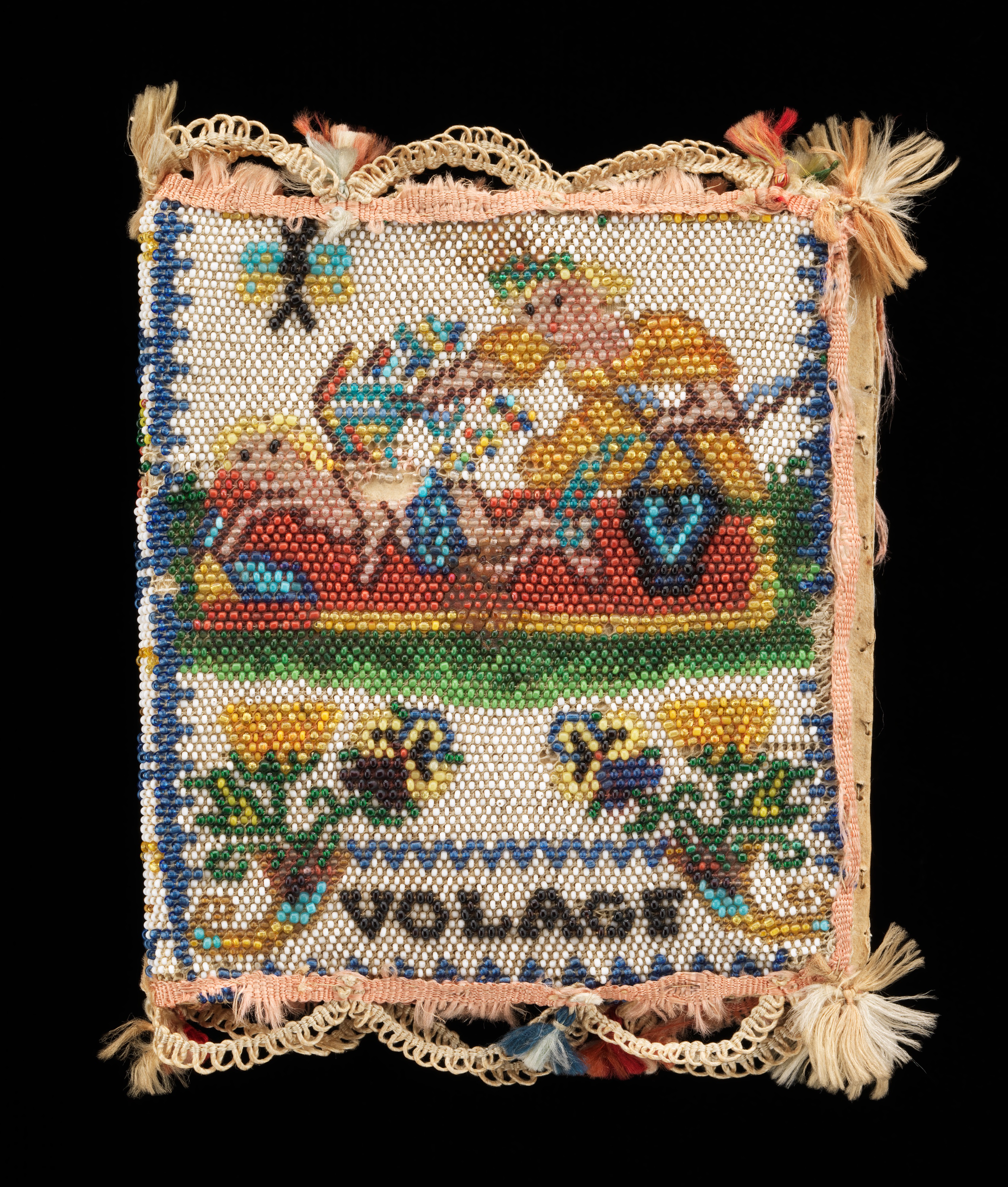
Within the isolated field of aesthetic archaeology, certain artifacts resist mere categorization as objects; they exist as crystallized principles of elegance. For Natalie Fashion Atelier, the study of French accessory heritage—specifically the confluence of glass and silk in the late 19th and early 20th centuries—provides not merely inspiration, but a foundational technical lexicon. This research artifact isolates and deconstructs the classical elegance embodied in pieces such as *mouche* bottles, *flacons* with silk cordage, and the delicate *fanlights* of Belle Époque parasols. Their elegance is not a passive quality, but an active dialogue between structural rigidity and fluid drapery, transparency and opacity, cold reflection and warm tactility. It is this precise dialogue that directly informs the silhouette architecture and material intelligence required for the 2026 high-end wardrobe.
Archaeology of a Dialectic: The Inherent Contradiction of Glass & Silk
The classical elegance of these heritage pieces arises from a masterful negotiation of inherent material contradictions. Glass, formed from silica and potash, is a material of absolute structure and unforgiving permanence. When blown or molded, it captures a moment of liquid form, freezing it into a definitive shape that interacts with light through refraction, reflection, and transparency. Silk, by contrast, is a protein filament, a material of infinite pliability and organic ephemerality. Its elegance lies in its ability to suggest form through movement, to absorb and soften light, and to communicate directly with the skin. In archival objects, this dialectic was often resolved through a clear hierarchy: glass as the central, precious vessel or ornament; silk as the functional, subordinate accent (e.g., tassels, cords, protective linings). The 2026 opportunity lies not in replication, but in deconstructing this hierarchy and allowing the dialectic to become the design engine itself.
Technical Deconstruction: From Ornament to Exoskeleton
A close technical reading of archival glasswork reveals surfaces etched, cut, or molded with geometric precision or organic motifs. These are not mere decorations; they are light-manipulating architectural schemes. Similarly, the silk used was rarely plain; it involved complex weaves (ottoman, faille), intricate dye techniques (ombre, chiné), or embroidery that gave the textile its own dimensional language. For the 2026 silhouette, this translates into a move away from accessory-as-accoutrement toward accessory-as-prosthetic, an integrated exoskeleton that extends the body's line.
Imagine a bodice where thermo-formed glass micro-plates, inspired by the facets of a *flacon*, are linked by laser-cut silk organza ligaments. The glass provides a rigid, luminous armature that sculpts the torso, while the silk ligaments allow for controlled articulation and breathability, creating a play of shadow and light across the body's topography. The silk is no longer a lining but a structural, load-bearing element. This approach informs silhouettes that are simultaneously architectural and fluid, creating a new category of "hard-soft" tailoring for eveningwear and avant-garde daywear.
Material Intelligence for 2026: The New Lumière Silhouette
The 2026 high-end consumer seeks not just beauty, but narrative and cognitive resonance. The glass-and-silk dialectic directly addresses this through three key silhouette innovations:
1. The Translucent Carapace: Building on the notion of the exoskeleton, outer layers will incorporate panels of silk-fused laminated glass mesh or flexible, transparent composite polymers inspired by glass chemistry. These panels, positioned over matte silk foundations, create a dynamic visual depth, blurring the line between garment and accessory. A tailored coat, for instance, features a "window" of this composite over the shoulder, revealing the intricate silk cordework of the underlying dress—a direct evolution from the silk cords on a glass *flacon*.
2. Light-Capture Draping: Here, silk takes the lead. Using advanced cutting techniques derived from the study of parasol *fanlights*, silk duchesse satin or gazar is cut on parabolic curves that allow it to hold sculptural, wing-like forms. The innovation lies in treating the silk's surface with a microscopic, vapor-deposited glass coating—invisible to the touch but capable of catching and refracting light at specific angles. The silhouette thus becomes a dynamic light-source, changing its visual weight and contour with the wearer's movement.
3. Kinetic Articulation: The most profound application lies in movement. Historical glass beads on silk fringes created a soft, percussive sound and a specific, weighted drape. 2026 evolves this into silicon-glass hybrid "articulation beads" strung on tensioned silk threads integrated into seam lines or hem treatments. These beads act as both flexible joints and light-prisms, allowing sections of a skirt or sleeve to articulate with a precise, graceful kinetic rhythm, creating a silhouette that is never static.
Conclusion: The Isolated Artifact as Future Blueprint
Through the isolated lens of aesthetic archaeology, the classical French glass-and-silk accessory is redefined. It is no longer a quaint relic but a blueprint for a sophisticated material and structural philosophy. For Natalie Fashion Atelier, this research dictates a path forward where elegance is engineered from the inside out. The 2026 silhouette will be defined by this mastered contradiction: the luminous rigidity of glass informing form, the sensual intelligence of silk enabling motion. The result is a couture language that is profoundly Parisian in its respect for heritage craftsmanship, yet radically future-facing in its application—where the accessory does not complement the silhouette, but fundamentally constructs it.