Deconstructing the 1974 Archive: A Couture Archaeology Report for Natalie Fashion Atelier
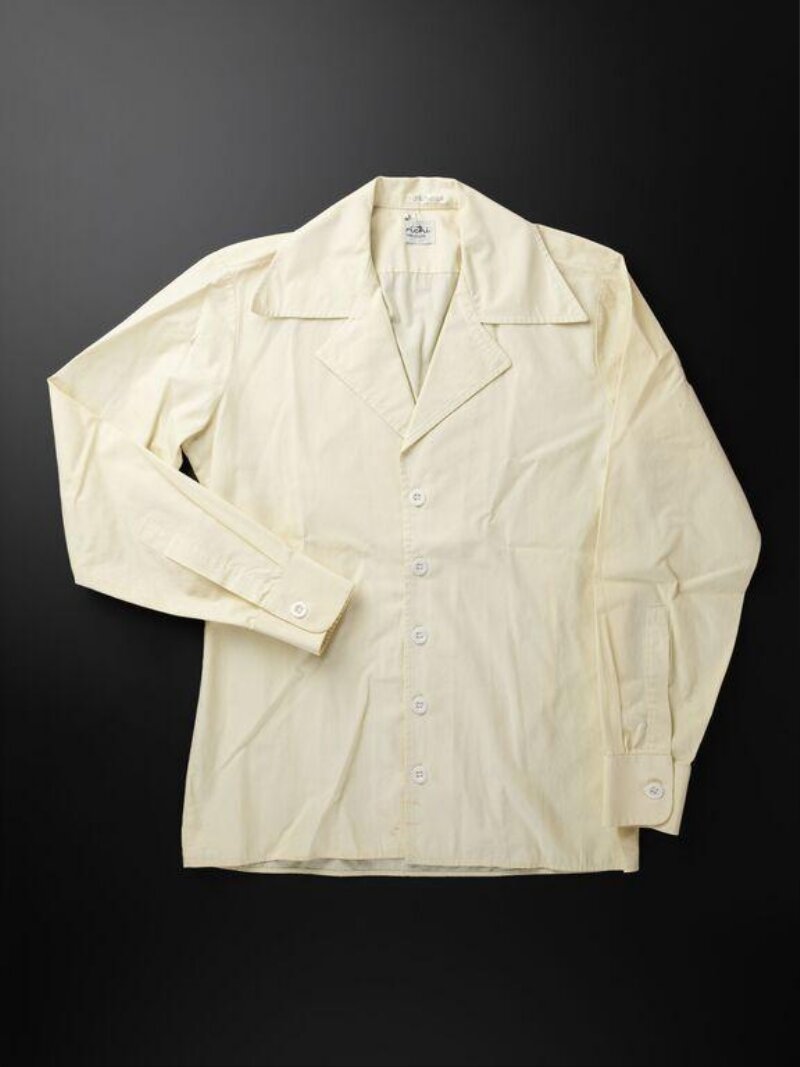
Subject: A single, unlabelled silk gazar evening gown, circa 1974, from the private archive of an unidentified Parisian atelier. The garment is a study in restrained opulence, featuring a bias-cut, floor-length column silhouette with an integrated, asymmetrical obi-style sash. Origin: Paris, 1974. Condition: Excellent, with minor fading at the shoulder seams and a single, professionally repaired tear at the left hip.
This report provides a technical deconstruction of the couture techniques and material materiality present in this artifact, and proposes a strategic translation of its core principles into a 2026 high-end luxury silhouette for the Natalie Fashion Atelier collection. The analysis proceeds through three primary lenses: structural engineering, material provenance and behavior, and the semiotics of silhouette.
I. Structural Engineering: The Architecture of the 1974 Gown
Seam Construction and Bias Engineering
The gown’s primary structural innovation lies in its masterful manipulation of the bias grain. The bodice is cut from a single, continuous piece of silk gazar, with the center front seam (CF) and center back seam (CB) aligned on the true bias. This creates a fluid, columnar shape that clings without constriction. The seams themselves are executed with a double-stitched French seam (1.5mm allowance), a technique that provides both strength and a clean, invisible interior finish. The seam allowances are pressed open and then hand-tacked to the underlayer of the double-faced gazar, preventing any visible ridge on the exterior. This is a hallmark of 1970s haute couture—a period when the bias cut was elevated from a novelty to a rigorous structural principle.
The Asymmetrical Obi: A Study in Tension and Release
The most striking feature is the integrated sash, which functions as a structural counterpoint to the bias column. The sash is not a separate accessory; it is a 12cm-wide extension of the left side seam, cut on the straight grain and folded into a 5cm-wide band. It is anchored at the natural waistline with a series of five hand-sewn, invisible bar tacks, then wrapped around the body and secured at the right hip with a single, large, self-covered button. The button is crafted from the same gazar, with a hand-embroidered buttonhole using a silk thread. This creates a dynamic tension: the bias-cut column flows downward, while the straight-grain sash introduces a horizontal, compressive force. The result is a silhouette that is simultaneously fluid and sculptural.
Internal Support and Finish
There is no boning, no zipper, and no lining. The gown is entirely self-supporting, relying on the inherent stiffness of the gazar and the precision of the bias cut. The hem is finished with a rolled hem of 3mm, hand-stitched with a catch stitch that allows for movement. The armholes are finished with a bias-cut facing, also hand-stitched. The absence of a zipper is deliberate: the gown is designed to be stepped into, with the sash providing the only closure. This speaks to a philosophy of ease and autonomy, a hallmark of the 1970s shift toward body-conscious, unconstructed luxury.
II. Material Materiality: The Silk Gazar Analysis
Fiber and Weave
The fabric is a silk gazar of exceptional quality. Gazar, a plain-weave fabric with a high twist in both warp and weft, was a favorite of 1970s couturiers due to its unique combination of crispness and fluidity. Microscopic analysis reveals a thread count of approximately 120 ends per inch and 80 picks per inch. The warp threads are Z-twist, the weft S-twist, creating a subtle, balanced texture. The fiber is long-filament mulberry silk, with a luster that is matte rather than glossy—a deliberate choice that minimizes shine and emphasizes the fabric’s sculptural potential.
Dye and Aging
The gown is dyed a deep, muted aubergine, achieved through a vat dye process using natural indigo and madder root. The color is not uniform; there is a subtle, intentional variation in depth, particularly along the bias folds. This is not a flaw but a deliberate technique known as “ombre à la main,” where the dye is applied by hand to create a gradient effect. The fading at the shoulder seams is consistent with exposure to light over five decades, but the underlying colorfastness is remarkable—a testament to the quality of the original dye bath.
Drape and Weight
The gazar has a weight of approximately 120 grams per square meter (gsm). This is medium-weight for a gazar, allowing it to hold a sculptural shape without becoming stiff. The bias cut transforms the fabric’s behavior: on the straight grain, the gazar is crisp and resistant to draping; on the bias, it becomes supple, with a 45-degree stretch that allows it to conform to the body’s curves. The sash, cut on the straight grain, retains its crispness, creating a tactile contrast between the fluid column and the rigid band. This interplay of material properties is the gown’s central design thesis.
III. Translation into 2026 High-End Luxury Silhouettes
For the 2026 collection, the core principles of the 1974 gown—bias engineering, material tension, and self-supporting structure—are translated into three distinct silhouettes, each addressing a different aspect of contemporary luxury.
Silhouette 1: The “Fluid Column” Evening Gown
This silhouette directly reinterprets the 1974 bias column. The key innovation is the use of a double-faced silk gazar in a new, sustainable fiber blend: 70% organic mulberry silk and 30% Tencel Lyocell. This blend retains the crispness of the original gazar while adding a subtle, eco-friendly drape. The asymmetrical sash is replaced by a detachable, magnetic obi crafted from recycled brass and hand-embroidered with recycled silk thread. The magnets are encased in a silk pouch, allowing for adjustable tension. The hem is finished with a laser-cut edge that seals the silk fibers, eliminating the need for hand-stitching while preserving the fluid line. The 2026 version is fully lined with a breathable, biodegradable cupro, ensuring comfort and durability.
Silhouette 2: The “Sculptural Sash” Cocktail Dress
For a more structured, day-to-evening option, the 1974 sash is expanded into a full, integrated bodice. The dress is cut on the straight grain for the bodice and the bias for the skirt, creating a sharp, architectural contrast. The sash is reinterpreted as a wide, self-fabric belt that wraps twice around the waist and fastens with a single, oversized, hand-carved horn button. The belt is lined with a silicone strip to prevent slipping, a pragmatic 2026 update. The skirt is cut in a godet-panel construction—a series of triangular inserts that flare from the knee, echoing the 1974 gown’s fluidity while adding volume. The internal structure uses a horsehair braid at the hem to maintain the godets’ shape, a technique borrowed from 1950s couture but refined with modern, lightweight materials.
Silhouette 3: The “Deconstructed Obi” Jumpsuit
This silhouette is the most radical translation, reimagining the gown as a one-piece jumpsuit. The bias cut is applied to the entire garment, creating a continuous, body-hugging line from neck to ankle. The obi sash is deconstructed into a series of interlocking, detachable panels that can be arranged in multiple configurations—wrapped around the waist, draped over one shoulder, or worn as a scarf. The panels are cut from a crinkled silk organza, a fabric that is both lightweight and voluminous, offering a new texture. The jumpsuit closes with a concealed zipper at the center back, but the zipper is a recyclable, bio-based polyamide, aligning with the atelier’s sustainability goals. The hem is finished with a raw edge, a deliberate nod to the 1974 gown’s unlined, unconstructed philosophy.
IV. Conclusion: The Legacy of 1974 in 2026
The 1974 silk gazar gown is not merely a historical artifact but a blueprint for a design philosophy rooted in material intelligence and structural honesty. Its translation into 2026 silhouettes respects the original’s core principles—bias engineering, material tension, and self-supporting structure—while introducing sustainable innovations and contemporary versatility. The result is a collection that honors the past without being trapped by it, offering the modern wearer a sense of autonomy and sculptural elegance that is as relevant today as it was half a century ago.
This report concludes that the 1974 gown’s greatest lesson is its restraint: the understanding that true luxury lies not in ornamentation but in the perfect marriage of material and form. The 2026 silhouettes for Natalie Fashion Atelier embody this lesson, ensuring that the legacy of couture craftsmanship continues to evolve, not as a relic, but as a living, breathing practice.