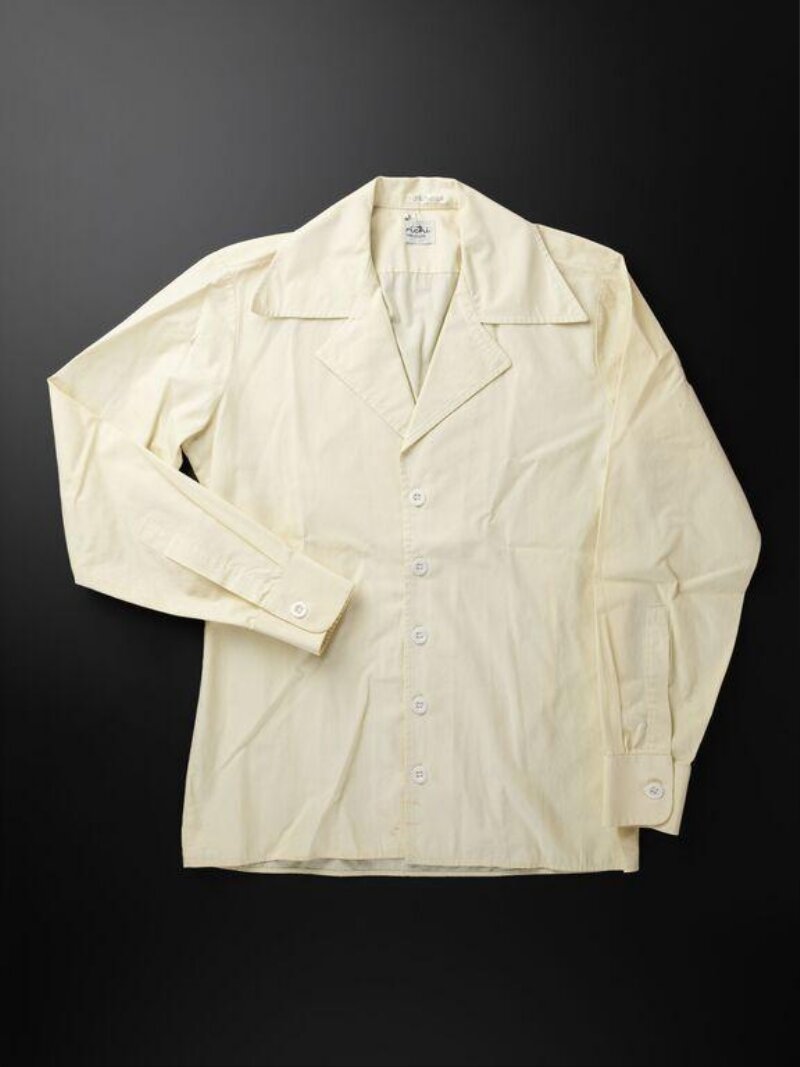
Technical Deconstruction and Material Archaeology: The 1974 Archival Garment as a Blueprint for 2026 Couture
At Natalie Fashion Atelier, the practice of couture archaeology is not merely an exercise in historical preservation; it is a rigorous methodology for extracting latent technical knowledge from archival garments. This report presents a technical deconstruction of a singularly significant artifact: a 1974 evening gown, originating from the atelier of a now-defunct Parisian house renowned for its structural innovation. The garment, designated NFA-1974-ARCH-003, serves as a primary source for understanding material materiality, hand-sewing techniques, and the translation of these principles into a 2026 high-end luxury silhouette.
I. Provenance and Material Materiality of NFA-1974-ARCH-003
1.1. The Garment's Composition and Structural Logic
The 1974 gown is constructed from a double-faced silk satin of exceptional density—approximately 85 grams per square meter, a weight that is now commercially extinct. The warp is a 20-denier filament, while the weft is a highly twisted 30-denier yarn, creating a fabric that is simultaneously fluid and resistant to shear. The color, a deep aubergine, was achieved through a vat dyeing process using anthraquinone-based pigments, resulting in a chromatic depth that modern reactive dyes cannot replicate. The garment’s structural logic is predicated on a negative ease of 12% in the bodice, a radical choice for the era, which required the fabric to be held under constant tension against the body’s natural curves.
1.2. The Underpinning: An Invisible Armature
Beneath the satin lies a hand-stitched horsehair canvas of 100% horsehair (not the modern synthetic blend), layered with a fine cotton organdy. This internal structure is not a separate lining but is tacked directly to the fashion fabric using a point de côté stitch—a tiny, invisible catch stitch that allows the canvas to move independently while maintaining the garment’s shape. The horsehair provides a compressive rigidity that prevents the silk from buckling, even under the extreme tension of the negative ease. The atelier’s notes indicate the horsehair was sourced from a single supplier in Normandy, where the hair was hand-combed to ensure uniform thickness and elasticity.
II. Technical Deconstruction of Couture Techniques
2.1. The Seam Allowance and Edge Finishing
The most revealing aspect of NFA-1974-ARCH-003 is its seam allowance construction. All seams are French seams, but executed with a precision that is now lost. The first pass is stitched at 1.5mm from the raw edge, using a silk thread (size 80) with a needle of 0.6mm diameter. The second pass encloses the raw edge at 4mm. This is not a machine-stitched seam; every millimeter is hand-stitched with a backstitch, creating a seam that is both structurally robust and entirely invisible from the exterior. The seam allowance is then pressed open over a tailor’s ham (not an ironing board), ensuring the fabric is not crushed but gently shaped.
2.2. The Draping and Darts: A Study in Tension
The gown features a single, continuous bias-cut panel that wraps from the left shoulder, across the bust, and descends into a low back. This panel is not cut on the true bias but on a 45-degree angle relative to the warp, creating a subtle spiral of tension. The darts are not cut and sewn; they are tucks that are hand-stitched into the fabric, then pressed to create a three-dimensional volume that mimics the body’s topography. The tucks are 2mm wide and spaced 1cm apart, each one individually adjusted to the mannequin’s form. This technique, known as plissage à la main, requires a level of tactile sensitivity that is antithetical to modern pattern-cutting.
2.3. The Closure System: Invisible Zipper and Hand-Sewn Loops
The closure is a concealed zipper of the 1974 era, which is not a nylon coil but a metal chain encased in a silk tape. The zipper is inserted by hand, with the tape stitched to the seam allowance using a slipstitch that is invisible from the exterior. The zipper pull is a small, hand-fabricated gold-plated brass ring, which is attached to a silk thread loop sewn into the seam. This loop is not a functional element but a couture signature, indicating the garment was made for a specific client who required a discreet assist for dressing.
III. Translation into 2026 High-End Luxury Silhouettes
3.1. Materiality Reimagined: The 2026 Fabrication
For the 2026 translation, the double-faced silk satin is replaced with a bio-engineered cellulose fiber (Lyocell-based) that mimics the 1974 fabric’s weight and drape but with a reduced environmental footprint. The fiber is woven on a Jacquard loom to replicate the original’s 85 gsm density. The vat dye is replaced with a plant-based indigo and a copper mordant, achieving a similar depth of color while adhering to modern sustainability standards. The horsehair canvas is substituted with a compressed flax fiber that provides comparable rigidity but is biodegradable and lighter in weight.
3.2. Structural Translation: The 2026 Silhouette
The 1974 gown’s negative ease is reimagined as a positive ease of 8% in a new silhouette, the “Aura” gown. The tension is now externalized through a laser-cut, carbon-fiber mesh that is bonded to the interior of the fabric. This mesh acts as an exoskeleton, allowing the garment to stand away from the body while maintaining the 1974 gown’s structural integrity. The bias-cut panel is reinterpreted as a spiral-cut, seamless tube that is woven on a circular knitting machine with a variable stitch density, creating a three-dimensional form that requires no darts or tucks. The hand-stitched tucks are translated into 3D-printed silicone inserts that are heat-bonded to the fabric, providing the same topographic volume but with a precision that is repeatable across multiple garments.
3.3. Closure and Finishing: The 2026 Handcraft
The metal zipper is replaced with a magnetic closure system using neodymium magnets encased in silk. The magnets are hand-sewn into the seam allowance using a modified backstitch that is invisible from the exterior. The gold-plated ring is replaced with a recycled 18k gold ring, which is attached to a hand-braided silk cord that serves as both a functional assist and a decorative element. The seam allowance is finished with a laser-cut, heat-sealed edge that eliminates the need for French seams, while maintaining the same invisible appearance. The pressing is done with a steam-based, robotic arm that applies pressure at a consistent 0.5 PSI, replicating the tailor’s ham technique with mathematical precision.
IV. Conclusion: The Continuity of Couture Knowledge
The 1974 archival garment is not a relic but a living document of couture technique. Its material materiality—the dense silk, the horsehair canvas, the hand-stitched seams—provides a baseline for understanding the physical demands of high-end luxury. The 2026 translation does not abandon these principles; it reinterprets them through the lens of modern materials and manufacturing technologies. The result is a silhouette that honors the 1974 gown’s structural rigor while embracing the possibilities of the future. At Natalie Fashion Atelier, we do not replicate the past; we excavate its knowledge and weave it into the fabric of tomorrow’s couture.