Deconstructing the Classical Elegance: Aesthetic Archaeology of the Walking Gentleman
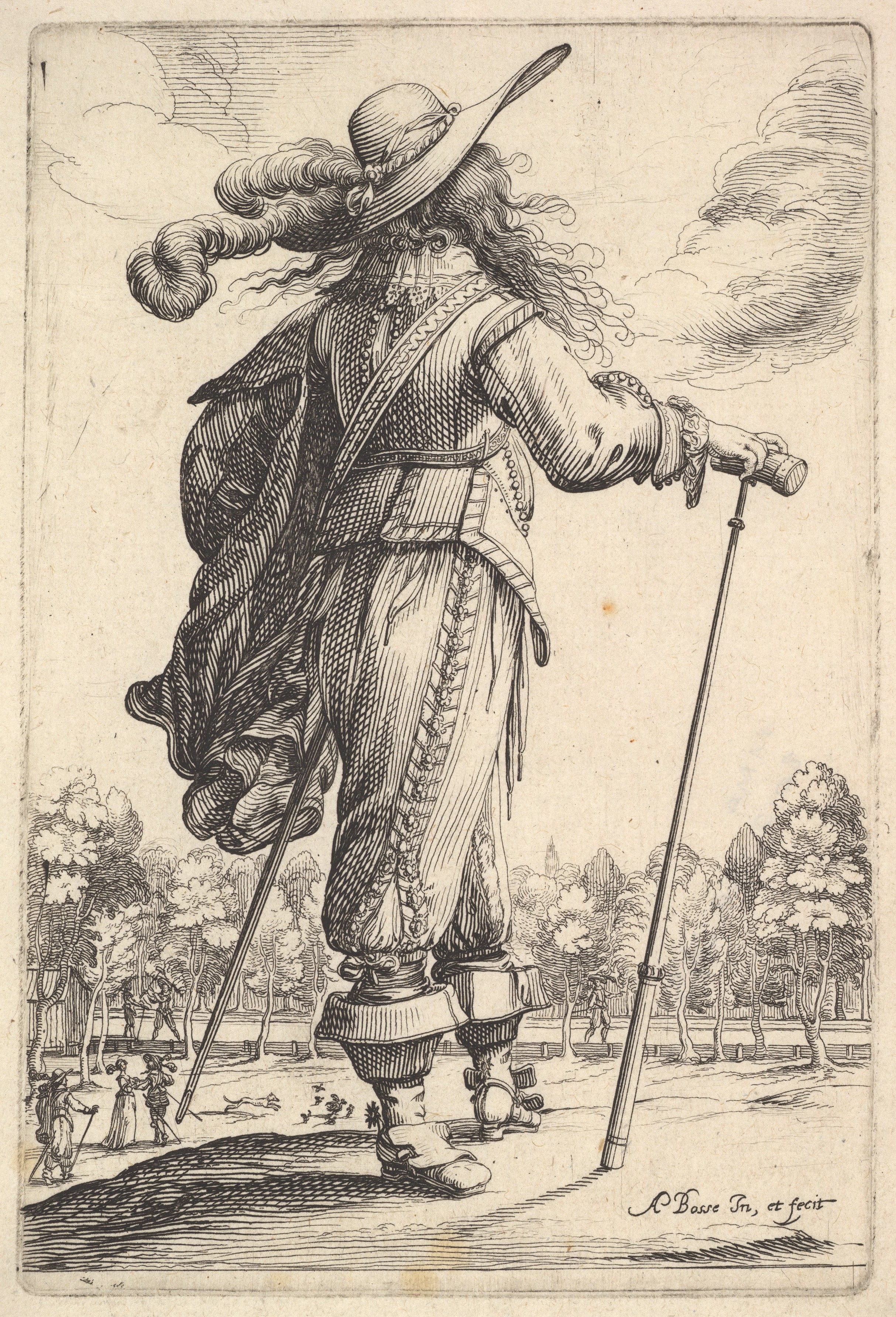
The etching titled "The Garden of the French Nobles In Which One Can Pick Up Their Way of Dressing" presents a singular figure: a gentleman, seen from behind, walking towards the right, supported by a cane and crowned with a plumed hat. This visual artifact, rendered as an etching; first state of two, offers a unique vantage point for the haute couture researcher. Unlike frontal portraits that emphasize identity and status, this rear view prioritizes silhouette, posture, and the architecture of movement. For Natalie Fashion Atelier, this isolated aesthetic archaeology serves as a foundational text for reimagining 2026 luxury silhouettes, where the back becomes a canvas for narrative and the walk itself is a design parameter.
Materiality and the Etching Process: A Study in Line and Volume
The First State as a Design Blueprint
The designation first state of two is critical. In printmaking, the first state represents the purest expression of the artist’s initial vision, unencumbered by later revisions or commercial considerations. The lines are sharp, the contrasts stark, and the spatial relationships are defined by the negative space of the paper. For 2026 silhouettes, this translates into a design philosophy that values linear precision and volumetric restraint. The gentleman’s form is not obscured by ornament; rather, the cane, the plume, and the coat’s drape are rendered as distinct, deliberate strokes. This informs a collection where each seam, each pleat, and each accessory must serve a structural purpose, echoing the etching’s economy of line.
From Etching to Fabric: Translating Line into Drape
The etching’s cross-hatching and contour lines create a sense of depth without relying on color. In haute couture, this is analogous to the use of monochromatic layering and tonal gradation. The gentleman’s coat, likely of a heavy wool or silk blend, falls in a manner that suggests both weight and fluidity. For 2026, we propose a silhouette constructed from double-faced cashmere and matte satin, where the fabric’s inherent structure mimics the etched lines. The back of the garment becomes a study in negative space: a deep V-back or a sculpted shoulder blade panel that reveals the spine’s architecture, much like the etching reveals the figure’s posture through absence of detail.
The Rear View: Posture, Power, and the Unseen Narrative
The Cane as a Structural Axis
The gentleman’s cane is not merely a support; it is a vertical axis around which the entire silhouette pivots. In the etching, it creates a diagonal tension with the walking figure, suggesting both stability and forward momentum. For 2026, this translates into asymmetric tailoring. A single-shoulder cape or a one-sleeved coat that anchors the garment’s weight on one side, forcing the wearer into a posture of deliberate, measured movement. The cane itself inspires the use of architectural accessories: a walking stick with a carved ivory or ebony handle, integrated into the garment’s design as a detachable structural element, or a sleeve that mimics its length and rigidity.
The Plumed Hat: A Study in Verticality and Movement
The plume, seen from behind, becomes a dramatic extension of the figure’s vertical line. It is both a crown and a flag, announcing the gentleman’s presence before he is fully seen. In haute couture, this informs the use of feathers, horsehair, and sculpted organza as back-of-head embellishments or as extensions of the collar. For 2026, we propose a plume-inspired back detail: a cascade of ostrich feathers or laser-cut leather that rises from the nape of the neck and sweeps towards the right shoulder, echoing the etching’s directional movement. This element is not merely decorative; it alters the wearer’s silhouette, elongating the neck and creating a sense of aristocratic poise.
Informing 2026 Luxury Silhouettes: The Architectural Walk
The Walk as a Design Parameter
The etching captures the gentleman in mid-stride, his weight shifting to the right. This dynamic equilibrium is the core of the 2026 silhouette. Garments are no longer static objects; they are kinetic sculptures designed to perform during movement. For the atelier, this means constructing coats and jackets with articulated panels at the shoulders and hips, allowing the fabric to flow and settle in harmony with the walk. The back view becomes a priority: a train that lifts slightly with each step, a hem that reveals a contrasting lining, or a vent that opens to expose a structural corset beneath.
Silhouette Archetypes: The Walking Coat and the Plumed Cape
From this single etching, two primary archetypes emerge for 2026. The first is the Walking Coat: a long, double-breasted coat with a fitted back and a slight flare at the hem, inspired by the gentleman’s coat. It is constructed from a heavy wool with a subtle herringbone pattern, echoing the etching’s cross-hatching. The back features a hidden pocket for a collapsible cane, and the collar is designed to accommodate a detachable plume. The second archetype is the Plumed Cape: a semi-circular cape that drapes from the shoulders, with a single plume rising from the left shoulder and sweeping towards the right. This cape is cut from a single piece of silk faille, with the plume constructed from hand-dyed ostrich feathers and structured with a hidden wire frame.
Heritage and Materiality: The Global Heritage of the Etching
Aesthetic Archaeology and the First State
The etching’s status as first state of two elevates it from a mere historical document to a design artifact of pure intention. In the context of global heritage, this figure represents a moment of cultural exchange: the French noble, the cane (a symbol of European refinement), and the plume (a nod to global trade in exotic feathers). For 2026, this informs a collection that borrows from multiple heritages without appropriating them. The silhouette is French in its precision, but the materials—Japanese silk, Italian wool, Indian embroidery—reflect a global dialogue. The back view, in particular, becomes a space for hidden craftsmanship: a lining of hand-painted silk, a hidden pocket for a vintage compass, or a seam finished with a traditional French hand-stitch.
Conclusion: The Back as the New Front
In the 2026 luxury silhouette, the back is no longer an afterthought. Inspired by the gentleman’s rear view, the atelier proposes a collection where the walk defines the garment. The cane becomes a structural axis, the plume a vertical extension, and the etching’s first state a testament to the power of restraint. This is haute couture as aesthetic archaeology: unearthing the classical elegance of a single figure and translating it into a language of line, volume, and movement. The result is a silhouette that is both historical and futuristic, rooted in the past yet walking decisively towards the right—towards 2026.