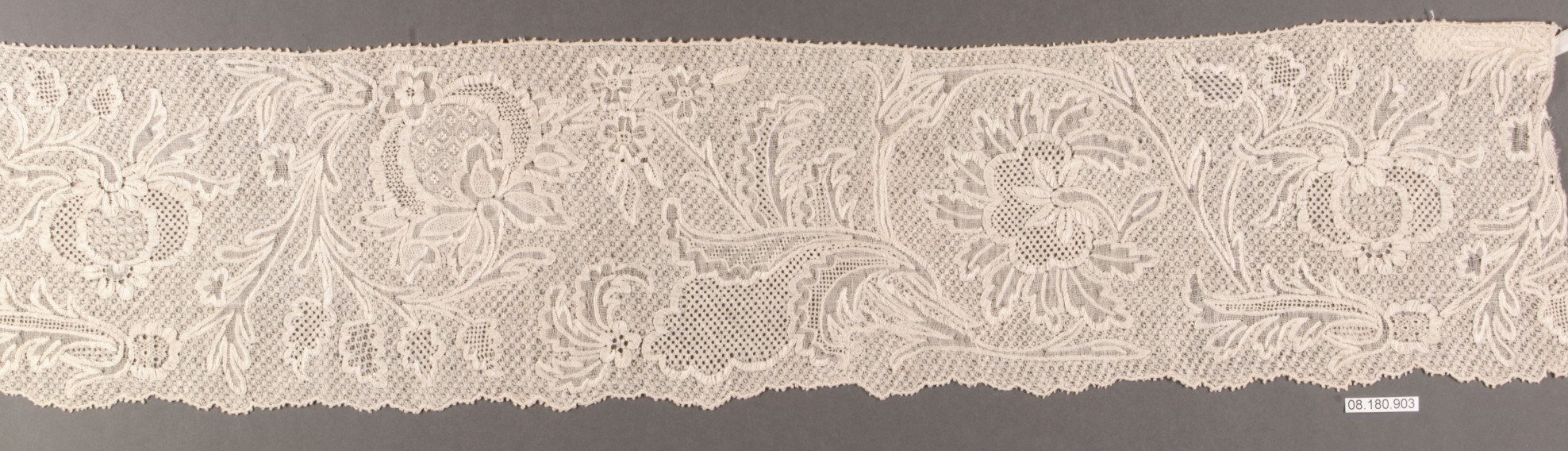
The Border as Threshold: Drawnwork and the Archaeology of the Edge
The border, in the lexicon of Haute Couture, is never a mere termination. It is a threshold—a liminal space where the garment meets the void, where structure dissolves into air. Within the archive of global heritage, the border has been a site of profound technical and symbolic negotiation. For Natalie Fashion Atelier, the 2026 collection re-examines this edge through the lens of drawnwork, an ancient textile technique that systematically removes warp and weft threads to create open, lace-like patterns. This paper deconstructs the classical elegance of drawnwork borders, isolating their aesthetic archaeology to inform the high-end silhouettes of the coming season.
The Aesthetic Archaeology of Drawnwork
Drawnwork, or punto tirato, is a subtractive art. Unlike embroidery, which adds material, drawnwork achieves its effect through calculated removal. The artisan extracts specific threads from the fabric’s grid, leaving a skeletal structure that is then reinforced with needlework. This process creates a border that is not a solid line but a permeable membrane—a transition zone between the garment’s body and the surrounding space. Historically, this technique appears across cultures: from the Hedebo embroidery of Denmark to the Kashida of South Asia, and the Reticella of Renaissance Italy. Each iteration shares a common principle: the border becomes a field of tension between density and transparency, weight and lightness.
In the context of global heritage, drawnwork borders often served as markers of status and ritual. The openwork allowed glimpses of the wearer’s skin or undergarments, creating a coded language of modesty and revelation. For the 2026 silhouette, this historical tension is recontextualized. The border is no longer a static edge but a dynamic interface—a point where the garment negotiates its relationship with the body and the environment. This is not decoration; it is structural philosophy.
Deconstructing Classical Elegance: From Edge to Atmosphere
Classical elegance, as codified by the great Parisian maisons, relies on the unbroken line—the seamless flow from shoulder to hem. The border, traditionally, is a conclusion. Drawnwork inverts this. By dissolving the edge into a pattern of voids, the border becomes an introduction to the space beyond. The silhouette no longer ends; it evaporates. For 2026, this informs a shift from the rigid, sculptural forms of recent seasons toward a new softness—a silhouette that breathes and diffuses.
Consider the shoulder line. In classical tailoring, the shoulder is a fortress. Drawnwork, applied at the cap of the sleeve or along the collarbone, transforms this fortress into a lattice. The structure remains—the shoulder pad, the seam—but the drawnwork border allows light to pass through, creating a halo effect. The silhouette retains its architectural integrity while gaining an ethereal quality. This is the paradox of drawnwork: it weakens the fabric to strengthen the design.
Similarly, the hemline is reimagined. Instead of a clean cut, the dress terminates in a fringe of drawnwork—a grid of threads that continue the garment’s logic into the air. The silhouette becomes a gradient of opacity, from solid bodice to translucent mid-section to near-invisible edge. This gradient is not random; it is calculated using the thread count and extraction ratio. A higher density of removed threads creates a more open border, suitable for evening wear. A lower ratio maintains structure for daywear. The border, therefore, is not a fixed line but a variable parameter, adjustable to the silhouette’s desired volume and movement.
Materiality and the 2026 Silhouette
The materiality of drawnwork demands a specific fabric architecture. For 2026, Natalie Fashion Atelier employs silk organza and crisp cotton voile—fabrics with a high thread count and a stable weave. These allow for precise thread extraction without compromising the garment’s integrity. The drawnwork border is executed by hand, with each thread removed and secured using a buttonhole stitch or overcast stitch, depending on the desired pattern. The result is a border that is both fragile and resilient—a paradox that defines luxury.
This technique informs the silhouette in three key areas:
- Necklines: A high collar with a drawnwork border becomes a choker of light. The neckline is extended, not by fabric, but by the negative space created by the openwork. The silhouette elongates the neck, drawing the eye upward.
- Waistlines: A drawnwork belt or waistband creates a visual break without bulk. The waist is defined by the contrast between solid fabric and openwork, allowing the silhouette to flare naturally into the skirt.
- Sleeves: Bishop sleeves with drawnwork cuffs terminate in a cascade of threads. The sleeve’s volume is contained by the border, which acts as a soft restraint, allowing the fabric to billow before dissolving.
The 2026 silhouette is, therefore, a study in controlled dissolution. The border is not an afterthought; it is the primary driver of the garment’s form. By isolating the aesthetic archaeology of drawnwork, the Atelier recovers a forgotten principle: that the edge is where the garment becomes most alive.
Conclusion: The Border as a New Beginning
In the hands of Natalie Fashion Atelier, the drawnwork border transcends its historical role as a decorative finish. It becomes a generative force, shaping the silhouette from the outside in. The 2026 collection proposes a new elegance—one that is not about perfection of line but about the poetry of absence. The border, once a conclusion, is now a threshold to infinite possibility. This is the archaeology of the edge, reimagined for the future of Haute Couture.