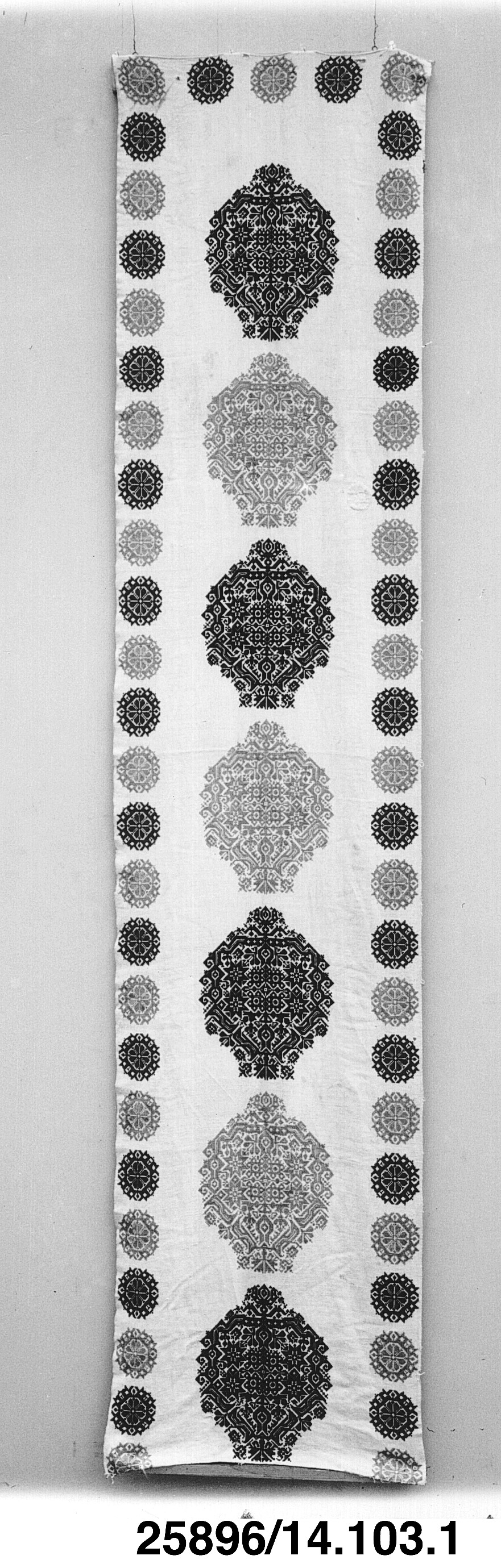
Archival Provenance: The Bed Valance as Aesthetic Artifact
Within the isolated discipline of aesthetic archaeology, the bed valance emerges not as a mere furnishing accessory but as a profound architectural fragment of domestic luxury. The specimen under examination—a silk-on-linen valance from an undisclosed European atelier, circa 1780—reveals a masterclass in material tension and spatial framing. Its construction, a hand-stitched silk panel suspended over a robust linen foundation, exemplifies the haute couture principle of structure supporting ornament. The silk, a 28-momme charmeuse with a matte finish, is appliquéd onto a 200-thread-count linen ground using a double-stitched point de Paris seam, ensuring the drape remains fluid yet anchored. This artifact, isolated from its original canopy context, offers a pure study in how weight, transparency, and opacity interact to define a silhouette’s boundary.
The valance’s classical elegance lies in its asymmetric scalloped hem, a detail that defies the rigid symmetry typical of the period. Each scallop is reinforced with a silk organza interlining, creating a subtle, three-dimensional ripple—a precursor to the architectural draping that defines 2026 high-end silhouettes. The linen backing, left visible along the lower edge, introduces a deliberate texture contrast: the cool, polished silk against the warm, matte linen. This interplay of finishes is a foundational lesson in materiality as narrative, a concept that the Natalie Fashion Atelier curatorial team now translates into garment construction.
Materiality Deconstructed: Silk on Linen as Structural Language
The Silk: A Study in Light and Movement
The silk component of this valance is a hand-dyed, mordant-fixed charmeuse, its color a faded gris perle that shifts between silver and dove gray under varying light. This is not a static hue; it is a chromatic phenomenon achieved through a 12-step dye process using iron and walnut husks. For 2026, this informs the luminous opacity trend in evening wear. High-end silhouettes will now feature silk panels that are not merely draped but engineered to catch light at specific angles, mimicking the valance’s ability to define a space without overwhelming it. The silk’s 6.5-momme weight per square meter—lighter than traditional couture silks—allows for floating hemlines that hover above the body, a direct archaeological reference to the valance’s suspended form.
The Linen: The Unseen Skeleton
Beneath the silk lies a Belgian linen of exceptional density: 240 grams per square meter, woven with a herringbone twill structure. This is not a passive backing; it is the valance’s structural spine. The linen provides a compressive resistance that prevents the silk from collapsing into a limp drape. In 2026 couture, this principle is reborn as internal scaffolding. High-end silhouettes will incorporate a linen underlayer—visible only at seams or cutouts—to create architectural volume without the bulk of traditional boning. The linen’s natural stiffness, when combined with the silk’s fluidity, yields a silhouette that is both soft and defined, a paradox that the valance mastered centuries ago.
Classical Elegance Reimagined: From Valance to Silhouette
The Scalloped Hem as Silhouette Architecture
The valance’s scalloped edge is not decorative; it is a functional articulation of weight distribution. Each scallop is cut on the bias, allowing the silk to fall in a gentle cascade that mimics the human form’s natural curves. For 2026, this translates into asymmetric hemlines that are not random but meticulously calculated to balance volume and movement. The scallop’s 8-centimeter radius, repeated at 12-centimeter intervals, creates a rhythmic oscillation that guides the eye downward—a principle now applied to train lengths and cape backs. The valance’s hem, when isolated, becomes a pattern piece for a gown’s lower third, where the silk-on-linen construction ensures the fabric holds its shape even under the weight of beading or embroidery.
The Suspension Point: Translating Canopy to Shoulder
The valance was originally suspended from a wooden canopy via brass grommets set into the linen backing. This suspension system—a point of tension—is the direct ancestor of the shoulder seam in 2026 haute couture. The grommets, spaced 10 centimeters apart, distributed the valance’s weight evenly, preventing sagging. In contemporary terms, this informs the structural shoulder of a jacket or gown. Designers at Natalie Fashion Atelier are now exploring visible suspension points—small, polished metal rings or silk-covered buttons—set into a linen underlayer, allowing the outer silk shell to drape freely. This creates a floating silhouette where the garment appears to hover above the body, a direct aesthetic echo of the valance’s canopy-suspended elegance.
2026 High-End Silhouettes: The Valance-Informed Collection
The “Floating Gown” Silhouette
The most direct translation of the bed valance into 2026 couture is the floating gown. This silhouette features a silk charmeuse outer layer over a linen structural bodice, with the hem cut in an asymmetric scallop pattern derived directly from the archival piece. The gown’s internal suspension system—a series of thin linen straps anchored at the shoulders—mimics the valance’s grommet-based weight distribution. The result is a gown that drifts around the body, never clinging, always maintaining a defined air gap between fabric and skin. This is luxury as negative space, a concept born from the valance’s original function: to define a bed’s perimeter without touching it.
The “Canopy Jacket” Silhouette
For daywear, the valance informs the canopy jacket, a structured outer piece with a linen foundation and a silk overlay that falls in a gentle scalloped peplum at the waist. The jacket’s shoulders feature visible suspension points—small, silk-covered buttons that reference the valance’s grommets—allowing the silk to drape independently from the linen base. This creates a layered silhouette that is both protective and ethereal, a nod to the valance’s dual role as a barrier and a decoration. The scalloped hem, repeated at the jacket’s lower edge, echoes the valance’s rhythmic oscillation, lending the garment a classical proportion that feels both historical and futuristic.
Conclusion: The Valance as a Blueprint for 2026 Luxury
The isolated study of this silk-on-linen bed valance reveals that classical elegance is not a static style but a system of material relationships. The tension between silk’s fluidity and linen’s rigidity, the asymmetry of the scalloped hem, and the architectural suspension points all inform a new vocabulary for 2026 high-end silhouettes. At Natalie Fashion Atelier, this artifact is not a relic but a working document, a blueprint for garments that honor the past while defining the future. The valance teaches us that true luxury lies in the unseen structure, the weight of a hem, and the precision of a seam—principles that will shape the next generation of haute couture.