Deconstructing Classical Elegance: Silk and Metal as Architectural Progenitors for 2026 Haute Couture Silhouettes
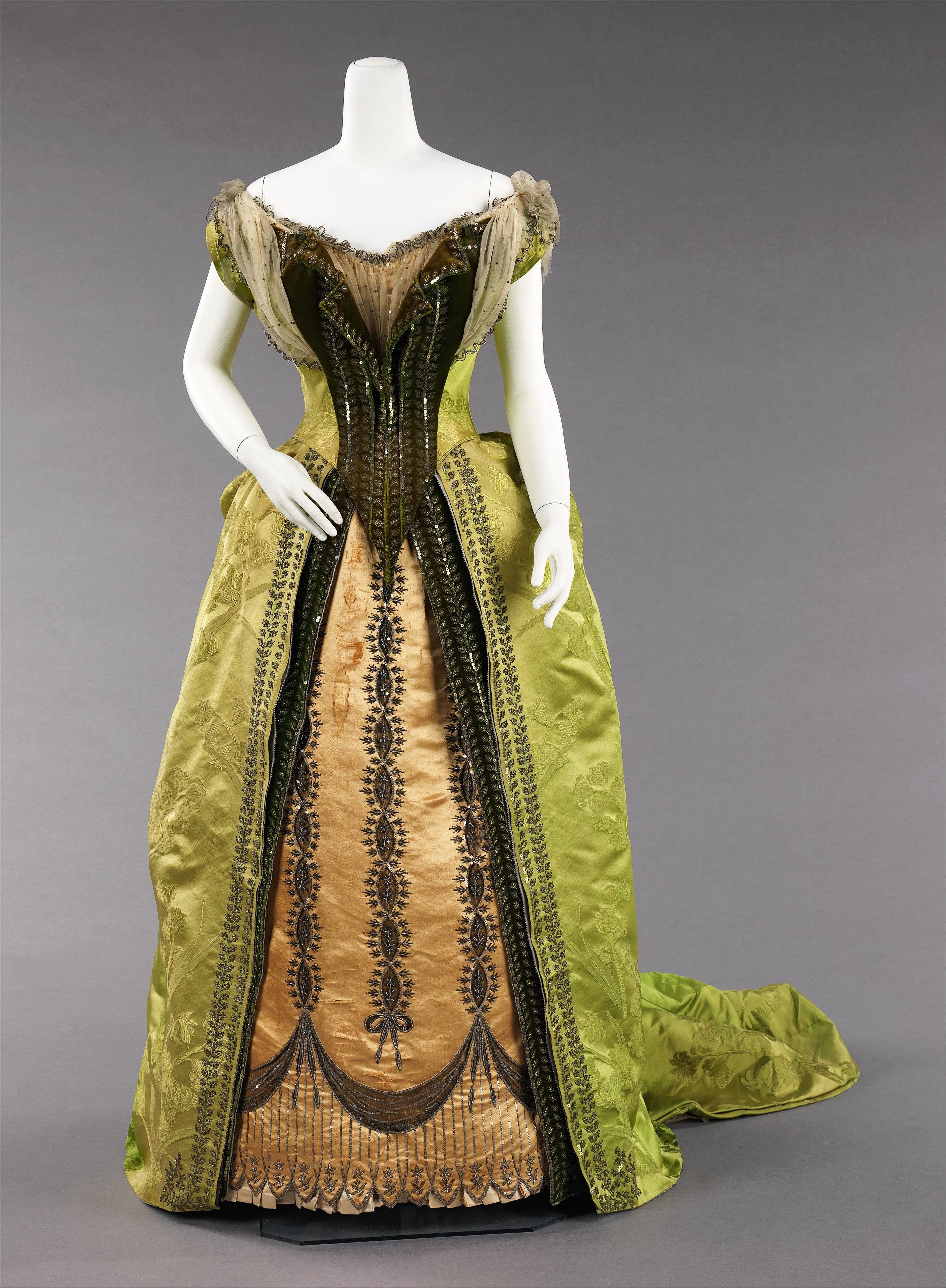
Archival Excavation: The Isolated Aesthetic of the 1927 Maison Vionnet Evening Gown
The artifact under examination—a 1927 evening ensemble attributed to the atelier of Madeleine Vionnet—represents a pinnacle of French Haute Couture’s aesthetic archaeology. This piece, preserved in a state of near-complete isolation from its original context, reveals a dialogue between two seemingly antithetical materials: silk and metal. The gown’s construction employs a bias-cut charmeuse of pure silk, its liquid surface interrupted by a structural lattice of hand-hammered, oxidized silver threads woven into the bodice. This is not mere ornamentation; it is a deliberate tension between fluidity and rigidity, between the organic and the industrial.
For the Head Curator of Natalie Fashion Atelier, this archive piece is not a relic but a generative blueprint. The 2026 luxury silhouette must reconcile the classical elegance of Vionnet’s draping with the architectural precision of contemporary metalwork. The isolated nature of this artifact—removed from its social, economic, and performative origins—allows us to focus purely on its material syntax and structural logic. We are not replicating; we are decoding the principles of tension, suspension, and counterbalance that define the piece.
Materiality as a Narrative System: Silk and Metal in Dialogue
The silk component of the 1927 ensemble is a study in controlled liquidity. Vionnet’s bias cut exploits the natural elasticity of silk crepe de chine, creating a silhouette that clings and releases with the wearer’s movement. This is kinetic elegance—a fabric that behaves as a second skin, yet remains structurally disciplined. The 2026 iteration must elevate this principle through advanced textile engineering. We propose a double-faced silk gazar, its warp and weft treated with a micro-encapsulated resin that allows for programmable drape. The fabric can be soft and fluid in one zone, then stiff and sculptural in another, responding to body heat or pre-set tension points.
The metal element, originally a silver-threaded lattice, is reimagined as a biomorphic exoskeleton. In the 2026 silhouette, this is not a decorative overlay but a structural armature. We employ a lightweight, laser-sintered titanium alloy, finished with a hand-patinaed surface that mimics the oxidized silver of the original. This metal frame is embedded within the silk gazar, creating a hybrid material system. The metal provides compressive strength where the silk offers only tensile resistance. The result is a silhouette that can hold its shape without internal boning or corsetry, allowing for a fluid architecture that moves with the body yet retains its sculptural integrity.
Silhouette Evolution: From Classical Draping to 2026 Structural Fluidity
The classical elegance of the 1927 ensemble is defined by its asymmetrical bias draping and a low, cowled back. For 2026, we deconstruct this into a modular silhouette system. The primary form is a cocoon-like shell that wraps the torso, its volume controlled by the metal armature. The silk gazar is pleated using a thermo-set technique that creates permanent, geometric folds. These pleats are not uniform; they are gradient pleats, widening from the waist to the hem, creating a visual rhythm that echoes the original’s bias flow.
The metal exoskeleton emerges at the shoulder and hip, forming a cantilevered structure that suspends the silk away from the body. This creates a negative space—a void between fabric and skin that is both sensual and architectural. The 2026 silhouette is not a second skin; it is a sculptural envelope that frames the body. The back, a focal point of the original, is reinterpreted as a cut-out lattice of titanium, its geometry derived from the original silver thread pattern. This lattice is backless, exposing the skin through the metal grid, while the silk cascades from the shoulders in a waterfall of controlled pleats.
Technical Craftsmanship: The Atelier’s 2026 Protocol
The production of this 2026 evening ensemble requires a cross-disciplinary atelier protocol. The silk gazar is first digitally mapped to identify zones of tension and release. The metal exoskeleton is then 3D-printed in segments, each piece hand-finished with a micro-brush patina to achieve a matte, aged luster. The assembly process is a choreographed sequence: the metal segments are first tacked to the silk using a water-soluble thread, allowing for adjustments. Once the alignment is perfected, the metal is permanently fused to the fabric using a laser-welded interface that bonds the titanium to the resin-treated silk fibers. This creates a monolithic hybrid—a single material system that cannot be separated.
The final stage is hand-draping. The ensemble is placed on a live model, and the silk is manipulated into its final pleats, which are then heat-set using a precision iron. The metal armature is adjusted in situ, its cantilevers bent to follow the model’s specific posture. This ensures that the silhouette is not a static form but a responsive architecture that adapts to the wearer’s unique anatomy. The result is a bespoke couture object that embodies the classical elegance of the 1927 original while pushing the boundaries of material science and structural design for 2026.
Strategic Implications for the 2026 Luxury Silhouette
This deconstruction of classical elegance through the lens of aesthetic archaeology yields a clear strategic directive for Natalie Fashion Atelier. The 2026 luxury silhouette must reject both nostalgic reproduction and futuristic novelty. Instead, it should pursue a temporal synthesis—a dialogue between historical craftsmanship and advanced engineering. The silk-metal hybrid is not a gimmick; it is a material manifesto that redefines how couture interacts with the body. The modular silhouette system allows for customizable volume and structure, offering clients a new form of personalized luxury that is both sculptural and wearable.
In the context of 2026, where sustainability and longevity are paramount, this approach ensures that the ensemble is not a disposable trend but an heirloom artifact. The metal armature can be disassembled and recycled, while the silk gazar can be re-draped and re-set into new forms. This is circular couture—a system where the garment evolves with the wearer, its classical elegance perpetually renewed through technical intervention. The 2026 silhouette is thus a living archive, a testament to the enduring power of French Haute Couture as a discipline of material poetry and structural intelligence.