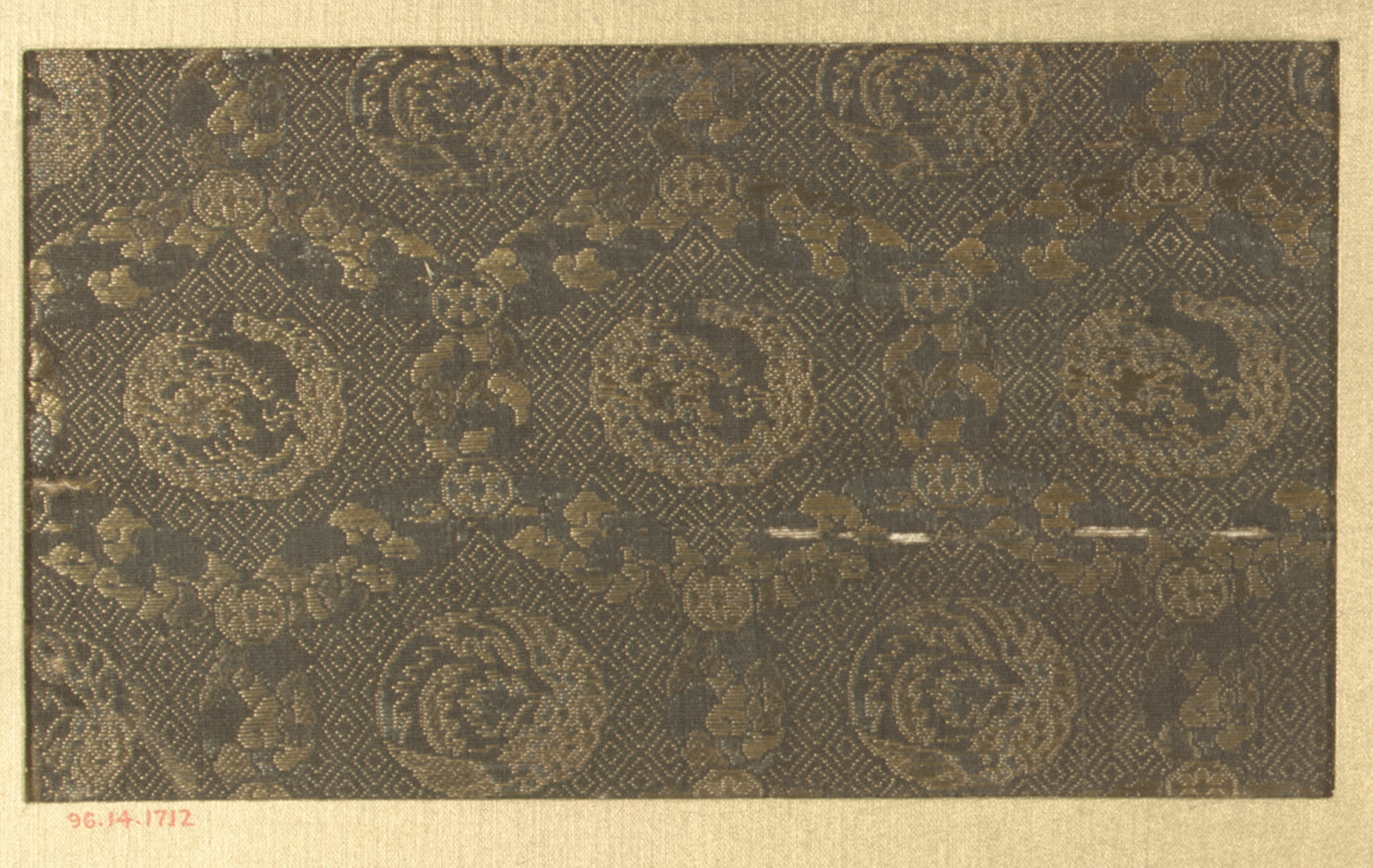
Silent Architecture: The Isolated Aesthetic Archaeology of Japanese Silk
Within the hallowed archives of Natalie Fashion Atelier, the concept of isolated aesthetic archaeology represents a deliberate curatorial methodology. It is the practice of examining a singular heritage artifact—removed from the linear narratives of fashion history—to uncover pure, unadulterated principles of form, structure, and material intelligence. Our subject, a Japanese silk kosode from the late Edo period, serves as such an artifact. This is not a study of cultural appropriation, but of technical revelation. Isolated from its temporal context, the kosode reveals a universe of silent architectural rules: a philosophy of elegance built on rectilinear geometry, kinetic space, and the profound dialogue between fiber and form. This research paper posits that the deconstruction of this classical elegance provides the foundational algorithms for the 2026 luxury silhouette, moving beyond superficial motif into the realm of structural re-engineering.
Deconstructing Classical Elegance: The Kosode as a Paradigm of Rectilinear Logic
The classical elegance of the kosode (literally "small sleeves") is an elegance of radical simplicity and profound calculation. Its construction defies Western-centric notions of tailoring. The garment is composed almost entirely of straight lines and right angles, cut from single bolts of silk (tanmono) with near-zero waste. The body is a simple T-shape; the sleeves are rectangular appendages. The genius lies in its application to the three-dimensional human form. Elegance is not achieved through constriction or precise contouring, but through the strategic management of negative space. The silk falls from the shoulders, creating a fluid column that acknowledges the body without enslaving itself to it. This creates a silhouette that is at once modest and profoundly sensual, defined by the ripple of fabric and the glimpse of the body within the constructed space. The obi, then, acts not merely as a belt but as a structural focal point, anchoring the volumes and creating a dynamic, asymmetrical balance. This is elegance as architecture: static in its components, kinetic in its wear.
Material Intelligence: Silk as the Active Agent of Form
The materiality of Japanese silk—nerinuki, tsuzure-ori, rinzu—is not a passive substrate but the active agent of form. Each weaving technique imparts a specific structural personality to the cloth. Nerinuki, a crisp, non-drapery silk, holds the rectilinear cuts with authoritative clarity, creating sharp, clean lines. Tsuzure-ori (tapestry weave) possesses a dense, painterly body that allows for graphic, integrated patterns that become part of the fabric's architecture. Rinzu (damask) offers a subtle, luminous play of texture through light reflection, adding depth to ostensibly flat surfaces. This intrinsic material intelligence dictates the silhouette's behavior. The silk's weight, its coefficient of friction, its acoustic properties, and its interaction with humidity and movement are all calculated variables. In isolation, we study this not as decoration, but as biomimetic engineering: the silk is a second skin that responds to environment and motion, a lesson in creating garments that are systems rather than shells.
Informing the 2026 Silhouette: From Archaeology to Algorithm
The translation of this isolated archaeology into the 2026 luxury lexicon requires a process of conceptual distillation and technical transposition. The 2026 consumer, a hybrid of physical and digital existence, demands silhouettes that are simultaneously anchored in profound craftsmanship and liberated from historical literalism. The kosode provides the blueprint.
The Rectilinear Volume and the Kinetic Core
The 2026 silhouette will embrace the elevated volume, moving away from the body-con obsession of previous decades. Inspired by the kosode's T-shape, jackets and coats will be constructed from fewer, larger panels, creating clean, architectural lines that originate from a reimagined shoulder. Sleeves will be treated as distinct rectangular volumes, attached with a focus on their kinetic potential—how they carve space as the wearer moves. The core tenet is the kinetic core: the silhouette is designed from the inside out, with the body's movement creating the final, dynamic form. This necessitates revolutionary internal engineering—minimal, strategic internal taping and weighting (inspired by the obi's anchoring function) to guide, not restrict, the fall of fabric. The result is a silhouette of authoritative ease, where power is expressed through implied space rather than constriction.
Programmed Materiality and Bio-Sensitive Silk Hybrids
Materiality in 2026 becomes programmatic. Learning from the specific intelligence of historical silks, Natalie Fashion Atelier's ateliers will develop hybrid textiles. Imagine a nerinuki silk fused with a microscopic bio-polymer lattice, granting it a memory for shape while retaining its crisp hand. Envision a rinzu-inspired jacquard woven with conductive yarns, allowing its pattern to shift luminescence in response to biometric data. The silk itself becomes an interface. Furthermore, the zero-waste imperative of the tanmono cut is elevated through AI-assisted pattern engineering, ensuring that the rectilinear logic of the silhouette is matched by sustainable material optimization. The fabric is no longer merely worn; it performs.
Asymmetrical Anchoring and Modular Dressing
The obi's principle of asymmetrical anchoring translates into the focal point closure system. Fastenings in 2026 will migrate from center-front symmetry to unexpected loci—diagonal axes from hip to shoulder, singular off-center knots, or magnetic closures along a single seam. This creates a silhouette that is inherently dynamic and personally configurable. Extending this, the kosode's simple, geometric components inspire a system of modular luxury. A single rectangular silk panel, through a series of strategic ties and folds (informed by furoshiki principles), can transform into a skirt, a bodice, or a sleeve. This caters to the digital-native desire for customizable, transformable assets, embedding the timeless elegance of isolated archaeology into a thoroughly contemporary ethos of versatile, conscious consumption.
In conclusion, the isolated aesthetic archaeology of the Japanese silk kosode provides not a pastiche of motifs, but a fundamental operating system for future elegance. By deconstructing its rectilinear logic, its material intelligence, and its philosophy of kinetic space, Natalie Fashion Atelier extracts the codes for the 2026 luxury silhouette: architectural volume, programmed materiality, and asymmetrical, modular dressing. This is the essence of Parisian haute couture—to absorb the deepest lessons of global craftsmanship and, through rigorous technical alchemy, render them into the silent, powerful language of tomorrow's form.