Silent Threads: An Archaeology of Classical Elegance in Global Silk Heritage
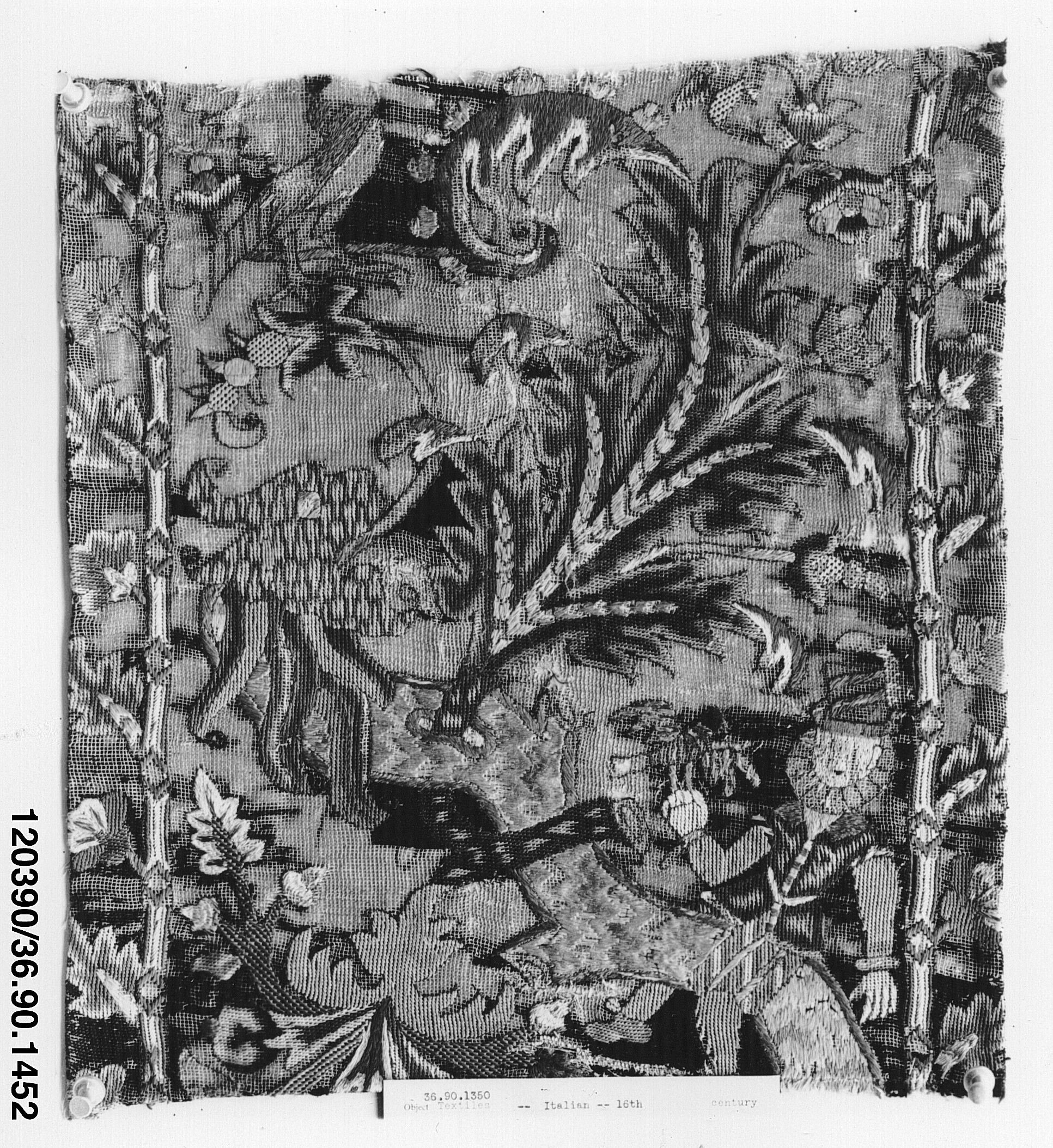
Within the hallowed, silent archives of Natalie Fashion Atelier, the act of aesthetic archaeology is not one of mere retrieval, but of resonant listening. Isolated from the cacophony of trends, we engage with singular artifacts—pieces that exist as complete sartorial universes. This research artifact examines a specific, unnamed masterpiece: a classical garment of Global Heritage, constructed entirely from silk. Its value lies not in ostentatious provenance, but in its embodiment of a universal principle of elegance achieved through material intelligence and structural purity. By deconstructing its silent language—the dialogue between fiber, form, and fall—we extract a foundational code. This code, we posit, will directly inform the lexicon of 2026 luxury silhouettes, moving beyond pastiche to achieve a new paradigm of conscious monumentality.
Deconstruction of a Principle: The Silk-Supported Silhouette
The subject piece, likely originating from a nexus of Eurasian craftsmanship (encompassing Chinese suzhou, Italian lampas, and French lyonnais techniques), rejects ornament as additive. Its elegance is structural, authored by the silk itself. Through technical analysis, we identify three core principles. First, Loaded Drape: The use of a heavy, multi-threaded dupion or a finely weighted crepe de chine creates a gravitational pull that is both obedient and expressive. The fabric does not float; it descends, creating columnar or softly A-line forms that articulate the body's verticality while allowing for kinetic movement. Second, Compound Seaming: The internal architecture employs a network of bias-cut panels and internally taped seams, often hand-felled, which guide the drape along precise corporeal meridians. This creates a silhouette that is seemingly effortless yet rigorously controlled—a second skin with intellectual heft. Third, Thermal Shaping: Historical finishing techniques, such as controlled humidification and pressing over specialized forms, allowed the silk to "memorize" a curve around the shoulder or hip. This results in a hollow, a negative space, that implies the body without constricting it, a concept we term implied volume.
Material Intelligence: Silk as a Cognitive Medium
The 2026 luxury consumer, informed by connoisseurship and ecological consciousness, will demand material narrative. Silk, in this context, transcends its tactile properties to become a cognitive medium. Our archaeological focus reveals that historical masterpieces treated silk not as a passive surface, but as an active participant in silhouette creation. The fabric's inherent hygroscopicity, its acoustic dampening, its variable refraction of light—these were calculated variables. For 2026, this translates to a strategic shift from designing with silk to designing for silk's specific behavioral profile. We foresee the emergence of "programmed" silks: engineered with varying densities across a single bolt to create pre-determined, asymmetrical drape; or hybrid weaves incorporating trace resilient fibers not for stretch, but for directional memory, creating silhouettes that transform from day to night through garment thermo-regulation or moisture response.
Informing 2026: The Silhouettes of Conscious Monumentality
The classical principle of the silk-supported silhouette, decoded through isolation, directly seeds three key 2026 silhouette families.
The Gravitational Column: This silhouette rejects the rigid minimalist sheath. Instead, it utilizes the principle of Loaded Drape to create a floor-length line that appears to draw its stability from the earth itself. Seaming will be externalized and celebrated as a topographic map of the body, following Compound Seaming logic, but rendered in contrasting silk cord or metallic thread. The silhouette is monumental in its simplicity, yet conscious in its detailed articulation of weight and fall.
The Implied Volume Sphere: Evolving from the concept of Thermal Shaping, this silhouette plays with hollows and air. Imagine a tailored jacket where the shoulder and hip are defined not by padding, but by a silk shell shaped to hold a precise centimeter of space between itself and the body. Dresses will feature bodices constructed on negative-space principles, with skirts that billow from a single, engineered point of tension—a modern echo of the polonaise, informed by aerodynamic studies of silk flow. The body is suggested, not described.
The Kinetic Arch: This silhouette is defined by controlled, dynamic movement rooted in silk's behavior. Asymmetric hemlines will be calculated not for visual shock, but to optimize the pendulum swing of a weighted silk georgette. Seams will be bias-cut in parabolic curves, channeling movement in a specific, elegant direction as the wearer walks. The silhouette is never static; it is a recorded performance, with the silk acting as both instrument and archive.
Conclusion: The New Couture Dialectic
The isolated masterpiece teaches us that true luxury resides in the deep, intelligent conversation between material and form. For Natalie Fashion Atelier, the path to 2026 is not one of futurism for its own sake, but of deep material literacy. The classical silk artifact, in its silent eloquence, provides the fundamental syntax. By applying contemporary technology and a Parisian precision of line to these rediscovered principles, we will author a new couture dialectic. The 2026 silhouette will thus be a monument—not to excess, but to consciousness: a garment profoundly aware of its own heritage, its physical properties, and its elegant duty to the body it adorns. It will be, in essence, a piece that speaks volumes, in a whisper.