The Embroidered Spot Sampler: Aesthetic Archaeology and the Genesis of 2026 Haute Couture Silhouettes
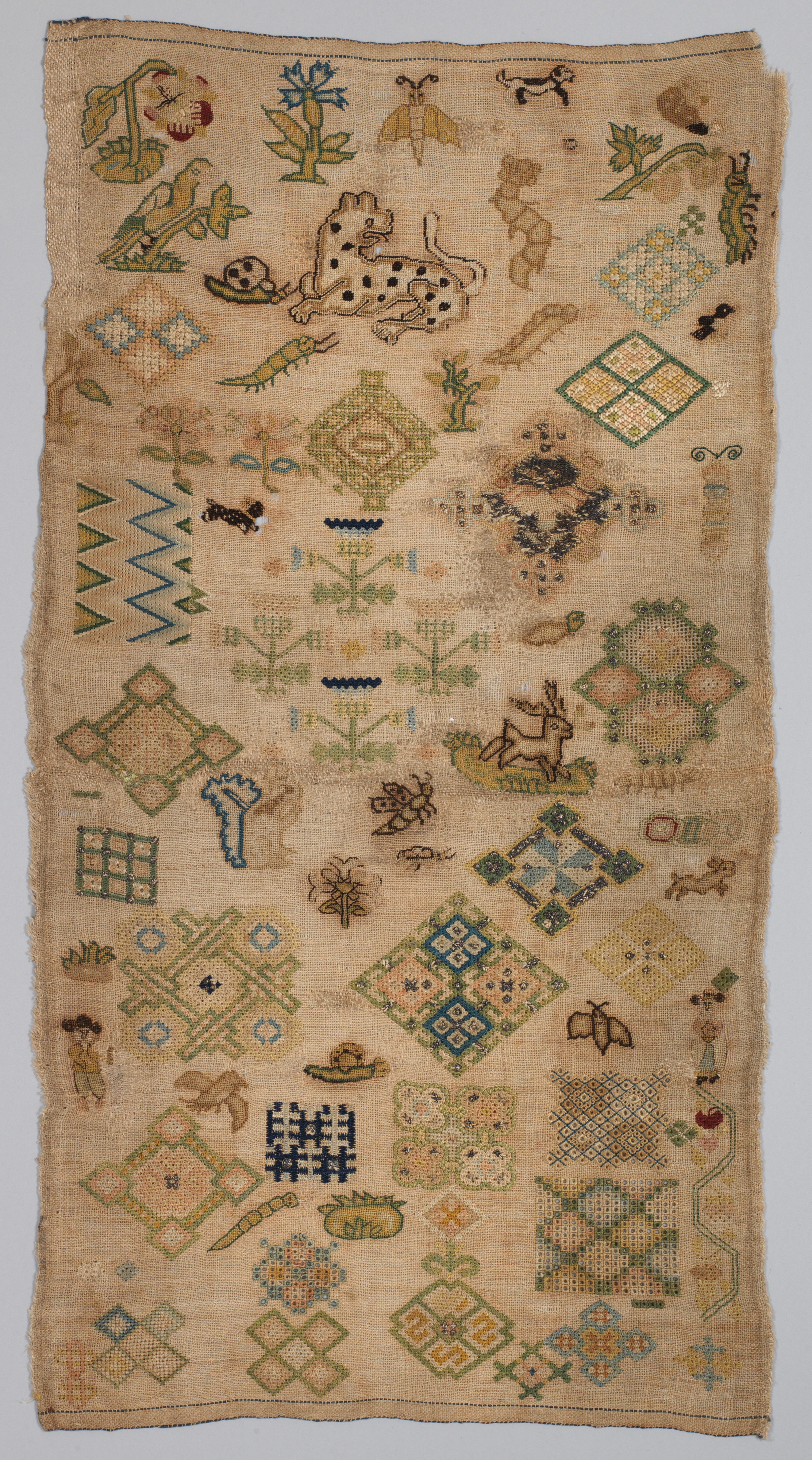
Within the hallowed archives of Natalie Fashion Atelier, the embroidered spot sampler emerges not as a mere pedagogical tool of a bygone era, but as a profound artifact of aesthetic archaeology. This isolated specimen—a testament to the interplay of silk and metal thread on linen—encapsulates a microcosm of global heritage, a silent narrative of technique, material hierarchy, and spatial discipline. For the 2026 luxury silhouette, this sampler serves as a critical blueprint, deconstructing classical elegance to inform a new architectural language of the body. The following research deconstructs the technical and aesthetic DNA of this artifact, translating its core principles into a lexicon for contemporary haute couture.
Deconstructing the Classical Elegance: Materiality and Technique
The sampler’s intrinsic value lies in its radical juxtaposition of materials. The linen ground, a humble, matte, and structurally rigid foundation, provides an unyielding canvas. This is the terroir of the piece—a symbol of restraint and foundational strength. Upon this, the silk thread introduces a dimension of fluid luminosity, a soft, pliable sheen that absorbs and reflects light with organic subtlety. The metal thread, conversely, offers a rigid, specular, and almost architectural brilliance. It does not drape; it defines. The classical elegance here is not a gentle harmony but a controlled tension—a dialogue between the organic and the metallic, the soft and the structural, the matte and the reflective.
The spot motifs themselves—isolated, often symmetrical, and meticulously spaced—are exercises in negative space. Each embroidered element is a deliberate interruption of the linen’s silence. The technique, whether point de tige or passé plat, is executed with surgical precision, creating a topography of texture. The metal thread, often couched or stitched in a manner that mimics architectural filigree, creates a raised, almost sculptural surface. This is not decoration; it is a structural intervention. The classical elegance is thus a function of economy of means—maximum impact achieved through minimal, yet exquisitely executed, gestures.
Translating the Artifact: From Flat Sampler to Three-Dimensional Silhouette
The transition from a flat, two-dimensional sampler to a 2026 haute couture silhouette requires a radical reimagining of the artifact’s core principles. The sampler is not a pattern; it is a system of constraints and opportunities. We identify three key vectors for translation: Tension, Luminosity, and Negative Space.
1. Tension as Silhouette Architecture
The tension between the soft silk and rigid metal thread on the firm linen translates directly into the silhouette’s internal architecture. For 2026, we propose a silhouette defined by asymmetric structural seams that mimic the sampler’s compositional logic. A single, sweeping line of metal-thread embroidery—a ligne de force—will act as a structural corset, not constricting the body but defining its form. The silk, used in panels, will drape in contrast, creating a fluid counterpoint. The silhouette will not be a continuous envelope but a series of discrete, tensioned zones. For example, a gown might feature a rigid, embroidered shoulder piece (metal thread on a reinforced linen base) that anchors a cascade of silk organza, the tension between the two creating a dynamic, almost architectural silhouette. The classical elegance of the sampler’s balanced tension becomes the silhouette’s primary structural principle.
2. Luminosity as a Dimensional Tool
The sampler’s interplay of matte linen and reflective metal thread informs a new approach to luminosity in silhouette. In 2026, light will not merely fall upon the garment; the garment will generate its own light map. We will employ a technique of gradated metal-thread embroidery, where the density of the metallic elements increases from the garment’s periphery to its focal points—the waist, the shoulder, the hip. This creates a controlled, directional luminosity that defines the silhouette’s volume. The silk, in contrast, will be used in matte, unadorned panels to absorb light, creating shadow. The silhouette becomes a chiaroscuro study, where the metal thread acts as the highlight and the silk as the shadow. This is not embellishment; it is a spatial manipulation of light, a direct descendant of the sampler’s classical, disciplined use of reflective materials.
3. Negative Space as Silhouette Definition
The most radical translation from the sampler is the application of its negative space. The isolated spots are not just motifs; they are punctuation marks that define the empty linen around them. For 2026, we will invert this principle. The silhouette will be defined by strategic voids—cutouts, sheer panels of silk organza, or gaps in the construction—that are framed by metal-thread embroidery. The embroidery acts as a visual boundary, a contour line that defines the silhouette’s edge even when the fabric is absent. For instance, a jacket might have a fully embroidered, rigid collar and cuffs, while the body is composed of unadorned silk, with a large, geometric cutout at the waist, its edge traced in metal thread. The negative space becomes the silhouette’s most powerful statement, echoing the sampler’s mastery of absence as presence.
Conclusion: The Sampler as a 2026 Manifesto
The embroidered spot sampler, isolated and decontextualized, reveals itself as a masterclass in controlled complexity. Its classical elegance is not a relic but a living methodology. For Natalie Fashion Atelier, this artifact informs a 2026 haute couture collection that rejects superfluous volume in favor of tensioned, luminous, and void-defined silhouettes. The silk and metal thread on linen is no longer a decorative technique; it is a structural grammar. The 2026 silhouette will be a three-dimensional embodiment of the sampler’s core dialectic: the rigorous, architectural precision of the metal thread against the fluid, organic grace of the silk, all anchored by the unyielding integrity of the linen. This is the future of luxury—a return to the aesthetic archaeology of the stitch, elevated to the scale of the human form. The sampler, in its silent, meticulous perfection, has spoken. We are but its translators.