Cardinal Jules Mazarin: The Architect of Power in Engraved Line
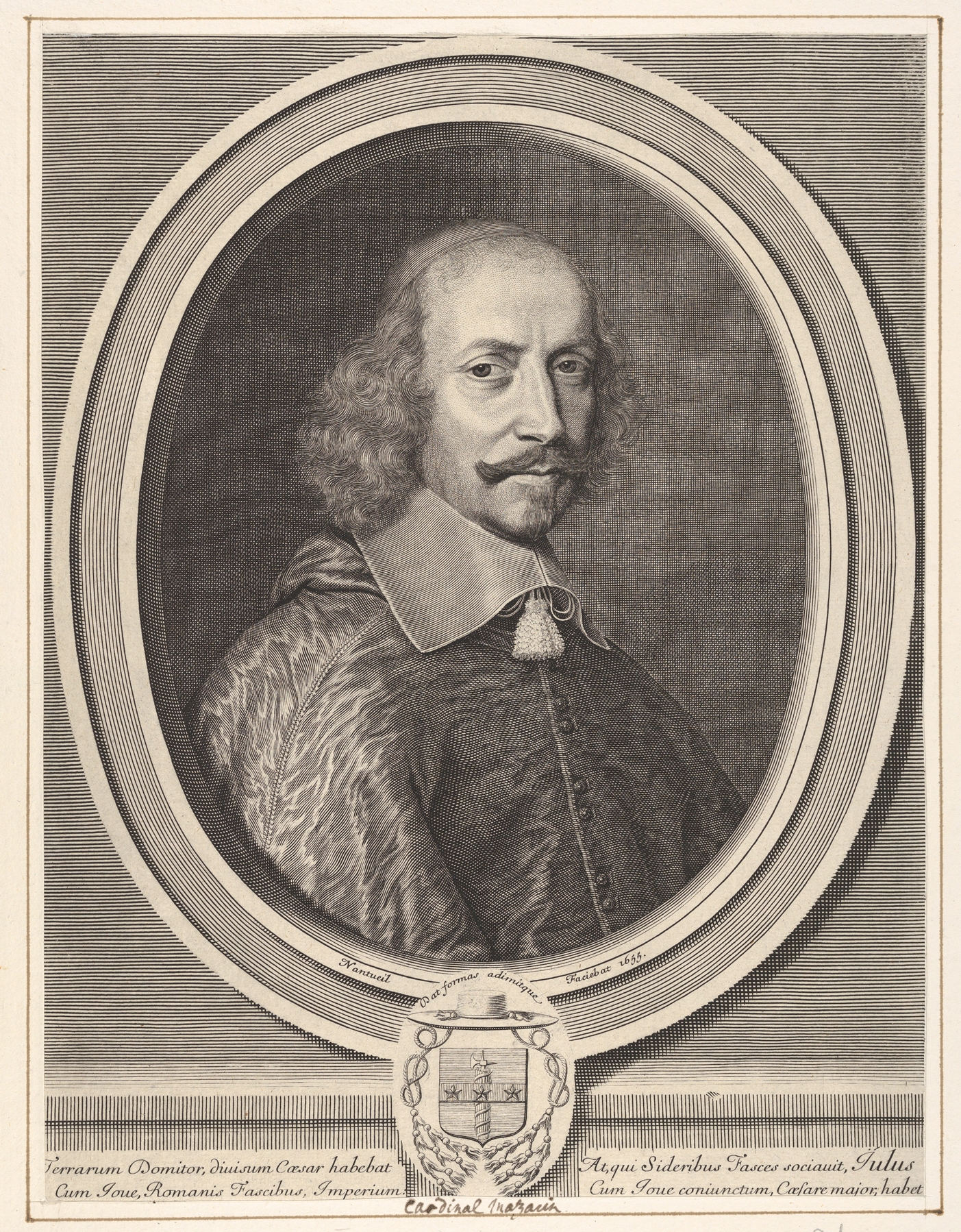
The archive presents an isolated fragment: an engraving of Cardinal Jules Mazarin, specifically the third state of three as catalogued by Petitjean & Wickert. This is not a portrait of a man, but a blueprint of power. The engraving, stripped of color and context, reveals a masterclass in the articulation of authority through textile, posture, and the precise orchestration of line. For the 2026 haute couture silhouette, this artifact is not a historical reference; it is a structural and philosophical guide. We deconstruct its classical elegance to extract a new vocabulary for luxury: one where volume is a declaration of presence, and every line is a deliberate act of control.
Deconstructing the Engraved Line: The Third State as a Study in Precision
The third state of an engraving represents the final, most refined iteration of the plate. In the Mazarin portrait, this translates to a hyper-legibility of form. The cassock, the mozzetta, and the cappa magna are not merely garments; they are architectural zones defined by the burin’s stroke. The line quality itself is the primary material. We observe:
- Contour Lines: The sharp, unbroken outlines of the shoulders and the fall of the fabric create a silhouette of absolute authority. There is no softness, no ambiguity. This informs a 2026 silhouette of decisive geometry—a shoulder line that is not padded, but sculpted through tailored tension, as if the fabric itself were a metal plate.
- Hatching and Cross-Hatching: The rendering of the crimson velvet and ermine is achieved through dense, parallel lines. This is not texture; it is density of statement. For 2026, this translates to tactile opacity. Fabrics like double-faced cashmere, compacted wool crepe, and devoré velvet will be engineered to possess a visual weight that mimics the engraving’s ink saturation. The silhouette will not drape; it will stand.
- The Void: The unengraved areas—the white of the collar, the negative space around the figure—are as crucial as the lines. They create a breath within the composition. In the 2026 silhouette, this becomes the strategic absence: a severe décolleté framed by a high, rigid collar, or a clean, unadorned panel of silk gazar that interrupts a field of intricate pleating.
Materiality as Power: From Ink to Fabric
The engraving’s materiality—the ink on paper, the pressure of the press—dictates a specific relationship between the garment and the body. Mazarin’s power is not expressed through movement, but through static monumentality. The 2026 collection must translate this into haute couture construction.
The Cassock as a Column of Authority: The long, unbroken fall of the cassock in the engraving is a study in verticality. For 2026, this inspires a silhouette of compressed grandeur. A floor-length coat or gown will be cut from a single piece of fabric, its structure maintained not by internal boning, but by the tensile strength of the weave. Think of a micro-herringbone wool or a silk faille with a rigid, paper-like hand. The silhouette is a column, but a column that is internally articulated—seams are not hidden but celebrated as structural ribs, echoing the engraved lines of the cassock’s folds.
The Mozzetta as a Zone of Concentration: The short, shoulder-length cape in the engraving is a concentrated burst of texture and volume. It is the point of maximum visual density. For 2026, this becomes a detachable architectural element. A bolero or a shoulder yoke, crafted from lacquered horsehair or sculpted organza, will sit atop a streamlined base. Its form will be rigid, almost like a piece of armor, its surface engraved with a laser-etched pattern that mimics the cross-hatching of the print. This is not decoration; it is a statement of controlled power.
The Cappa Magna as a Study in Volume and Restraint: The vast train of the cappa magna is the ultimate expression of aristocratic space. In the engraving, its folds are rendered with a sense of controlled chaos—they are voluminous but never formless. For 2026, this inspires a silhouette of asymmetric volume. A single, exaggerated sleeve, or a train that sweeps from one hip, will be constructed from a fabric that holds its shape: a double-faced satin or a structured tulle that is pleated and set with heat. The volume is not soft; it is architectural, a deliberate intrusion into the wearer’s personal space, echoing the cardinal’s political dominion.
The 2026 Silhouette: A Lexicon of Controlled Grandeur
From this isolated archaeological fragment, we derive three distinct silhouette archetypes for the Natalie Fashion Atelier 2026 haute couture collection, each a direct translation of the engraving’s principles.
Archetype One: The Cassock Column Silhouette: A floor-length, narrow column, devoid of waist definition. The fabric is a heavy, matte silk crepe in a deep, ink-black or cardinal-crimson. The construction is seamless in appearance, with internal seams acting as structural lines, mimicking the engraving’s contour. The neckline is a high, mandarin collar, and the only ornamentation is a single, rigid brooch at the throat, crafted from blackened silver and jet, echoing the engraved line’s sharpness.
Archetype Two: The Mozzetta Armature Silhouette: A streamlined, body-conscious base (a sheath dress or slim trousers and a top) overlaid with a sculptural, detachable shoulder piece. The base is in a fluid, matte jersey. The armature is in lacquered horsehair or molded leather, its surface etched with a geometric, cross-hatched pattern that is a direct digital translation of the engraving’s hatching. The armature is a zone of pure power, a visual exclamation point.
Archetype Three: The Asymmetric Cappa Silhouette: A dress or coat with a single, exaggerated volume on one side—a dramatic puff sleeve or a sweeping, asymmetrical train. The opposite side is severely minimal, almost architectural. The fabric for the volume is a structured tulle or organza, pleated and heat-set to create a rigid, petrified effect. The asymmetry is not whimsical; it is a deliberate imbalance of power, a visual representation of the cardinal’s singular authority.
Conclusion: The Engraving as a Generative Force
The third state of the Mazarin engraving is not a document of the past. It is a generative algorithm for the future of luxury. It teaches us that true elegance is not about softness or ease, but about absolute control over material and form. The 2026 silhouette from Natalie Fashion Atelier will not reference the 17th century. It will inhabit its logic: the logic of the engraved line, the logic of the column, the logic of the armature. The result is a couture that is not nostalgic, but archeological in its precision and imperial in its presence. It is power, rendered in fabric and thread, for the modern sovereign.