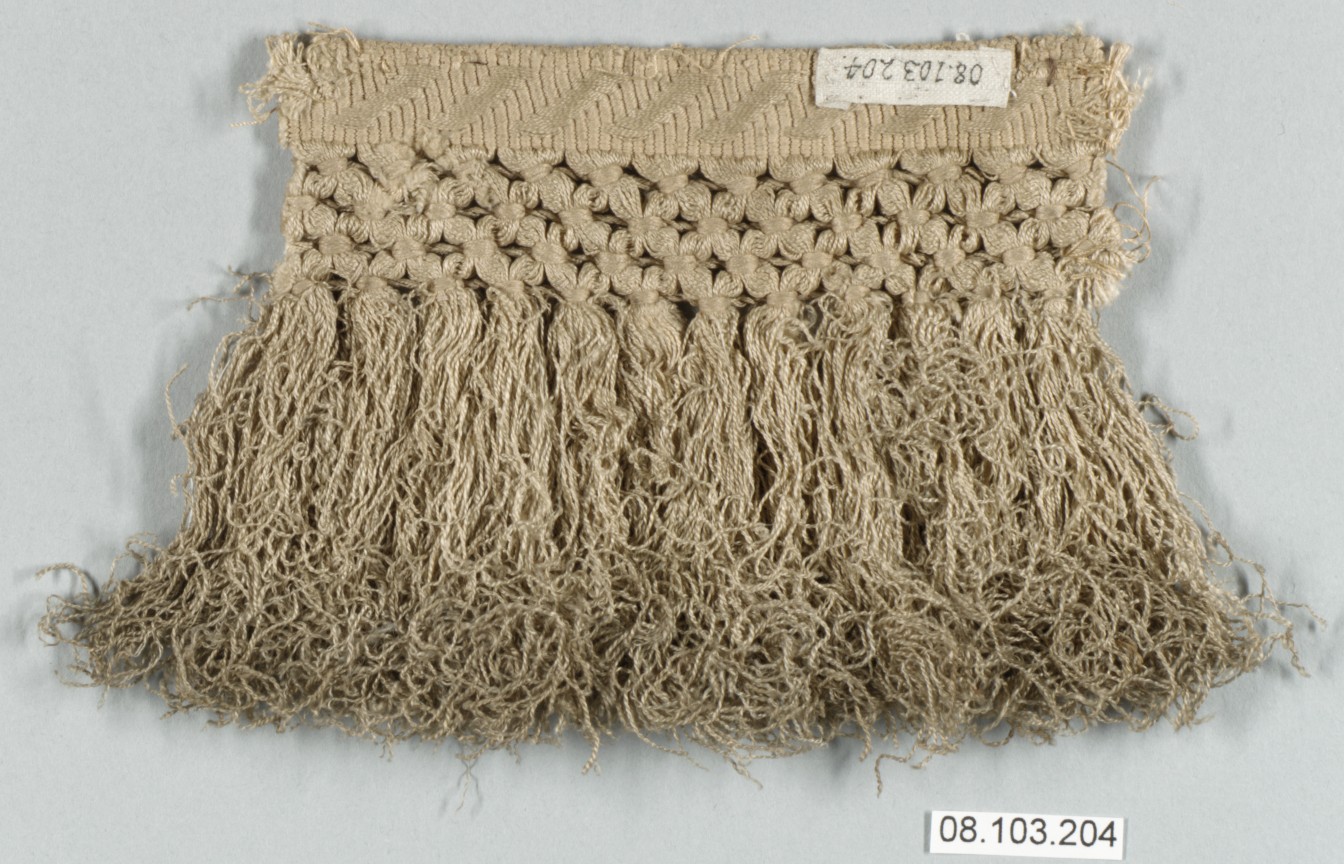
Silk Fringe: An Archaeological Deconstruction of Classical Elegance for 2026 High-End Silhouettes
At Natalie Fashion Atelier, the practice of aesthetic archaeology demands a rigorous excavation of historical masterpieces, not as mere inspiration, but as foundational texts for material innovation. Within the global heritage of fringe, silk emerges as the paramount fiber—a conduit of light, movement, and structural paradox. This research artifact deconstructs the classical elegance of silk fringe across three distinct historical epochs: the Byzantine ecclesiastical tradition, the Jazz Age flapper movement, and the Japanese Noh theatre. By isolating these archaeological fragments, we articulate a precise materiality that informs the 2026 luxury silhouette, transforming fringe from decorative trim into a primary architectural element.
Byzantine Silk Fringe: The Liturgical Weight of Elegance
The first archaeological stratum is the 6th-century Byzantine Empire, where silk fringe was not an adornment but a signifier of divine authority. In the Hagia Sophia and the Basilica of San Vitale, imperial vestments and altar cloths featured heavy, knotted silk fringes—often in Tyrian purple and gold-threaded silk—that served as a physical anchor. The fringe was meticulously constructed using a double-knot technique, creating a dense, weighted perimeter that controlled the drape of the entire garment. This was not frivolous; it was a structural counterbalance. The silk, sourced from the Sericulture of the Levant, possessed a unique tensile strength and a subtle, matte luster that absorbed rather than reflected light, conferring a somber, monumental elegance.
For the 2026 silhouette, this archaeological insight informs a new category: “Liturgical Volumes.” We propose a floor-length, columnar gown in raw silk taffeta, where a dense, hand-knotted silk fringe—dyed in ink-black and oxidized silver—is applied along the hem and the interior seams of the sleeves. This fringe is not merely decorative; it is a weighted architectural device. It pulls the fabric downward, creating a gravity-defying stillness that mimics the static grandeur of a Byzantine mosaic. The fringe’s density (approximately 40 knots per linear inch) ensures that the garment retains its silhouette even in motion, offering a controlled fluidity that is both regal and modern. The 2026 client wears this not as a costume, but as a sculptural second skin, where the fringe’s historical gravitas is translated into a contemporary language of power and restraint.
Jazz Age Silk Fringe: The Kinetic Cascade of the Flapper
The second archaeological fragment is the 1920s flapper dress, specifically the creations of Madeleine Vionnet and Jeanne Lanvin. Here, silk fringe—often in georgette and charmeuse—was liberated from its liturgical weight to become a kinetic instrument. The fringe was cut on the bias, using a single-strand, unknotted technique that allowed each filament to move independently. This created a waterfall effect of light and shadow, a visual rhythm that responded to the Charleston and the tango. The silk was often hand-dyed in gradient ombré, from pale champagne to deep amber, mimicking the glow of gaslight on a dance floor. The fringe was not weighted; it was airborne, a celebration of ephemeral movement.
For 2026, we deconstruct this kinetic heritage into a “Liquid Architecture” silhouette. The key innovation is a high-neck, sleeveless sheath constructed from double-faced silk satin, where the fringe is applied in asymmetric, descending tiers. The fringe itself is a hybrid: the top tier uses a fine, 2-millimeter silk thread (unknotted) for a whisper-light cascade, while the bottom tier employs a 4-millimeter, loosely twisted silk cord (knotted at the base) for a heavier, more deliberate swing. This creates a gradient of motion—from ethereal flutter to grounded sway—that mirrors the jazz age’s tension between freedom and restraint. The 2026 silhouette is not static; it is a performance garment for the modern woman who commands the room through movement. The fringe’s materiality—its lustrous, liquid hand—is engineered to catch LED gallery lighting, creating a digital-age shimmer that recalls the flapper’s gaslight glow but with a contemporary, almost holographic precision.
Japanese Noh Silk Fringe: The Minimalist Tension of the Sublime
The third archaeological stratum is the 15th-century Japanese Noh theatre, where silk fringe appears on the kariginu (hunting robe) and the nōshi (ceremonial cloak). Here, fringe is not abundant but strategically minimal. It is often a single layer of raw silk, hand-twisted into a subtle, irregular fringe along the hem and the sleeve edges. This fringe is unpolished, retaining the natural irregularities of the silk fiber—a deliberate aesthetic of wabi-sabi. The fringe’s function is not decorative but acoustic and tactile: it whispers against the tatami mats, it catches the light in a slow, deliberate rhythm, and it marks the passage of the actor with a sonic signature of silk on silk. The elegance lies in its restraint—every strand is a deliberate, meditative choice.
For the 2026 silhouette, this minimalist tension informs a “Zen Deconstruction” approach. We propose a cocoon-shaped coat in hand-loomed silk noil, a fabric with a nubby, matte texture that absorbs light. The fringe is applied as a single, continuous line along the interior edge of the coat’s back seam, visible only when the garment is in motion or when the wearer turns. This fringe is individually hand-twisted from undyed, natural ecru silk, with each strand varying in thickness (from 1 to 3 millimeters) to create an organic, imperfect rhythm. The fringe does not flutter; it sighs. It is a whisper of movement that contradicts the coat’s substantial volume. The 2026 silhouette is a study in negative space—the fringe defines the void, the silence between gestures. This is the ultimate luxury: invisible opulence that reveals itself only to the discerning eye.
Synthesis: The 2026 Silhouette as Archaeological Palimpsest
The 2026 luxury silhouette at Natalie Fashion Atelier is not a single garment but a palimpsest—a layering of these three archaeological fragments. The Byzantine weight provides the structural anchor, the Jazz Age kineticism provides the dynamic flow, and the Noh minimalism provides the meditative restraint. The silk itself is the unifying material, chosen for its chameleonic properties: it can be heavy or light, matte or lustrous, structured or fluid, depending on the twist, the knot, and the density.
Our 2026 collection, “Fringe: The Archaeology of Motion,” will feature three archetypal silhouettes:
1. The Liturgical Column (Byzantine): A floor-length gown in black silk taffeta with a dense, knotted fringe hem that anchors the silhouette, creating a static, monumental elegance.
2. The Liquid Sheath (Jazz Age): A high-neck, sleeveless dress in double-faced silk satin with tiered, gradient fringe that cascades in a controlled, kinetic waterfall.
3. The Zen Cocoon (Noh): A cocoon coat in hand-loomed silk noil with a single, interior line of hand-twisted, uneven fringe that whispers against the body.
Each silhouette is a technical artifact—a synthesis of historical craftsmanship and 2026 material innovation. The fringe is no longer an afterthought; it is the primary architect of the garment’s volume, movement, and meaning. This is the new classical elegance: not a revival, but a re-engineering of history through the lens of silk and the precision of aesthetic archaeology.