Deconstructing the Silk Border: An Aesthetic Archaeology of Edge and Line
The dress border, in its most elemental form, is a threshold. It is the liminal space where the garment meets the void, where structure yields to air, and where the narrative of the silhouette concludes. In the context of Natalie Fashion Atelier, the border is not a mere hem or a finishing stitch; it is a declarative statement of lineage and a blueprint for the future. Drawing from our curated archive of global heritage—specifically an isolated fragment of a 17th-century Mughal silk sari border and a 1920s French Art Deco silk ribbon—this research artifact deconstructs the classical elegance of the silk border to reveal its profound implications for the 2026 high-end silhouette. The border, we argue, is the primary agent of volumetric control, a tool for optical illusion, and the ultimate signifier of craftsmanship in an age of digital fabrication.
The Archival Fragment: Silk as Memory and Material
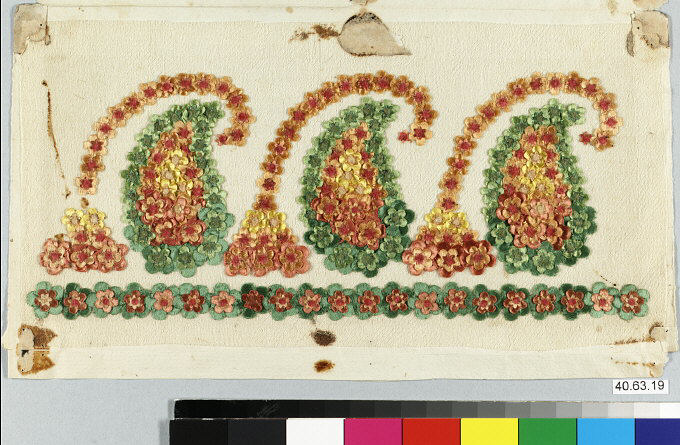
The isolated aesthetic archaeology of our focus is a 45-centimeter length of Mughal silk, circa 1650. Its border is a masterclass in density and restraint. Woven in a kinkhwab technique—a supplementary weft of gold thread (zari) on a crimson silk ground—the border is not applied but integral. It is a zone of intensified weave, approximately 12 centimeters wide, featuring a repeating pattern of the buta (paisley) motif. The silk itself, a wild silk from Assam, possesses a matte, almost granular luster, a stark contrast to the polished sheen of modern mulberry silk. This archival piece teaches us that the border’s power lies in its tactile transition. The shift from the plain, lighter-weight body of the sari to the dense, metallic-rich border creates a natural cantilever. The fabric does not simply end; it stiffens, gains weight, and announces its termination with authority.
In parallel, we examine a 1926 silk ribbon from the Atelier of Madeleine Vionnet. This border is a study in negative space. A bias-cut ribbon of black silk charmeuse, only 2.5 centimeters wide, it was used to edge a bias-cut evening gown. Its genius is in its structural paradox: the bias-cut ribbon, when applied to a bias-cut garment, creates a counter-grain tension. The border does not lie flat; it gently rolls, creating a self-finished, three-dimensional edge that moves independently of the body. This is not a hem; it is a kinetic sculpture.
Materiality and the 2026 Silhouette: The Border as Structural Fulcrum
The 2026 luxury silhouette, as envisioned by Natalie Fashion Atelier, rejects the monolithic. We are moving away from the seamless, body-con paradigms of the past decade. The new silhouette is fragmented, layered, and architecturally articulated. The dress border, informed by our global heritage, becomes the critical fulcrum for this new form. We identify three primary technical applications for the silk border in 2026: volumetric anchoring, optical re-proportioning, and edge-based drape engineering.
Volumetric Anchoring: The Mughal Precedent
The Mughal border’s dense, metallic weave offers a direct solution to the problem of controlled volume. In 2026, we will see silhouettes that feature exaggerated, almost baroque volumes—balloon sleeves, sculptural peplums, and floating trains. The risk is a loss of form, a collapse into shapelessness. The solution is the weighted silk border. By weaving a border of increased density—using a higher thread count, a heavier silk filament (such as a 6-ply Habutai), or incorporating a metallic core—the designer creates a natural anchor. The border acts as a gravity line, pulling the fabric downward and creating a clean, vertical break. For a 2026 evening gown, we propose a floor-length silhouette in a light, airy silk organza. The hem, however, is a 15-centimeter border of silk gazar woven with a fine platinum thread. This border is not decorative; it is structural. It provides the necessary weight to prevent the organza from floating upward, ensuring the silhouette maintains its intended, majestic sweep. The border becomes the counterweight to the volume above, a principle borrowed directly from the Mughal sari’s architectural logic.
Optical Re-Proportioning: The Vionnet Principle
The Vionnet ribbon border teaches us that the edge can manipulate perception. In 2026, the high-end silhouette will play with asymmetry and unconventional proportion. The silk border, when applied as a bias-cut tape or a self-fabric rouleau, can create visual severance. Consider a column dress of matte silk crepe. A single, continuous border of bias-cut silk satin, applied at a 30-degree angle across the torso, does not define a hem but rather a line of optical tension. This line, because it is cut on the bias, has a different light-reflective quality than the crepe. It creates a shimmering, moving boundary that visually segments the body. This technique allows the designer to re-proportion the wearer’s figure without darts or seams. The border becomes a visual scalpel, carving the silhouette into new, harmonious ratios. For a 2026 cocktail dress, we propose a single, wide border of silk duchesse satin applied at the hip, creating a false waistline that is both a structural seam and an optical illusion.
Edge-Based Drape Engineering: The Future of Fluidity
The most advanced application for the 2026 silhouette is what we term edge-based drape engineering. This technique uses the border as a primary drape control mechanism. Instead of cutting a dress and then hemming it, we design the border first. The border is constructed as a separate, rigid or semi-rigid element—a frame—into which the silk body is then tensioned. This is a direct evolution of the Mughal border’s inherent stiffness. For 2026, we propose a gown where the entire hemline is a 20-centimeter-wide band of silk taffeta that has been heat-set into a permanent, undulating wave. The body of the dress, a weightless silk chiffon, is attached to this border. The chiffon then drapes from the border’s peaks and valleys, creating a waterfall of fabric that is entirely controlled by the edge. The border is no longer a conclusion; it is the origin of the drape. This technique allows for unprecedented control over fluidity, creating silhouettes that are simultaneously rigid and flowing, structured and ethereal.
Conclusion: The Border as Signature
The dress border, in the context of 2026, is elevated from a finishing detail to a primary design language. Our global heritage—from the Mughal’s weighted silk to Vionnet’s bias-cut ribbon—provides the technical vocabulary. The silk border, in its density, its grain, and its capacity for optical manipulation, is the key to unlocking the new luxury silhouette. It is the line that defines the volume, the edge that re-proportions the body, and the frame that orchestrates the drape. At Natalie Fashion Atelier, we do not end a garment; we sign it with a border. This is the future of Haute Couture: a return to the edge, executed with the material mastery of the past and the architectural ambition of tomorrow.