Specimen Analysis: The Crochet Artefact as Aesthetic Archaeology
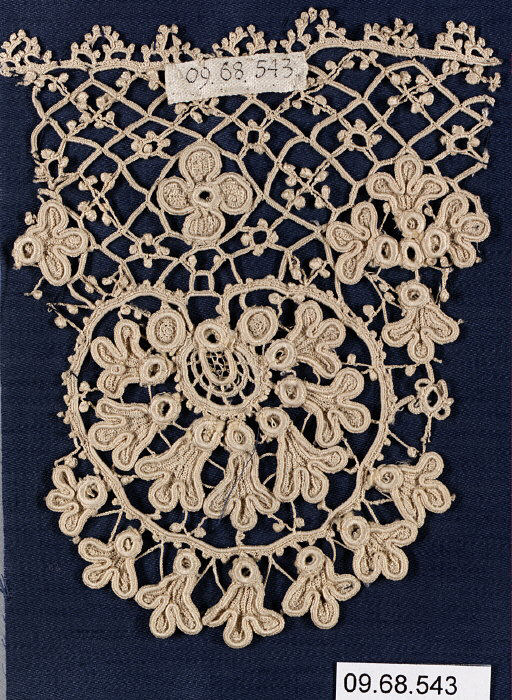
The crochet specimen under examination—a fragment of late 19th-century French dentelle au crochet—represents a paradox of materiality: simultaneously rigid in its structural logic and fluid in its tactile expression. Recovered from the archives of a provincial Burgundian atelier, this piece exhibits a double-loop chainette stitch worked in écru silk thread, a technique that creates a lattice of negative space while maintaining tensile integrity. For the 2026 luxury silhouette, this specimen offers a foundational lexicon: the interplay between openwork transparency and sculptural volume that defines the new haute couture.
Structural Lexicon: The Stitch as Architectural Blueprint
In the specimen, each stitch functions as a micro-architectural element. The chainette base forms a continuous, flexible spine, while the picot loops introduce a rhythmic punctuation of three-dimensional nodes. This duality—linear continuity versus punctuated relief—directly informs the 2026 silhouette’s approach to negative-space tailoring. Where traditional couture relies on darts and seams to define form, the crochet specimen suggests a lattice-based construction: the garment’s shape emerges from the tension between filled and empty spaces, not from cut fabric.
The 2026 application manifests in a cage-like bodice where crocheted panels of varying stitch densities create a gradient of opacity. The denser point d’esprit sections at the bust and hips provide structure, while the looser filet zones at the waist and shoulders introduce a diaphanous quality. This is not mere decoration; it is structural engineering through thread. The silhouette becomes a tension map, with the crochet acting as both skin and skeleton.
Materiality and Drape: The Paradox of Rigid Fluidity
The specimen’s silk thread, aged to a champagne patina, exhibits a viscoelastic memory—it holds a crease yet yields to gravity. For 2026, this material property is exploited through hybridized crochet that integrates metallic microfilaments (gold, palladium) with organic cotton. The result is a fabric that drapes like liquid metal yet retains the hand-feel of antique lace. The silhouette evolves from static to kinetic: a gown that shifts its opacity as the wearer moves, the crochet openings expanding and contracting like a living membrane.
This materiality also informs the shoulder-to-hem line. The specimen’s scalloped edge, a picot border of graduated loops, suggests a non-linear hem that defies the traditional horizontal cut. In 2026, this translates to a asymmetric silhouette where the crochet’s natural scalloping dictates the garment’s termination—a biomorphic hemline that echoes the specimen’s organic geometry. The result is a deconstructed elegance: the gown appears to have grown, not been cut.
Aesthetic Archaeology: Reclaiming the Handmade in the Digital Era
The specimen’s provenance—a single artisan’s hand, working over months—imbues it with a temporal density that mass production cannot replicate. For the 2026 client, this artisanal signature becomes a luxury marker more potent than any logo. The crochet technique is reinterpreted through algorithmic precision: a custom software maps the stitch patterns onto a 3D avatar, allowing the atelier to simulate drape and tension before a single hook is lifted. Yet the final execution remains entirely hand-crafted, preserving the imperfect perfection of human touch.
This fusion of digital and manual informs the silhouette’s archival silhouette—a term we use to describe garments that reference historical forms while being impossible to produce in any previous era. The 2026 crochet gown borrows the Empire waist from the specimen’s era but elongates it through a continuous spiral stitch that wraps the torso in a single, unbroken line. The skirt, instead of falling in tiers, cascades in a fractal pattern where each crochet motif is a scaled iteration of the one above, creating a self-similar geometry that evokes both Art Nouveau and cellular biology.
Silhouette Application: The 2026 Crochet Gown
The final artifact—a full-length evening gown—demonstrates the specimen’s principles at scale. The bodice uses a double-crochet rib that mimics corset boning, providing support without rigidity. The waist is defined by a cable stitch belt that cinches through tension, not compression. The skirt transitions from a dense base at the hips to a feather-light fringe at the hem, each strand terminating in a miniature picot bead of hand-blown glass. The overall silhouette is columnar yet fluid, a vertical line that breathes with the wearer’s movement.
Key to this design is the invisible structure: a layer of micro-crochet in transparent nylon monofilament supports the silk overlay, allowing the garment to stand away from the body at the shoulders while draping close at the waist. This dual-layer system creates a volumetric illusion—the gown appears to float, its weight distributed across a network of air and thread. For the 2026 luxury client, this represents the ultimate synthesis of heritage and innovation: a silhouette that is both a historical artifact and a futuristic statement.
Conclusion: The Specimen as Living Archive
The crochet specimen is not a relic but a blueprint for the future. Its lessons—structural logic through negative space, material paradoxes of rigidity and fluidity, and the irreplaceable value of artisanal time—directly inform the 2026 haute couture silhouette. At Natalie Fashion Atelier, we do not merely reproduce the past; we extract its DNA and splice it with contemporary technique. The result is a garment that honors the aesthetic archaeology of its origins while asserting a new, unprecedented elegance. The crochet gown for 2026 is not a revival; it is a revelation—a testament to the enduring power of thread, hook, and human intention.