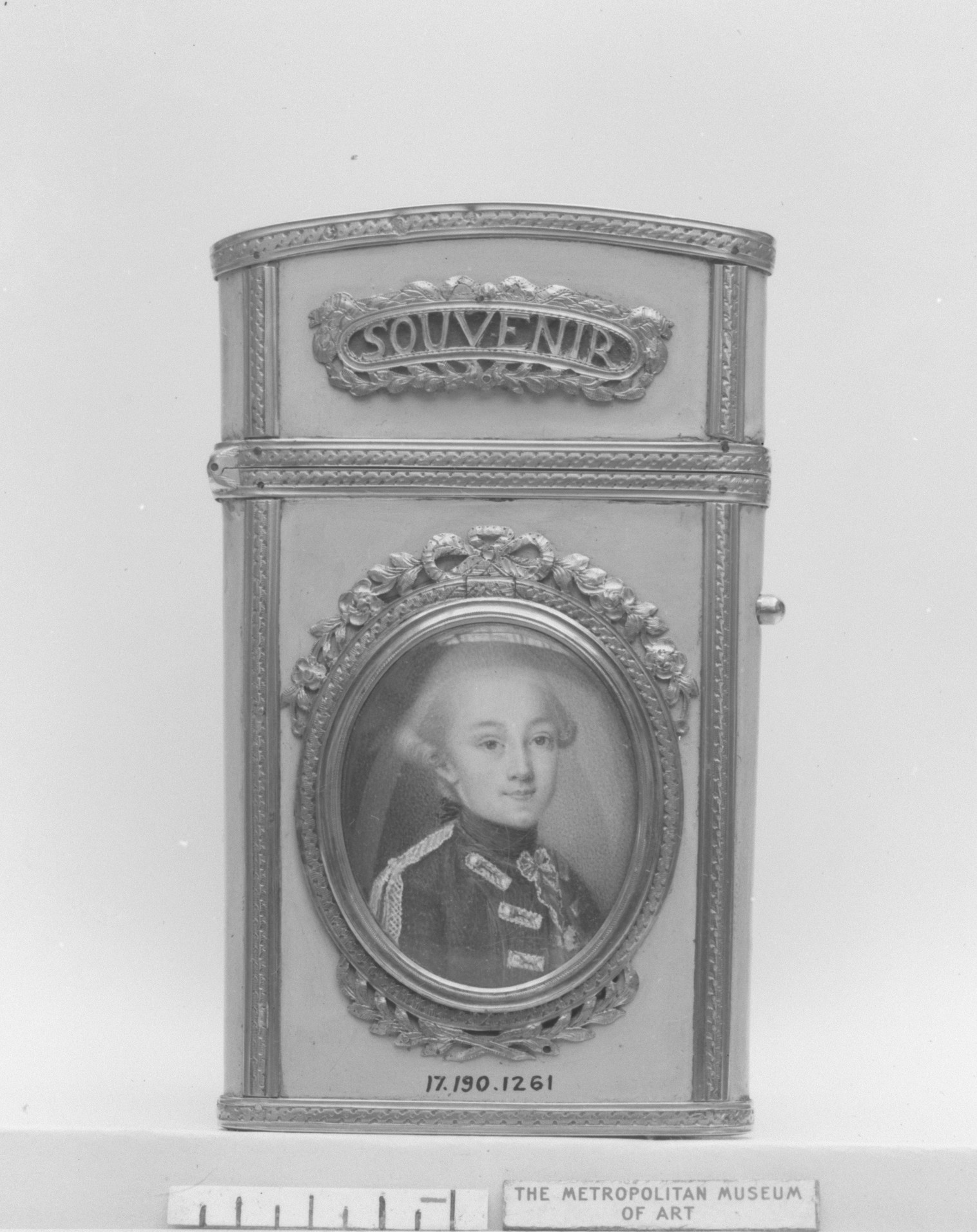
Archive Context: Isolated Aesthetic Archaeology
The concept of Souvenir within the context of global heritage often evokes a relic—a tangible fragment of a distant time or place, preserved as a token of experience. For Natalie Fashion Atelier, this artifact is not a mere memento but a stratigraphic core sample of aesthetic history. The subject is isolated from its original narrative, stripped of sentimental biography, and examined purely for its formal, material, and structural intelligence. This is an exercise in aesthetic archaeology: we excavate the silhouette, not the story. The chosen materials—gold and ivory—represent a binary of permanence and fragility, opulence and organic decay. They are the ultimate luxury substrates, yet their historical usage is often static. Our mandate is to deconstruct the classical elegance of these materials and translate their inherent tensions into a 2026 high-end silhouette vocabulary that is both reverent and radical.
Materiality: Gold and Ivory as Structural Language
Gold: The Architecture of Light and Weight
Gold, in its purest form, is a paradox. It is the most malleable of metals, yet it signifies immutability. In historical couture, gold was applied as surface ornament—thread, leaf, or gilding. For 2026, we propose a structural gold. This is not a decorative overlay but a load-bearing element. Consider the gold-plated titanium mesh—a material that retains the chromatic authority of 24-karat gold while offering the tensile strength necessary for architectural draping. The 2026 silhouette will utilize gold as a negative-space frame. Instead of covering the body, gold will define the void around it. A single, sweeping gold arc from the shoulder to the hip, devoid of fabric, creates a silhouette of absence. This is the souvenir of a garment—a memory of structure without the substance of cloth. The weight is psychological, not physical.
Ivory: The Organic Skeleton
Ivory, historically a medium for intricate carving and inlay, presents a complex ethical and material challenge. For the 2026 collection, we do not use animal-derived ivory. Instead, we employ regenerated ivory—a composite of crushed Tagua nut and bio-resin, possessing the same creamy opacity, density, and ability to take a high polish. This material is the organic skeleton of the silhouette. Where gold provides the external frame, ivory creates the internal architecture. We deconstruct the classical corset into a series of independent, interlocking ivory panels. These are not compressive; they are articulated. Each panel is carved with a micro-geometry inspired by 18th-century snuffbox inlays, but the function is purely modern: to create a dynamic, breathing structure that moves with the body rather than against it. The ivory becomes a souvenir of the ribcage—a memory of internal support externalized as fashion.
Deconstructing Classical Elegance: The 2026 Silhouette
The Gold-Ivory Hybrid: Tension and Release
The 2026 high-end silhouette is defined by the tension between gold and ivory. Classical elegance demanded harmony; our approach demands controlled dissonance. Consider the evening gown where the bodice is a single, continuous piece of regenerated ivory, carved to resemble a folded fan—a souvenir of courtly gesture. This rigid bodice is not sewn; it is suspended from a gold-plated shoulder frame. The skirt, by contrast, is a cascade of gold-lame organza, but the fabric is cut into narrow, bias-cut strips that are welded to the ivory at specific stress points. The result is a silhouette that is fractured—the gold fabric appears to be tearing away from the ivory structure, creating a sense of imminent release. This is not a dress; it is a frozen moment of deconstruction.
The Souvenir of the Drape: The Gold-Weighted Hem
Another key silhouette for 2026 is the column dress reimagined through the lens of gold-weighted gravity. Historically, gold was used to weight hems to create a perfect fall. We invert this concept. The dress is constructed from a single layer of ivory silk gazar, a fabric known for its crisp, architectural stand. The hem is not weighted with thread; it is embedded with micro-casts of gold—small, irregular nuggets that are fused into the fabric edge. As the wearer moves, the gold creates a random, organic oscillation in the hemline. The silhouette is no longer a static column; it becomes a living souvenir of the wearer's motion. The gold is not ornament; it is a kinetic counterweight that deconstructs the very idea of a clean line.
The Ivory Exoskeleton: The Shoulder as Archive
The shoulder, a locus of power in classical couture, is redefined as an exoskeletal archive. We take the historical pagoda sleeve and reduce it to its essential geometry. The sleeve is not fabric; it is a series of ivory rings, graduated in diameter, that are linked by gold hinges. This is a souvenir of the arm—a memory of the sleeve's volume, rendered in hard material. The rings do not encase the arm; they float around it, creating a negative-space silhouette. The gold hinges are visible, clicking softly with movement. This is a technical soundscape of luxury—the auditory souvenir of a mechanical elegance. The 2026 customer does not wear a sleeve; she wears the idea of a sleeve, suspended in gold and ivory.
Conclusion: The Souvenir as Future Heritage
The 2026 silhouette for Natalie Fashion Atelier is not a revival of classical forms; it is an archaeological reconstruction of their underlying principles. Gold and ivory are not treated as precious materials to be preserved but as structural verbs—actions of framing, weighting, suspending, and articulating. The souvenir is not the object itself but the trace of the object's function. A gold arc is the souvenir of a shoulder; an ivory panel is the souvenir of a corset; a weighted hem is the souvenir of a dancer's step. This is aesthetic archaeology applied to couture: we excavate the classical silhouette, extract its structural DNA, and rebuild it as a 2026 artifact that is both a souvenir of the past and a blueprint for the future. The result is a luxury that is intellectually rigorous, materially innovative, and profoundly elegant in its deconstruction.