Bold Satire in the Depths of the Forest: Aesthetic Archaeology and the 2026 Silhouette
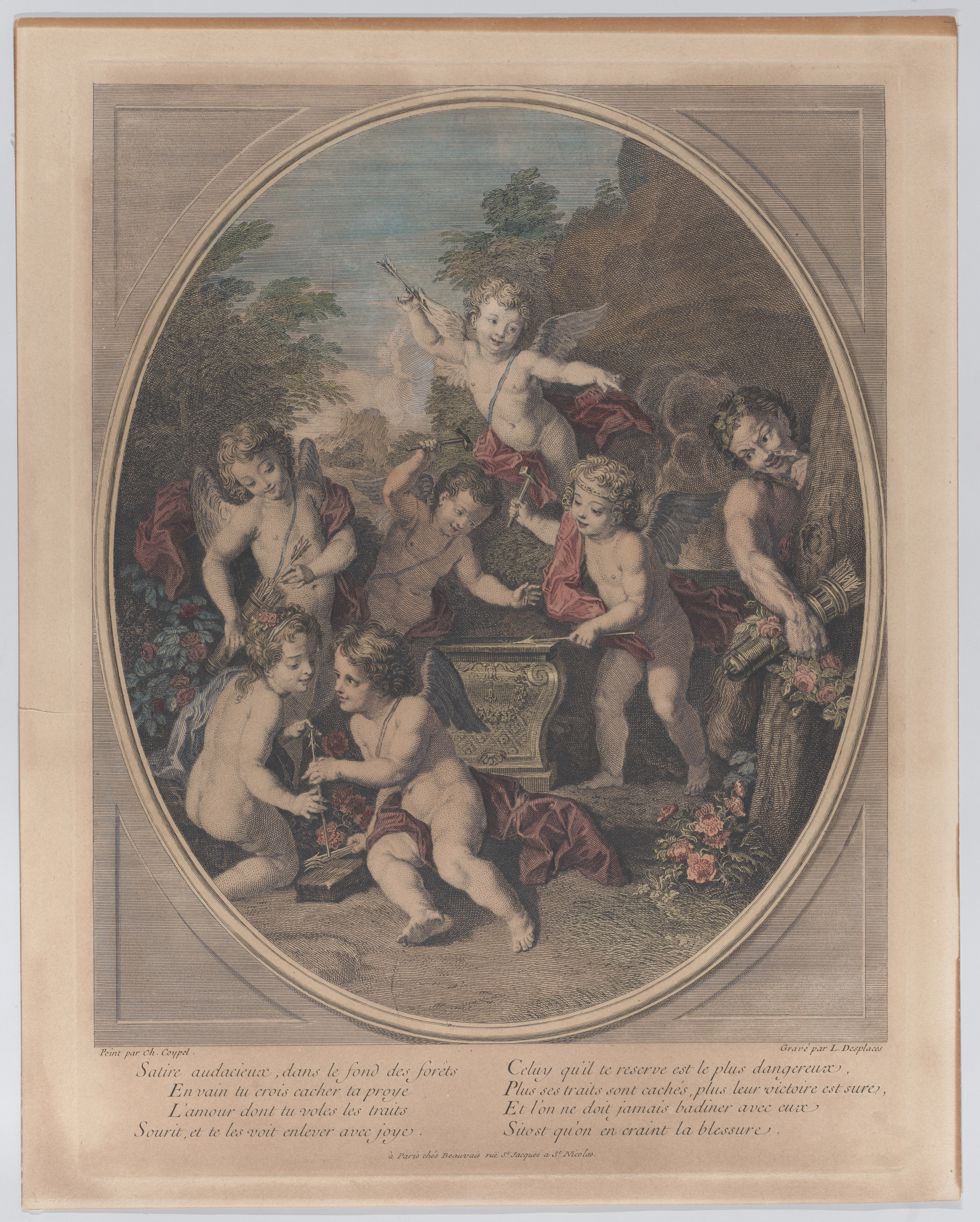
The archive of Natalie Fashion Atelier holds a singular artifact: a hand-colored engraving from the late 18th century, titled Satire audacieux, dans le fond des forêts. This piece, rendered with the precision of a master etcher and the whimsy of a court caricaturist, depicts an aristocratic figure in full court regalia, yet stranded within an impossibly dense, untamed woodland. The figure’s powdered wig is entangled with vines, its silk gown torn by brambles, and its expression one of haughty indifference. This is not a pastoral idyll; it is a visual paradox—a collision of rigid classical elegance and the raw, chaotic force of nature. For the 2026 collection, this engraving serves as a critical lens through which we deconstruct the very notion of classical elegance, transforming its satirical tension into a new, audacious silhouette.
Deconstructing Classical Elegance: The Paradox of the Engraving
Classical elegance, as traditionally defined by the French Haute Couture canon, relies on symmetry, restraint, and the illusion of effortlessness. The grande toilette of the 18th century was a monument to artifice—structured panniers, whalebone corsets, and elaborate coiffures that defied gravity. The hand-colored engraving, however, subverts this. The figure’s gown, while still possessing the architectural volume of the robe à la française, is rendered incomplete. The engraver’s hand has deliberately exaggerated the fraying edges, the misplaced folds, and the asymmetrical draping caused by the forest’s interference. This is not a mistake; it is a satirical commentary on the fragility of constructed order. The classical elegance is not destroyed, but deconstructed—its elements are pulled apart and recontextualized within a wild, untamable environment.
For the 2026 silhouette, this deconstruction manifests as a deliberate rejection of polished perfection. The high-waisted, rigid bodice of the 1790s is reimagined as a soft, asymmetrical corset that appears to be caught mid-drape, as if the forest itself has tugged at the lacing. The pannier volume is not eliminated but fragmented—a single, exaggerated hip puff on one side, balanced by a flat, sculpted panel on the other. This asymmetry is not arbitrary; it is a direct quotation from the engraving’s visual language, where the forest’s branches create an uneven silhouette around the figure. The classical elegance is thus re-coded as a dialogue between control and chaos, order and entropy.
Materiality of the Hand-Colored Engraving: Translating Line and Hue into Fabric
The hand-colored engraving is a medium of extreme precision and deliberate imperfection. The etched line provides the structure—the architectural skeleton of the design. The hand-applied watercolor, however, introduces fluidity, bleeding, and accidental nuance. This duality is the core of the 2026 material strategy. The collection will employ double-faced silk gazar for its ability to hold a sharp, etched line when pleated, yet soften into a painterly drape when released. The hand-embroidered details will mimic the engraver’s cross-hatching: thousands of micro-stitches in matte and lustrous threads, creating a trompe-l’œil effect of shadow and volume.
The color palette is directly lifted from the engraving’s surviving pigments: faded vermillion for the figure’s sash, oxidized verdigris for the forest leaves, and a pale, almost chalky cerulean for the sky visible through the canopy. These are not clean, modern hues; they are aged, patinated colors that speak of time and decay. The application technique is equally archaeological. The color is not printed or dyed uniformly but hand-painted onto the fabric using a resist method, allowing the pigment to bleed at the edges, replicating the watercolor’s organic spread. This creates a garment that appears to have been unearthed from the forest floor, its colors softened by centuries of humidity and shadow.
From Satire to Silhouette: The 2026 High-End Interpretation
The satirical core of the engraving—the mockery of aristocratic pretension—is not lost in translation. For 2026, this translates into a deliberate subversion of luxury signifiers. The classic train of a ball gown is reinterpreted as a detachable, trailing panel that appears to be caught on a branch. The elaborate sleeve of the robe à la française is sliced open and re-laced with raw silk cords, exposing the arm beneath—a nod to the engraving’s torn fabric. The powdered wig becomes a sculptural headpiece of woven horsehair and oxidized silver thread, tangled with dried botanicals and hand-painted leaves.
The silhouette itself is a study in controlled asymmetry. The shoulder line is exaggerated on one side, with a padded, architectural sleeve that references the engraving’s voluminous court attire. The opposite shoulder is bare, the fabric cut away to reveal a sculpted leather harness that echoes the forest’s vines. The waist is cinched with a wide, hand-tooled belt that features a satirical cameo—a miniature enamel portrait of a courtier with a monkey’s face. This is the audacity of the engraving made wearable: a commentary on the absurdity of absolute refinement.
Construction and Craftsmanship: The Archaeology of the Garment
The construction process for the 2026 silhouette is as much an archaeological excavation as a couture technique. Each garment begins with a toile that is deliberately distressed, torn, and reassembled, creating a palimpsest of seams. The final fabric is then cut to follow these archaeological lines, with visible hand-stitched repairs in contrasting threads—a technique called kintsugi applied to couture. The internal structure is left partially exposed, with boning channels visible through sheer panels, and raw edges left unfinished, as if the garment is still being excavated from the earth.
The hand-colored engraving is not merely a reference but a literal pattern. Select panels of the gown are printed with a photogravure of the original engraving, then hand-colored by the atelier’s artisans. This creates a narrative surface—the wearer becomes a walking archive, a living artifact of the satirical forest. The hemline is uneven, mimicking the engraving’s ground line, with frayed edges that reveal a hidden layer of metallic thread—a wink to the gilded aristocracy that the engraving mocks.
Conclusion: The Audacious Forest of 2026
The Satire audacieux, dans le fond des forêts is not a relic to be reproduced but a provocation to be interrogated. For Natalie Fashion Atelier, the 2026 silhouette is a deconstructed monument to classical elegance, rebuilt from the fragments of satire, decay, and wild nature. The hand-colored engraving informs every stitch, every hue, and every asymmetry, creating a collection that is both a technical tour de force and a philosophical statement. The forest has claimed the courtier, and from that collision, a new, audacious elegance emerges—one that embraces imperfection, history, and the boldness of satire. This is the future of luxury: not pristine, but archaeologically rich; not symmetrical, but poetically fractured; not classical, but classically subversive.